
What tools are needed for effective MC4 connector testing?
Testing MC4 connectors is a critical step in ensuring the reliability and efficiency of solar photovoltaic systems. These connectors, which are integral to the proper functioning of solar panels, require precise testing to maintain optimal performance and prevent potential issues. To conduct effective MC4 connector testing, having the right tools is essential, as they enable accurate assessment and maintenance of these pivotal components.
Understanding the specific tools required for MC4 connector testing can streamline the process and enhance the safety and longevity of solar installations. With the appropriate equipment, you can ensure that your solar systems are functioning at their best, providing reliable energy output.
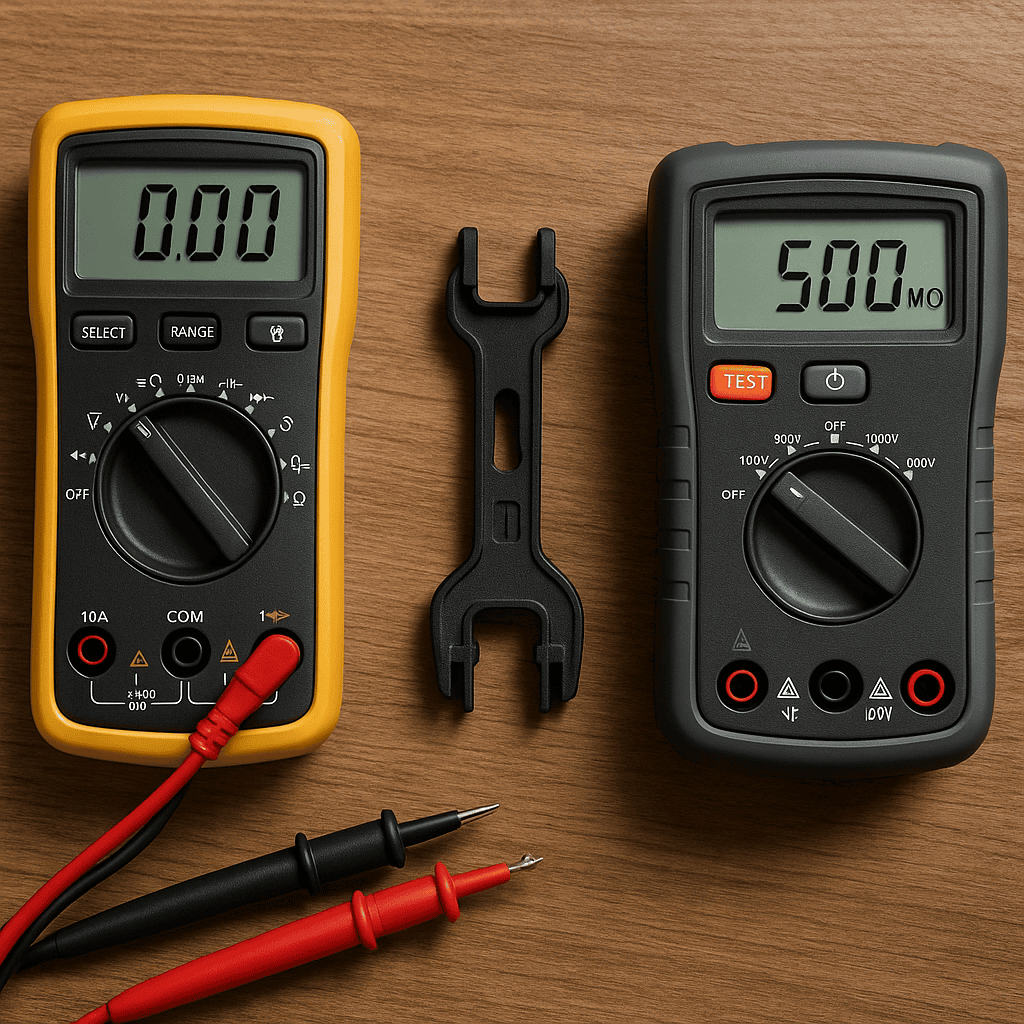
One of the primary tools needed for effective MC4 connector testing is a multimeter. This versatile device measures voltage, current, and resistance, enabling you to verify the electrical performance of the connectors. By using a multimeter, you can quickly identify any discrepancies or faults in the connectors, ensuring they meet the necessary standards for safe operation.
In addition to a multimeter, an insulation resistance tester is also crucial. This tool assesses the insulation quality of the connectors, which is vital for preventing electrical leakage and ensuring safety. An insulation resistance tester helps detect any deterioration in the insulation, allowing for timely corrective measures.
Lastly, a solar connector wrench is indispensable for securely tightening and loosening MC4 connectors without damaging them. Properly secured connections are essential for maintaining the integrity and efficiency of the solar system. By using a solar connector wrench, you can ensure that the connectors are correctly fastened, reducing the risk of potential faults or failures.