
How do weather conditions in my area affect solar panel efficiency?
Understanding the impact of weather conditions on solar panel efficiency is crucial for anyone considering or currently using solar energy. Solar panels rely on sunlight to generate electricity, but various weather elements can influence their overall performance. It’s important to consider how factors such as cloud cover, temperature, and seasonal changes might affect energy output in your specific location.
While sunshine is undoubtedly the most critical factor, it’s not the only one that matters. Surprisingly, solar panels can still function effectively on cloudy days, albeit with reduced efficiency. Conversely, extremely hot temperatures might actually decrease their performance. By understanding these dynamics, you can make informed decisions about solar panel installation and maintenance, ensuring optimal energy production throughout the year.
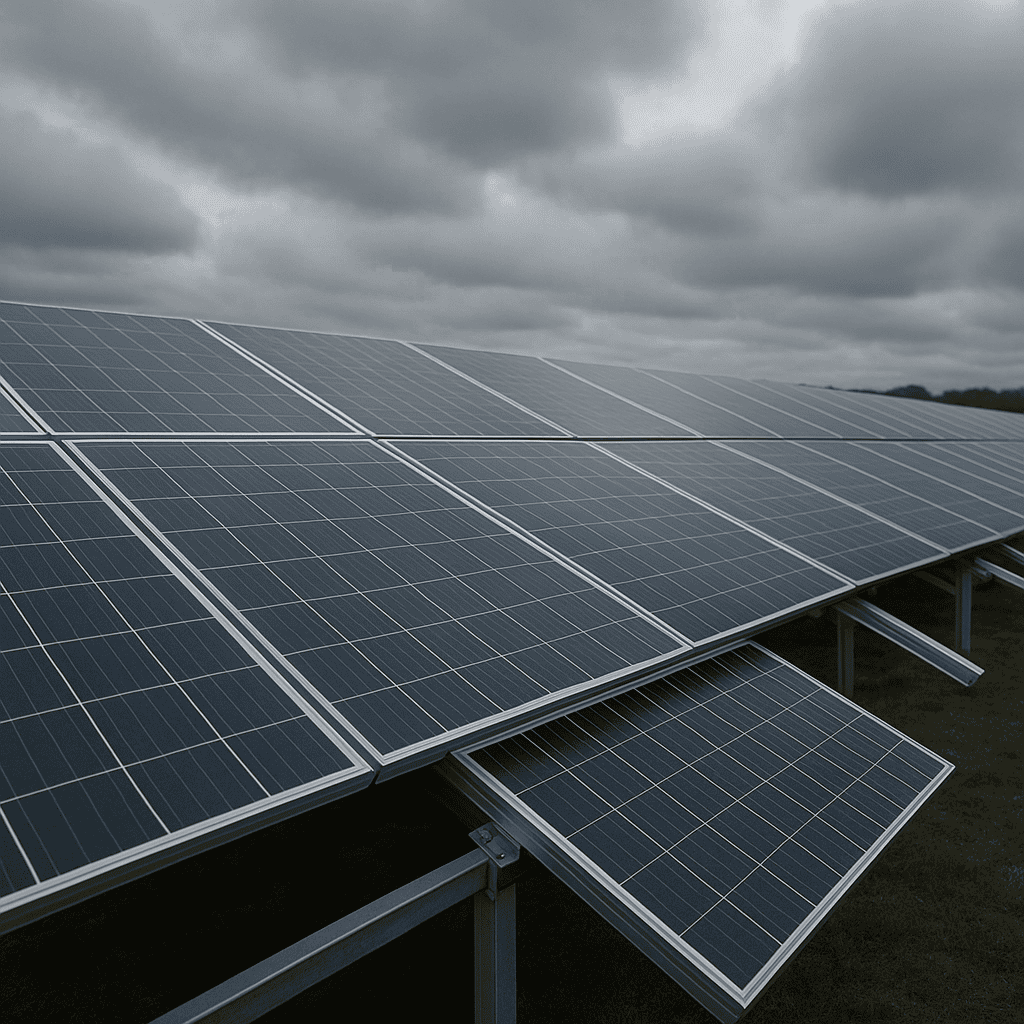
Cloud cover can significantly impact the efficiency of solar panels. While they still generate electricity on overcast days, the energy output is reduced due to the diminished intensity of sunlight. In regions with frequent cloudy weather, it’s essential to consider this variability when estimating potential energy production. However, modern solar panels are designed to capture diffuse sunlight, which allows them to continue functioning, albeit at a lower capacity.
Temperature is another crucial factor influencing solar panel performance. Although it may seem counterintuitive, solar panels are more efficient in cooler temperatures. High temperatures can increase the resistance in the electrical circuits within the panels, reducing their efficiency. Therefore, areas with moderate climates may see more consistent energy production compared to extremely hot regions.
Seasonal changes also affect solar panel efficiency. During winter, shorter daylight hours and lower sun angles can result in decreased energy output. However, snow, if present, can reflect sunlight and potentially enhance performance once the panels are clear. Understanding these seasonal variations allows users to anticipate changes in energy production and adjust their energy usage accordingly.