
How do solar panels perform in winter weather conditions?
Solar panels are often associated with sunny, warm weather, but their performance in winter conditions is a common concern for many. The good news is that solar panels can still be highly effective during the colder months. Despite shorter daylight hours and the presence of snow, modern solar technology is designed to harness energy even in less than ideal conditions.
In fact, solar panels can perform efficiently in winter, as they are based on light absorption rather than heat. The cooler temperatures can enhance their efficiency, as panels work better in lower temperatures. The key is to ensure that panels are properly maintained and positioned to maximise their exposure to available sunlight.
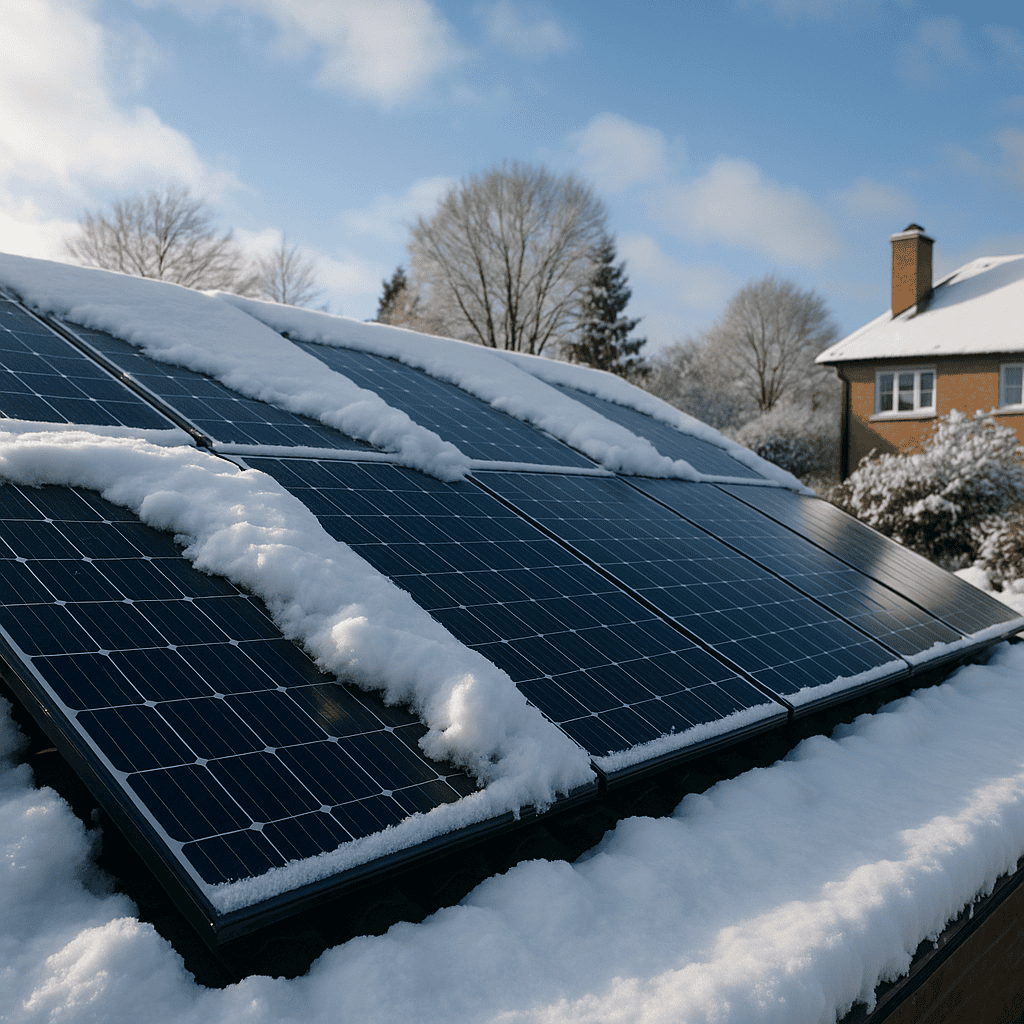
One factor to consider is the impact of snow on solar panels. While snow can temporarily cover panels and block sunlight, it usually slides off due to the panels’ smooth surface and angle. Moreover, the reflection of sunlight off the snow can actually increase the amount of light absorbed by the panels, thereby enhancing performance.
Another important aspect is the shorter daylight hours during winter. Although the days are shorter, solar panels are still capable of generating electricity as long as there is light. It’s crucial to ensure that any potential shading from nearby trees or buildings is minimised to maximise solar exposure during these limited hours.
Finally, regular maintenance is essential to optimise solar panel performance in winter. This includes clearing any debris or snow from the panels and ensuring that the system components are functioning properly. By taking these steps, you can ensure that your solar panels continue to provide efficient energy production throughout the winter months.