
What are the common inverter faults in residential solar systems?
In residential solar systems, inverters play a crucial role in converting the direct current (DC) generated by solar panels into alternating current (AC) used by household appliances. However, like any electrical component, inverters can encounter faults that may affect the efficiency and reliability of your solar energy system. Understanding these common faults can help you identify issues early and ensure your system continues to operate smoothly.
Among the typical inverter faults are issues related to grid connection, overheating, and component failure. These faults can manifest in various ways, such as a sudden drop in energy output or error messages on the inverter’s display. By recognising these signs, homeowners can take timely action, either by troubleshooting minor issues themselves or by seeking professional assistance for more complex problems.
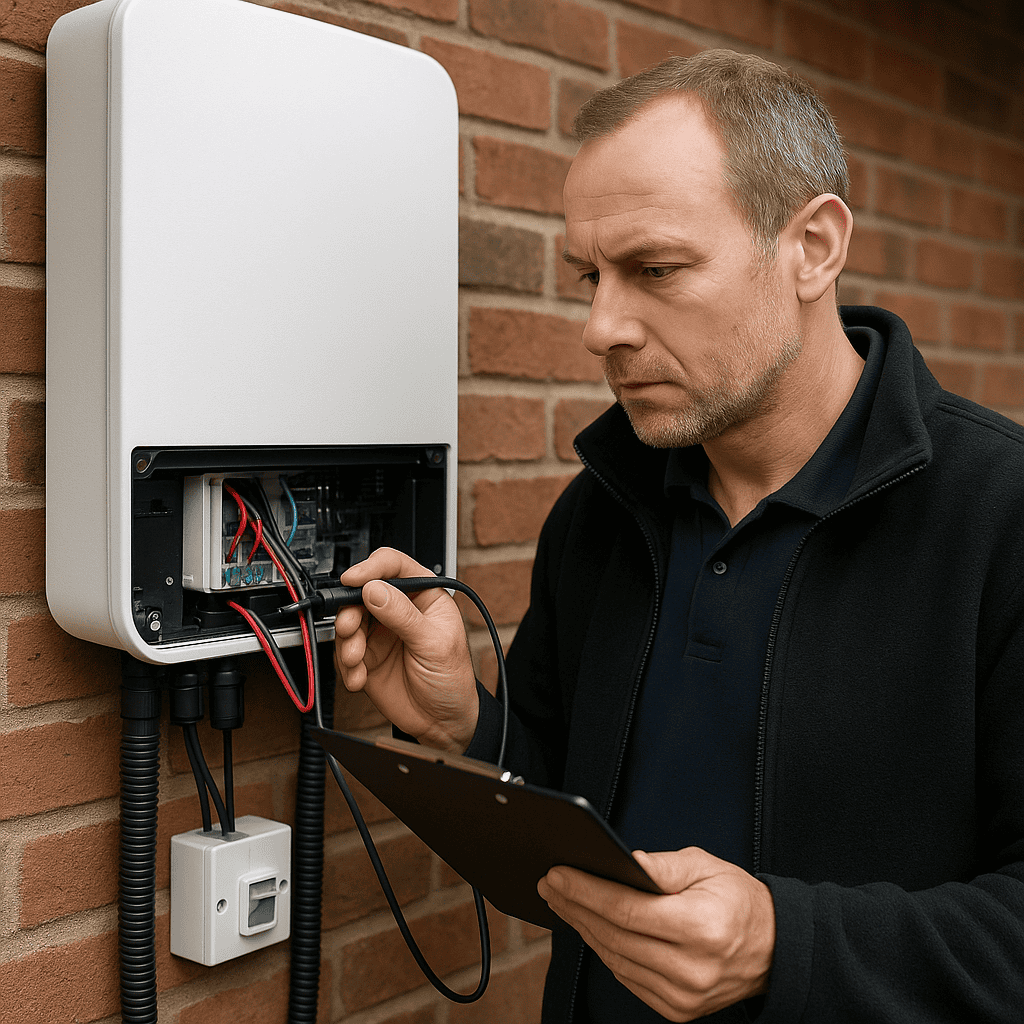
One common fault is grid connection issues, which can occur if there is a disruption in the connection between the inverter and the electrical grid. This may be due to grid outages or fluctuations in voltage levels. In such cases, the inverter may shut down as a protective measure, disrupting the flow of electricity in your home. Regular monitoring and ensuring that your inverter is compatible with the grid can help mitigate these issues.
Overheating is another prevalent problem, often caused by inadequate ventilation or exposure to extreme temperatures. Inverters have a built-in safety mechanism to shut down when overheating occurs, preventing damage. Ensuring that your inverter is installed in a well-ventilated and shaded area can significantly reduce the risk of overheating and prolong the life of your system.
Component failure, such as issues with capacitors or circuit boards, can also lead to inverter faults. These components can degrade over time due to wear and tear or exposure to harsh environmental conditions. Regular maintenance, including periodic inspections and cleaning, can help detect and address potential component failures before they lead to significant system downtime.