
How do different backup power technologies compare for efficiency and cost?
In an ever-evolving energy landscape, selecting the right backup power technology for your home is crucial. As more households embrace electric vehicles and seek reliable energy solutions, understanding the efficiency and cost implications of various technologies becomes paramount. This page aims to provide a concise comparison to help you make an informed decision.
Backup power technologies vary significantly in terms of efficiency and cost. From traditional generators to modern battery storage systems, each option presents unique advantages and challenges. By exploring these differences, you can identify the most suitable solution for your specific energy needs and budget.
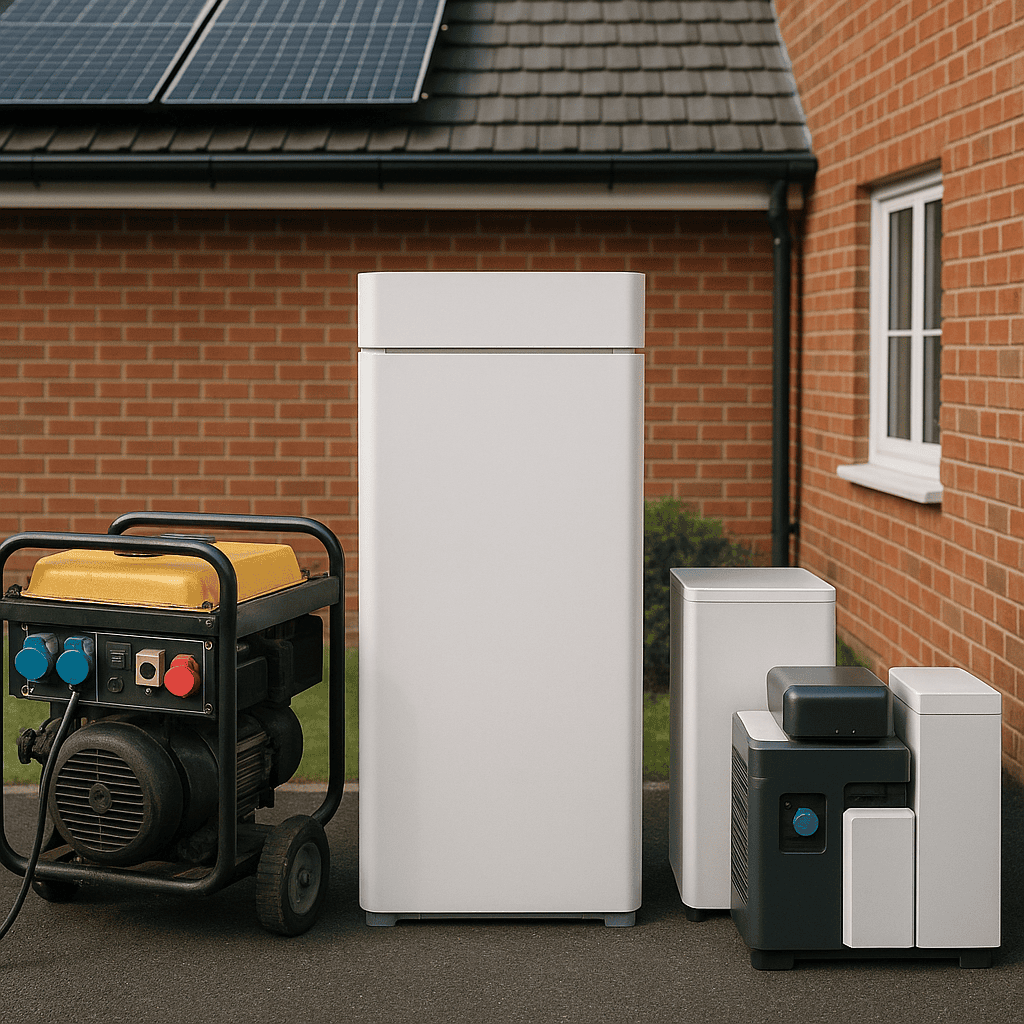
Traditional generators, often powered by diesel or petrol, are typically less efficient but offer a lower initial cost. They provide a reliable source of power during outages but can be noisy and require regular maintenance. Their operational costs can also add up over time due to fuel consumption and upkeep.
Battery storage systems, such as lithium-ion batteries, offer a more efficient and environmentally friendly solution. While they come with a higher initial investment, they have lower ongoing costs and are virtually silent. These systems can seamlessly integrate with solar panels, providing a sustainable energy source that reduces reliance on the grid.
Hybrid systems, combining generators and battery storage, offer a balanced approach. They provide the immediate power supply of a generator with the efficiency of a battery system. This combination can optimise cost and efficiency, making it a versatile choice for those seeking a comprehensive backup power solution.