
Can solar energy completely power my electric vehicle?
As the world shifts towards sustainable energy, the question of whether solar energy can completely power an electric vehicle (EV) is increasingly pertinent. While the concept of harnessing the sun’s power to fuel your transportation is appealing, the feasibility depends on several factors, including your location, the size of your solar setup, and your driving habits.
In many cases, solar energy can significantly contribute to powering your EV, especially if you have a robust solar panel system installed at home. However, relying solely on solar energy to meet all your EV charging needs might not always be practical, particularly in regions with less sunlight or during seasons with shorter daylight hours.
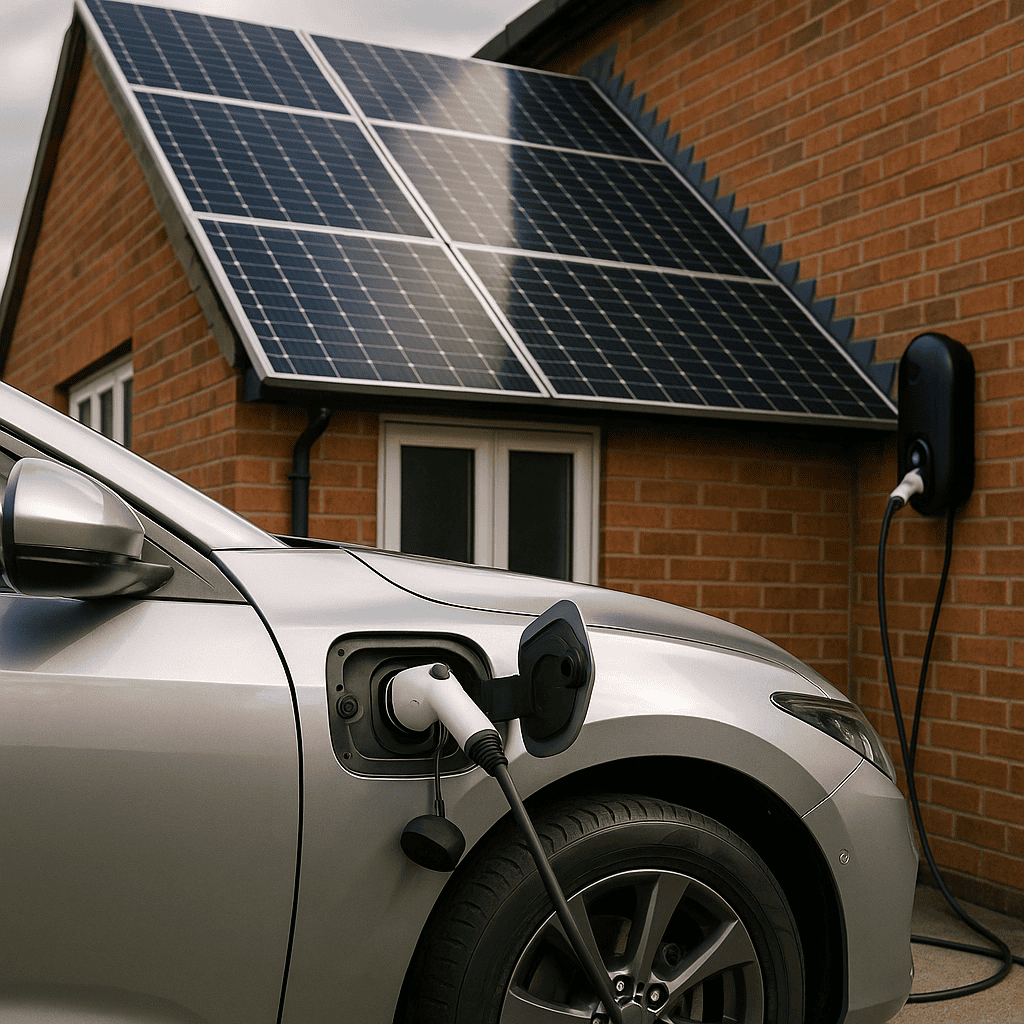
To begin with, the efficiency of solar energy in charging your EV largely depends on the capacity of your solar panel system. A typical residential solar setup may not generate enough electricity to fully charge an EV daily, particularly if your driving demands are high. However, it can substantially reduce the amount of grid electricity you use, lowering your overall carbon footprint and energy costs.
Another consideration is the geographical location and climate. In areas with abundant sunshine, solar panels can generate more electricity, increasing the likelihood of fully powering your EV. Conversely, in regions with frequent cloudy days or limited sunlight, relying exclusively on solar energy might be challenging.
Lastly, the integration of solar energy with battery storage systems can enhance the ability to power your EV. By storing excess solar energy generated during the day, you can use it to charge your vehicle at night or during periods of low sunlight, making your energy utilisation more efficient and sustainable.