
How can I assess the shading on my roof for solar panel placement?
Assessing the shading on your roof is a crucial step in determining the optimal placement for solar panels. Understanding the extent of shade on your roof will help ensure that your solar panels receive maximum sunlight, which is essential for efficient energy production. By carefully evaluating the shading, you can enhance the performance and longevity of your solar installation.
To begin, consider the direction and pitch of your roof, as these factors significantly influence the amount of sunlight your panels will receive. South-facing roofs generally receive the most sunlight throughout the day, making them ideal for solar panel placement. However, shading from nearby trees, buildings, or chimneys can impact the effectiveness of your solar array, and should be carefully assessed.
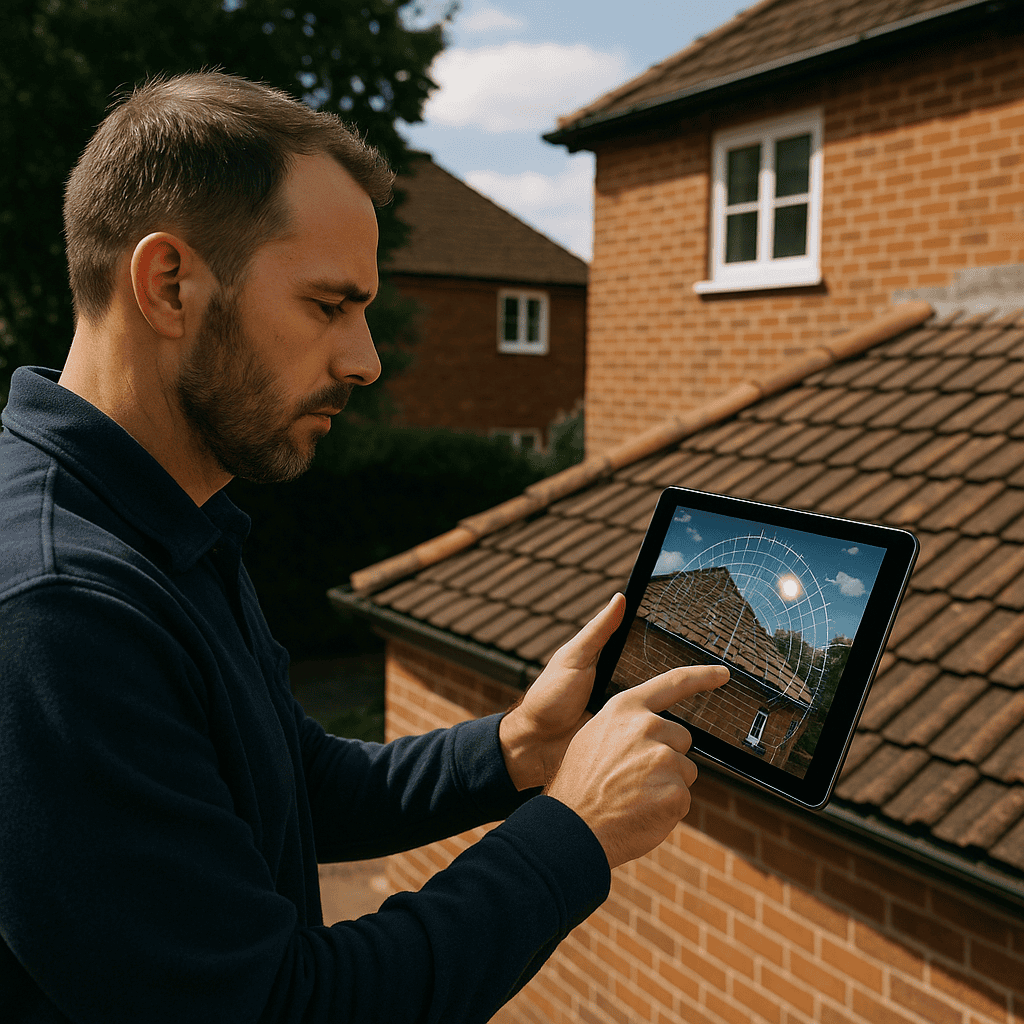
Start by visually inspecting your roof at different times of the day to observe how shadows move and change. This will give you a sense of which areas receive the most sunlight and which are most affected by shade. It may be beneficial to conduct this assessment over several days to account for variations in weather and lighting conditions.
Consider using tools such as a solar pathfinder or a smartphone app designed to measure solar potential. These tools can provide a more precise analysis by mapping out the sun’s path and highlighting areas of your roof that experience the least shading. With this information, you can make informed decisions about where to install solar panels for maximum efficiency.
Lastly, consult with a solar energy expert who can provide a professional assessment of your roof’s shading. They can offer valuable insights and recommendations based on their expertise and experience, ensuring your solar panel installation is both effective and efficient. By thoroughly assessing your roof’s shading, you can optimise your solar energy production and enjoy the benefits of renewable energy.