
What is the ideal pitch angle for solar panels on a residential roof?
Determining the ideal pitch angle for solar panels on a residential roof is essential for maximising energy efficiency and optimising the return on your investment. The pitch angle is the angle at which the panels are installed relative to the ground, and it plays a crucial role in how much sunlight the panels can capture. Generally, the optimal angle corresponds closely to the latitude of your location, allowing the panels to receive the maximum amount of sunlight year-round. For example, if you live at a latitude of 35 degrees, a similar pitch angle for your solar panels would be ideal.
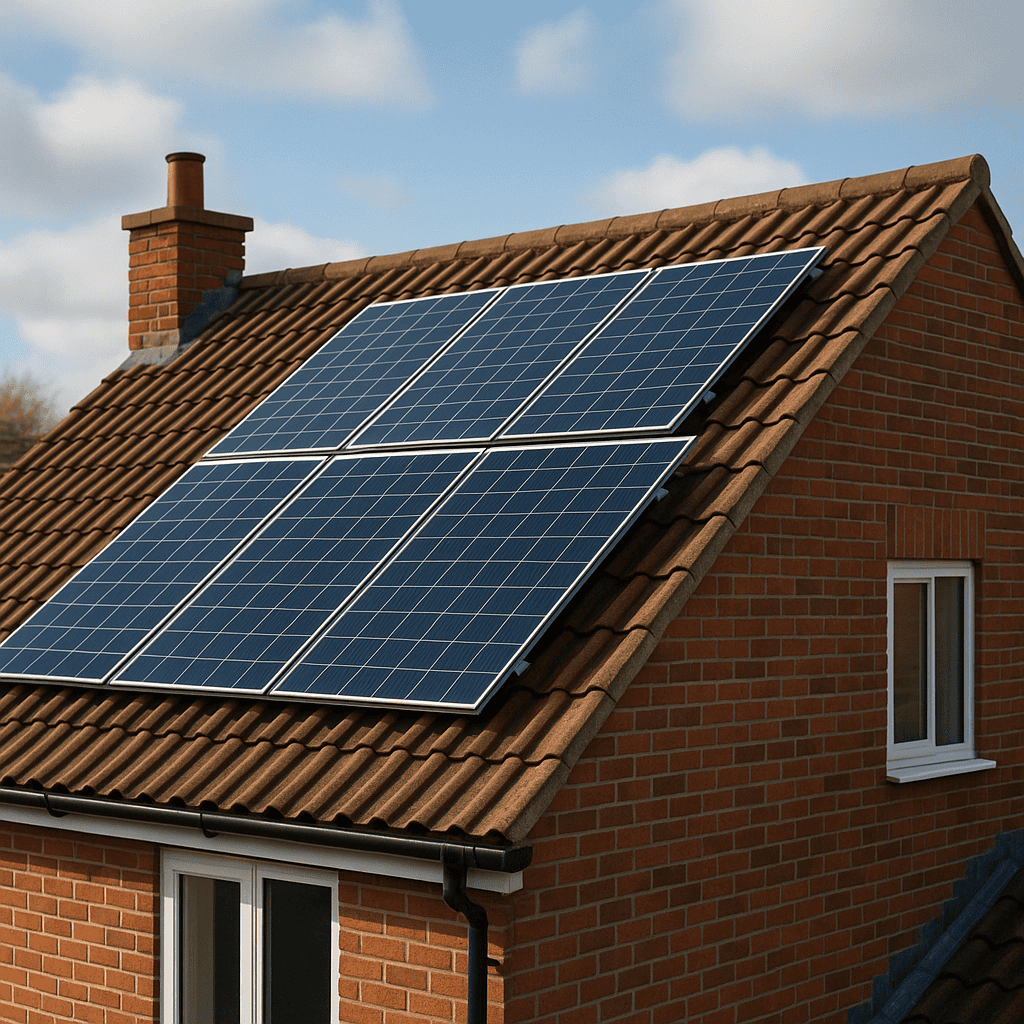
The ideal pitch angle ensures that your solar panels capture the most sunlight possible, thereby increasing their efficiency. A pitch angle equivalent to your geographical latitude generally provides a good balance for year-round energy production. However, slight adjustments may be beneficial depending on seasonal variations. For instance, a steeper angle might be more effective in the winter months when the sun is lower in the sky.
In addition to geographical considerations, the orientation of your roof also plays a significant role in determining the best pitch angle. South-facing roofs typically yield the highest energy output in the UK. However, if your roof faces east or west, you may need to adjust the pitch angle slightly to compensate for the reduced sunlight exposure during certain times of the day.
Lastly, while achieving the ideal pitch angle is important, practical constraints such as roof design, local building regulations, and aesthetic preferences may also influence your decision. Consulting with a solar energy specialist can provide valuable insights tailored to your specific circumstances, ensuring that your solar panels are installed at the optimal angle for maximum efficiency.