
How do I troubleshoot common issues with solar monitoring systems?
Solar monitoring systems are invaluable tools for maximising the efficiency and performance of your solar energy setup. However, like any technology, they can experience issues that may hinder their effectiveness. Understanding how to troubleshoot these common problems is crucial in ensuring your system operates smoothly and continues to provide accurate data.
When faced with issues in your solar monitoring system, it is important to approach the problem systematically. This can involve checking the connectivity, verifying data accuracy, and ensuring that all components are functioning correctly. By following a structured troubleshooting process, you can identify and resolve issues efficiently, minimising downtime and maintaining the optimal performance of your solar system.
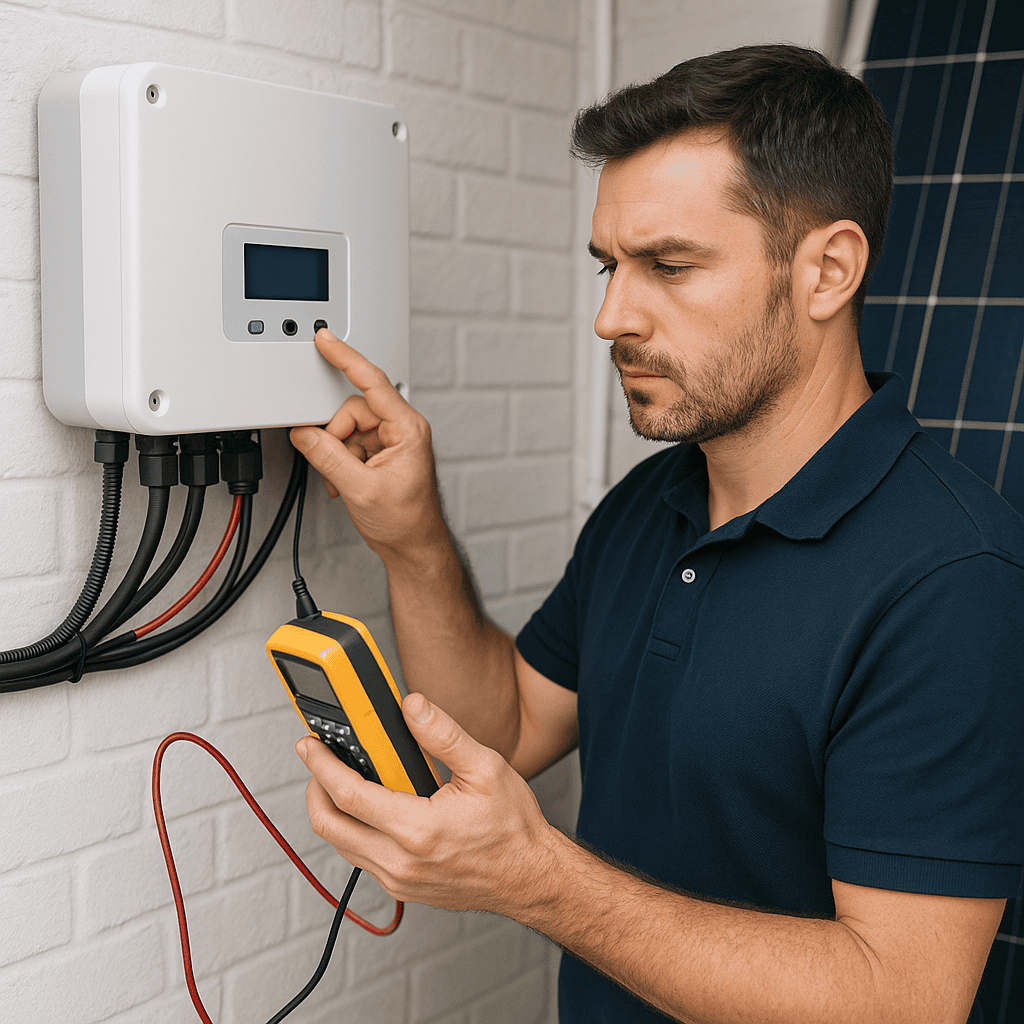
Begin by checking the connectivity of your solar monitoring system. Ensure that all physical connections, such as cables and plugs, are secure and undamaged. If your system relies on wireless communication, verify that the network signal is strong and that there are no interruptions. Connectivity issues are often a primary cause of data discrepancies or loss.
Next, examine the data being recorded by your monitoring system. Cross-reference this data with manual readings or alternative measurement tools. Inconsistencies may indicate a calibration issue or a fault within the sensors. Regularly updating the software or firmware of your system can also mitigate data inaccuracies and improve overall performance.
Lastly, inspect the individual components of your solar monitoring system. This includes checking for any visible damage or wear in the hardware. Regular maintenance checks can pre-emptively identify potential problems. If a component appears faulty, consult the user manual for specific troubleshooting steps or consider seeking professional assistance to ensure a thorough resolution.