
What is the process for setting up solar monitoring for residential solar systems?
Setting up solar monitoring for residential solar systems is a crucial step in optimising energy efficiency and ensuring that your investment in solar technology is well-managed. Solar monitoring systems provide real-time data on how much energy your solar panels are generating, allowing you to track performance and identify any issues that may arise. This process not only helps in maintaining the overall health of your solar system but also aids in maximising your energy savings.
Understanding the process of setting up solar monitoring involves a few key steps. From choosing the right monitoring system to installation and configuration, it is important to ensure that each step is carried out correctly. By doing so, you can enjoy the full benefits of your solar system, including reduced energy bills, increased home value, and a smaller carbon footprint. With the right approach, solar monitoring can be an invaluable tool in your journey towards sustainable living.
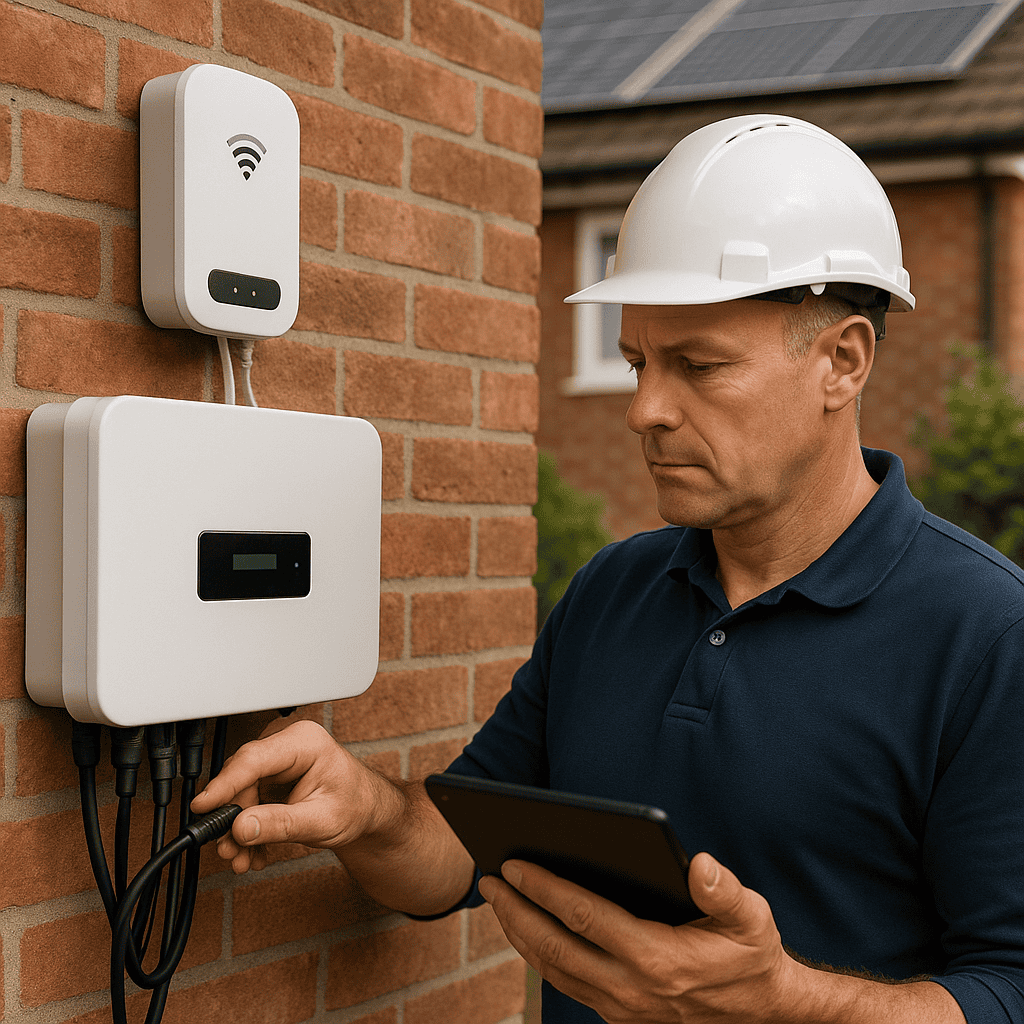
The first step in setting up solar monitoring is to select a monitoring system that is compatible with your existing solar setup. This involves evaluating different options to find a system that meets your needs in terms of features, user interface, and budget. Many systems offer mobile apps or web portals that provide easy access to data, making it simple to monitor your solar system’s performance from anywhere.
Once you have chosen a suitable monitoring system, the next step is installation. This typically involves connecting the monitoring device to your solar inverter or directly to your solar panels. Some systems may require professional installation, while others can be set up by the homeowner. It is vital to follow the manufacturer’s instructions carefully to ensure proper installation and functionality.
After installation, configuring the monitoring system is essential for accurate data collection. This process usually includes setting up an account on the monitoring platform, calibrating the device, and linking it to your home’s internet network. Once configured, you can start receiving real-time updates and alerts, allowing you to monitor your solar system’s performance effectively and address any issues promptly.