
What are the different stages involved in the solar installation process and their timelines?
Navigating the solar installation process can seem daunting, but understanding the stages involved can ease concerns and clarify expectations. Each stage plays a crucial role in ensuring a successful transition to solar energy for your home. This guide outlines the key phases and typical timelines associated with residential solar installation, providing you with a clear picture of what to anticipate.
From initial assessment to final activation, the solar installation journey involves several critical steps. While the overall process can vary depending on specific circumstances, most installations follow a similar trajectory. By familiarising yourself with these stages, you can better prepare for the transition and ensure a smooth, efficient process, ultimately leading to the benefits of sustainable energy for your household.
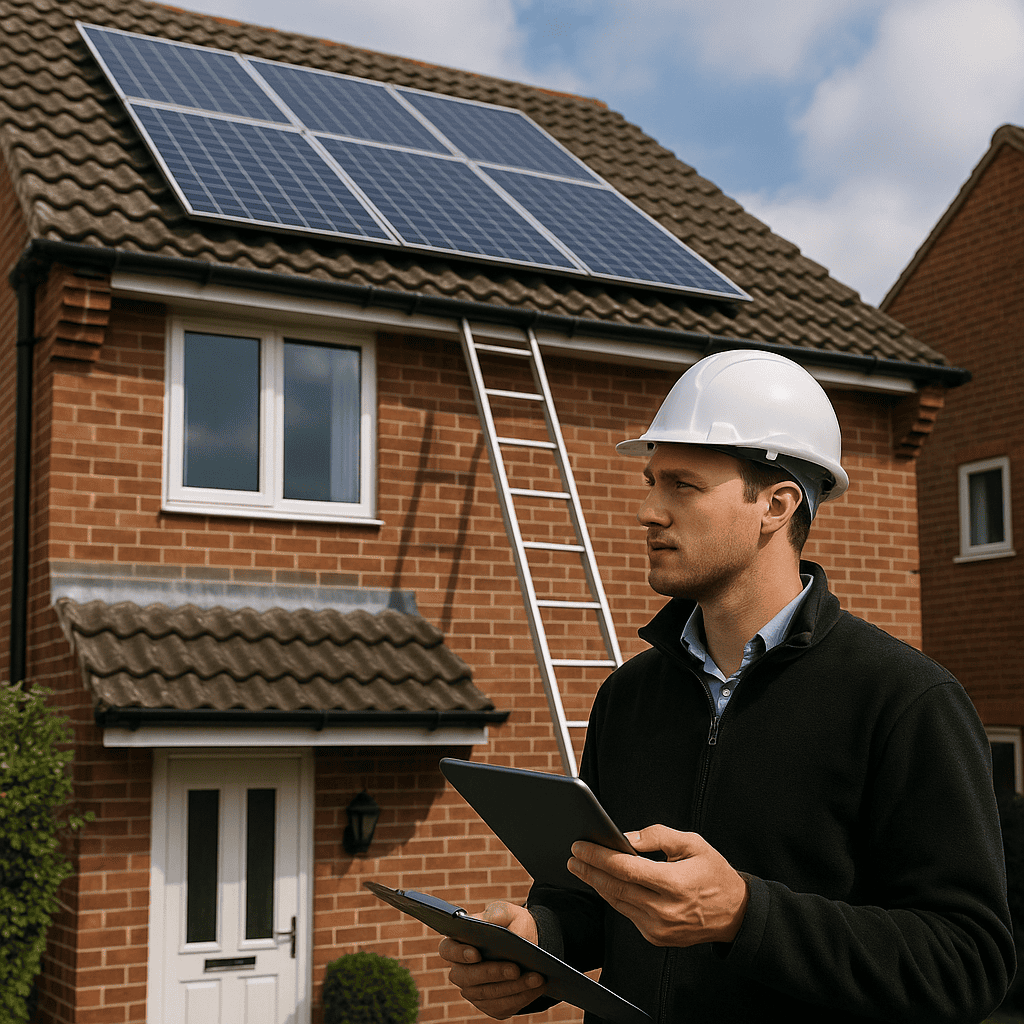
The first stage is the site assessment and design phase, which typically takes one to two weeks. During this time, a solar professional will evaluate your property to determine its suitability for solar panels. This includes assessing roof condition, shading, and energy needs. Following this, a customised solar system design is created to optimise energy production for your home.
Next is the permitting and approval stage, which can take anywhere from two to eight weeks. This phase involves submitting the necessary paperwork to local authorities and utility companies to obtain the required permits and approvals. The timeline for this stage can vary significantly depending on local regulations and the efficiency of the permitting process.
Once permits are secured, the installation itself usually takes one to three days. Professional installers will mount the solar panels and connect them to your home’s electrical system. After installation, the final step is the inspection and activation process, which can take an additional one to two weeks. This involves a final inspection by local authorities to ensure compliance with regulations, followed by the activation of your solar system, marking the completion of your solar installation journey.