
What are the building regulations for installing residential solar panels?
Installing residential solar panels is an excellent way to harness renewable energy and reduce your carbon footprint. However, before embarking on this eco-friendly journey, it’s crucial to understand the building regulations involved. In the UK, most residential solar panel installations are considered ‘permitted developments,’ meaning they do not require planning permission. Nonetheless, specific conditions must be met, such as the panels not protruding more than 200mm from the roof plane and not being installed above the highest part of the roof.
In addition to these general guidelines, it’s essential to consider any local restrictions that may apply, particularly if your property is in a conservation area or is a listed building. In such cases, you might need to seek additional permissions to ensure compliance with local planning authorities. Being well-informed about these regulations ensures a smooth installation process and helps avoid any legal complications.
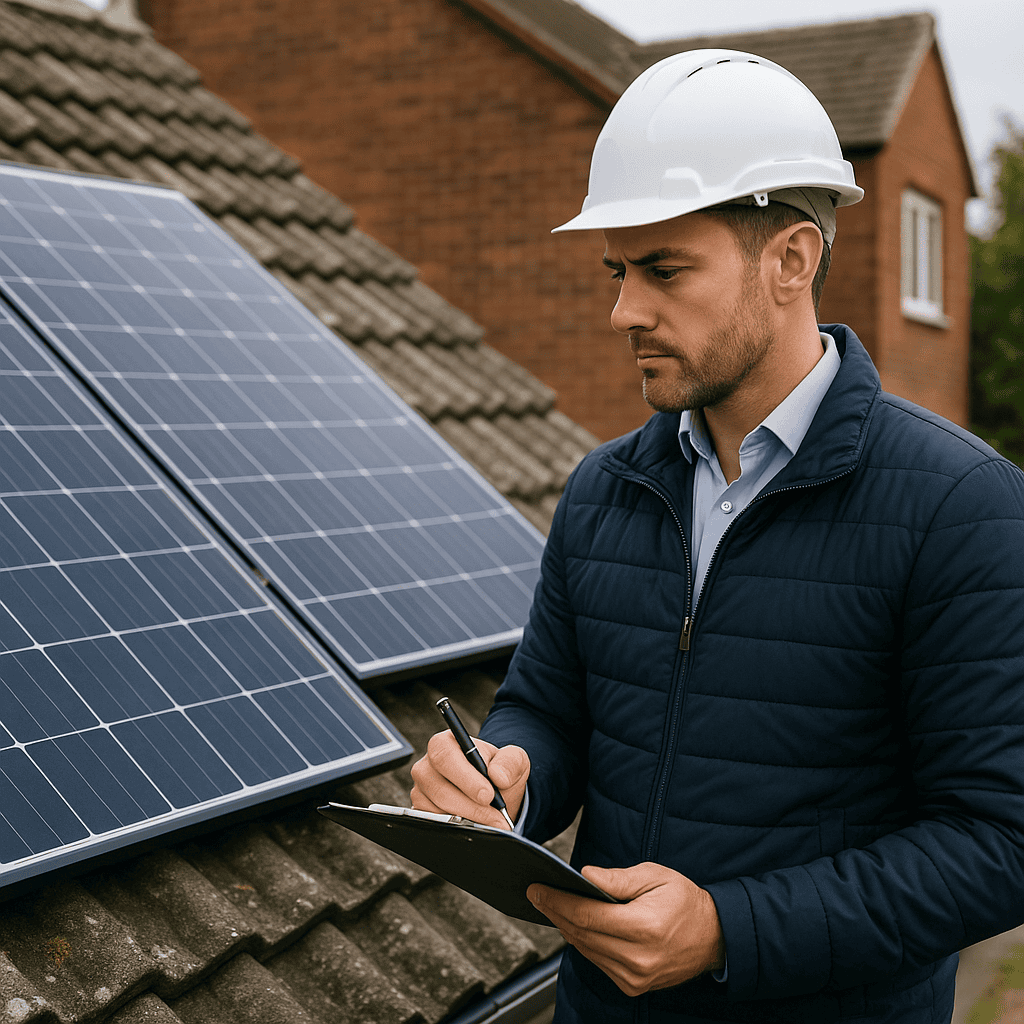
When considering the installation of solar panels, it’s vital to adhere to the Microgeneration Certification Scheme (MCS) standards. This scheme ensures that both the products and installers meet the highest quality and safety standards, providing peace of mind and guaranteeing that your installation is eligible for government incentives. MCS certification is often a requirement to access grants and financial schemes, making it an essential part of the installation process.
Furthermore, building regulations may require you to ensure that your roof can support the additional weight of the panels. This involves a structural assessment, often conducted by a qualified professional, to confirm that your property can safely accommodate the installation. In some cases, additional support or modifications may be necessary to meet these requirements.
Lastly, consider the potential impact of solar panel installation on your neighbours. While the benefits are substantial, it’s courteous to inform them of your plans, especially if the panels could cause glare or affect their view. Addressing any concerns proactively fosters good relations and ensures that the installation process proceeds smoothly for everyone involved.