
How do solar panel costs affect the overall ROI of a solar and battery system?
Investing in a solar and battery system is a significant decision that many homeowners and businesses consider for both environmental and economic benefits. One of the critical factors influencing this investment is the cost of solar panels, which directly affects the return on investment (ROI). Understanding how these costs impact the overall financial outcome is essential for making an informed decision.
Solar panel costs have decreased over the years, making renewable energy more accessible. However, the initial expenditure still plays a crucial role in determining the ROI. By analysing the relationship between upfront costs and long-term savings, individuals can better assess the financial viability of their solar and battery system investment.
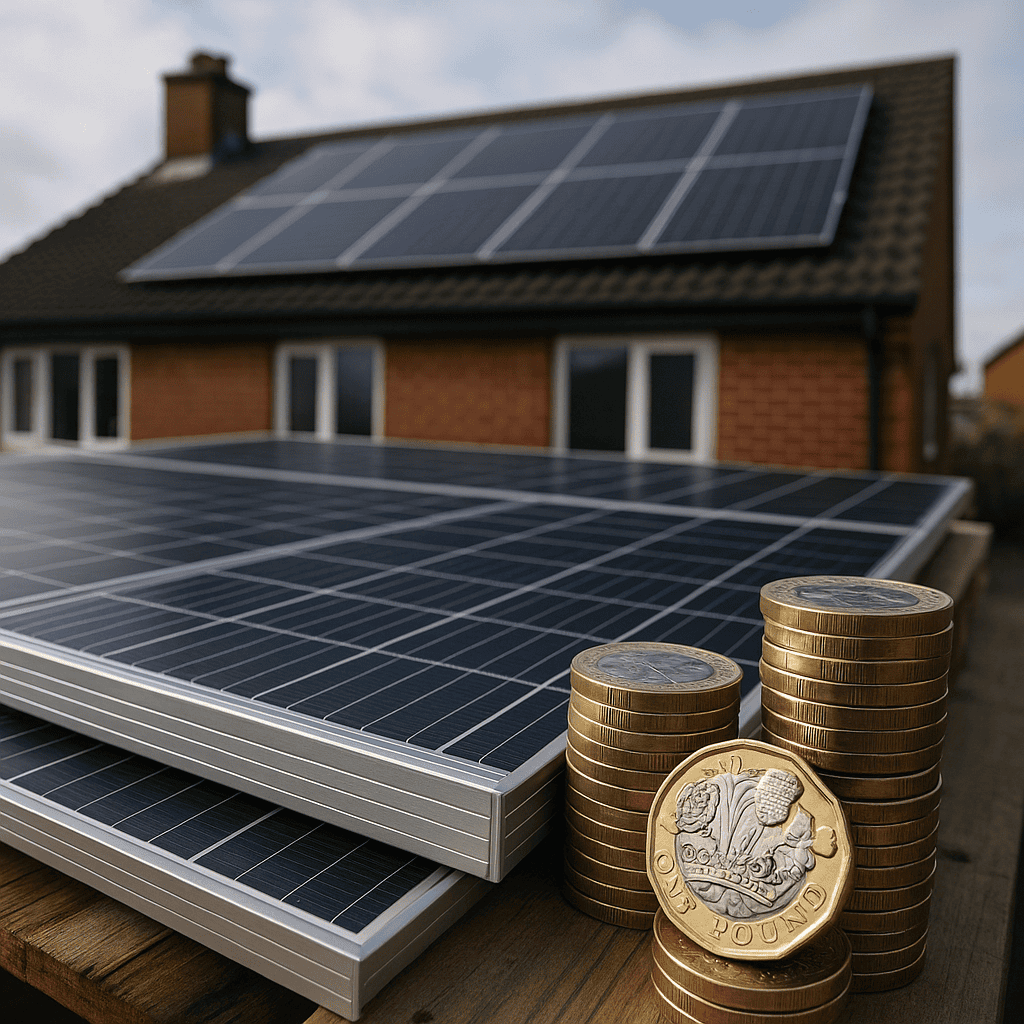
The initial cost of solar panels is a major component of the upfront investment in a solar and battery system. While these costs have been decreasing, they still represent a significant portion of the total expenditure. Lower panel costs can lead to a higher ROI by reducing the payback period, the time it takes to recoup the initial investment through savings on energy bills.
Moreover, the efficiency and quality of the solar panels can influence the ROI. High-efficiency panels may come at a higher cost but can generate more electricity, potentially leading to greater savings over time. This efficiency must be balanced against the initial cost to determine the optimal ROI.
Additionally, government incentives and rebates can further impact the overall ROI of a solar and battery system. These financial benefits can offset the initial investment, making solar energy a more attractive option. Understanding the interplay of these factors is crucial for accurately assessing how solar panel costs affect the ROI of a solar and battery system.