
How does the installation cost of solar panels affect long-term electricity bill reduction?
Investing in solar panels for your home can significantly reduce your long-term electricity bills. The initial installation cost, however, plays a crucial role in determining how quickly you will see these savings. By understanding the relationship between upfront costs and future savings, you can make an informed decision about whether solar panels are a suitable investment for your household.
The installation cost of solar panels can vary based on several factors, such as the size of the system, the type of panels chosen, and the complexity of the installation. While the upfront expenditure may seem substantial, it’s essential to consider how these costs translate into long-term financial benefits.
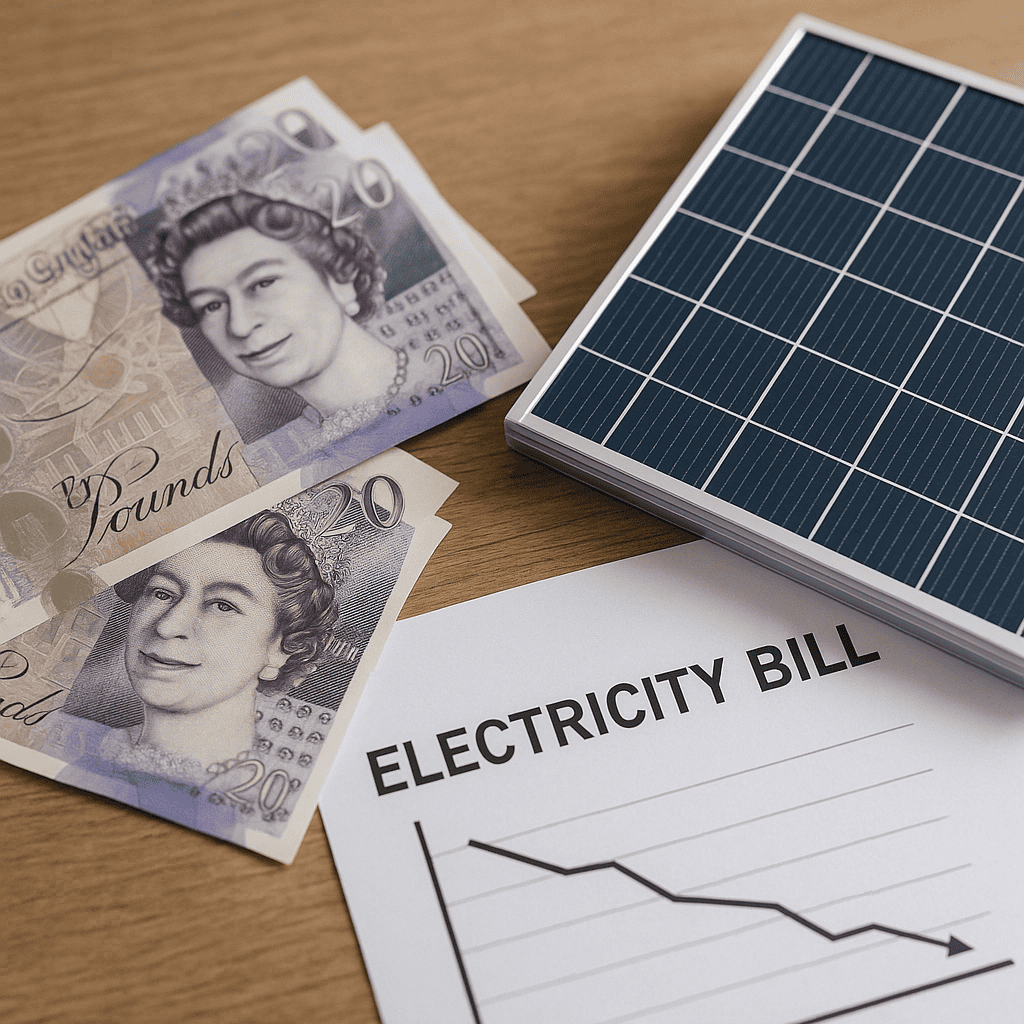
Firstly, the initial investment in solar panels is offset over time by the reduction in electricity bills. As solar panels generate free energy from the sun, they reduce your reliance on traditional electricity sources, leading to significant savings. The higher the installation cost, typically, the more efficient or larger the system, which can result in greater savings over time.
Secondly, government incentives and tax benefits can further mitigate the initial costs. Many regions offer financial incentives to encourage the adoption of renewable energy, which can lower the overall expense of installation. These incentives can make solar panels more accessible and enhance the return on investment by reducing the payback period.
Lastly, the longevity and durability of solar panels contribute to their cost-effectiveness. Most solar panel systems are designed to last for 25 years or more, providing long-term savings well beyond the initial cost recovery. By investing in quality panels and professional installation, homeowners can ensure optimal performance and maximise their savings on electricity bills over the decades.