
What are the potential savings on my electricity bill with residential solar panels?
Investing in residential solar panels can lead to significant savings on your electricity bill. The potential savings vary based on several factors, including your location, the size of the solar panel system, and your household’s energy consumption. Many homeowners find that solar panels not only reduce their energy costs but also provide a measure of energy independence.
By harnessing sunlight, solar panels convert renewable energy into electricity, which can significantly lower your reliance on the grid. As energy prices continue to rise, the savings from solar panels can become even more pronounced over time. Understanding these potential savings can empower you to make informed decisions about adopting solar energy for your home.
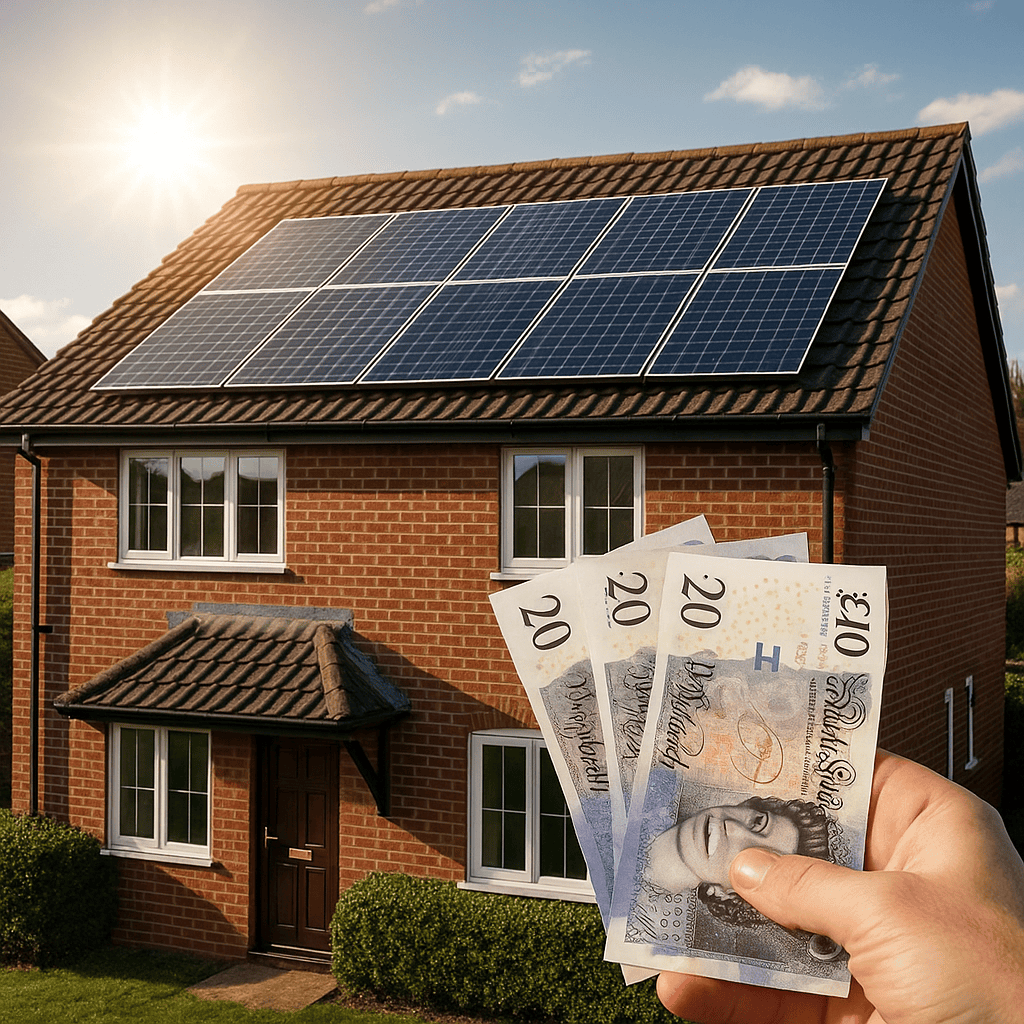
The primary factor influencing your potential savings is the amount of sunlight your location receives. Areas with higher sun exposure allow solar panels to generate more electricity, reducing the need to purchase power from the grid. This can result in substantial savings on your electricity bill, particularly during peak sunlight hours.
Another crucial aspect is the size of the solar panel system you install. Larger systems can generate more electricity, potentially covering a greater portion of your household’s energy needs. This means that with a well-sized system, you might see a dramatic reduction in your electricity costs, sometimes even eliminating them altogether during certain months.
Lastly, government incentives and feed-in tariffs can also enhance your savings. Many regions offer financial incentives to encourage the adoption of renewable energy, which can further offset the initial cost of installation and enhance your long-term savings. By taking advantage of these schemes, you can maximise the financial benefits of switching to solar energy.