
What incentives can shorten the payback period for home solar systems?
Investing in a home solar system is a significant financial decision, and understanding how to shorten the payback period can enhance its appeal. Various incentives exist to help homeowners recover their investment more swiftly, making solar energy a more viable option for many. By taking advantage of these incentives, individuals can not only save money but also contribute positively to the environment.
Government schemes, tax credits, and rebates are among the most effective incentives available. These benefits can significantly reduce the initial cost of installation, thereby shortening the payback period. Additionally, some regions offer performance-based incentives, rewarding homeowners for the amount of energy their solar systems generate, which further accelerates the financial return.
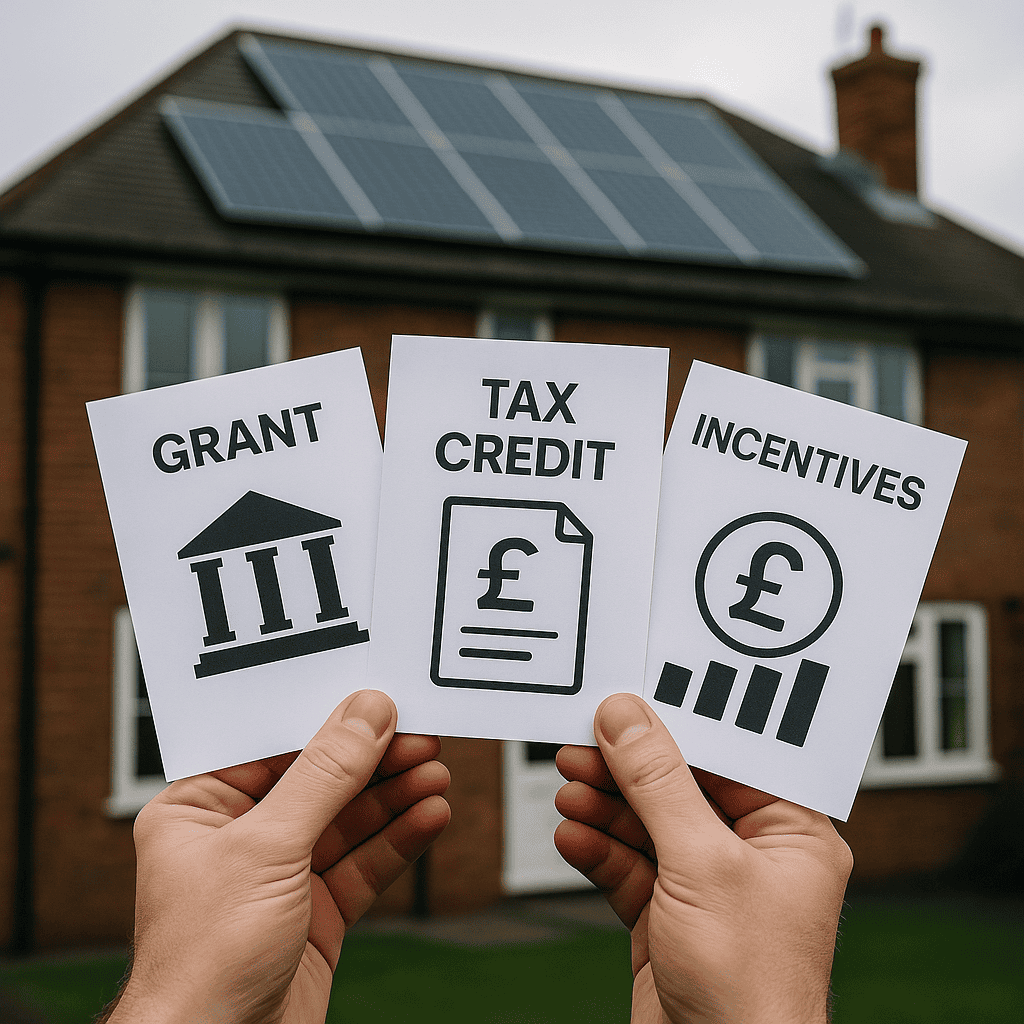
One of the primary incentives is government-backed schemes, which often include grants or subsidies that lower the upfront cost of solar installations. These programmes are designed to promote renewable energy adoption and can substantially decrease the financial burden on homeowners. By reducing the initial investment, the payback period is effectively shortened.
Tax credits are another powerful tool in reducing the payback time for home solar systems. By allowing homeowners to deduct a portion of the installation costs from their taxes, these credits can lead to significant savings. The reduced tax liability means more funds can be allocated towards other financial priorities, thus enhancing the overall value of the solar investment.
Finally, performance-based incentives can offer ongoing financial benefits. These incentives reward homeowners based on the energy produced by their solar systems. By generating more energy, homeowners can earn additional income or savings, which directly contributes to a faster return on investment. This continuous benefit underscores the long-term financial advantages of choosing solar energy.