
How does the cost of solar panels compare to traditional energy sources for homeowners?
When considering the cost of solar panels compared to traditional energy sources, it’s essential to look beyond the initial investment. While solar panels often require a higher upfront expenditure, they can offer significant savings in the long term. Homeowners are increasingly interested in how the ongoing costs and potential savings stack up against conventional energy sources like coal, gas, and electricity from the grid.
In recent years, the cost of solar panels has decreased, making them a more accessible option for many homeowners. Additionally, government incentives and decreasing installation costs have further enhanced their attractiveness. As energy prices continue to rise, solar panels present a compelling case for those seeking to reduce their energy expenses over time.
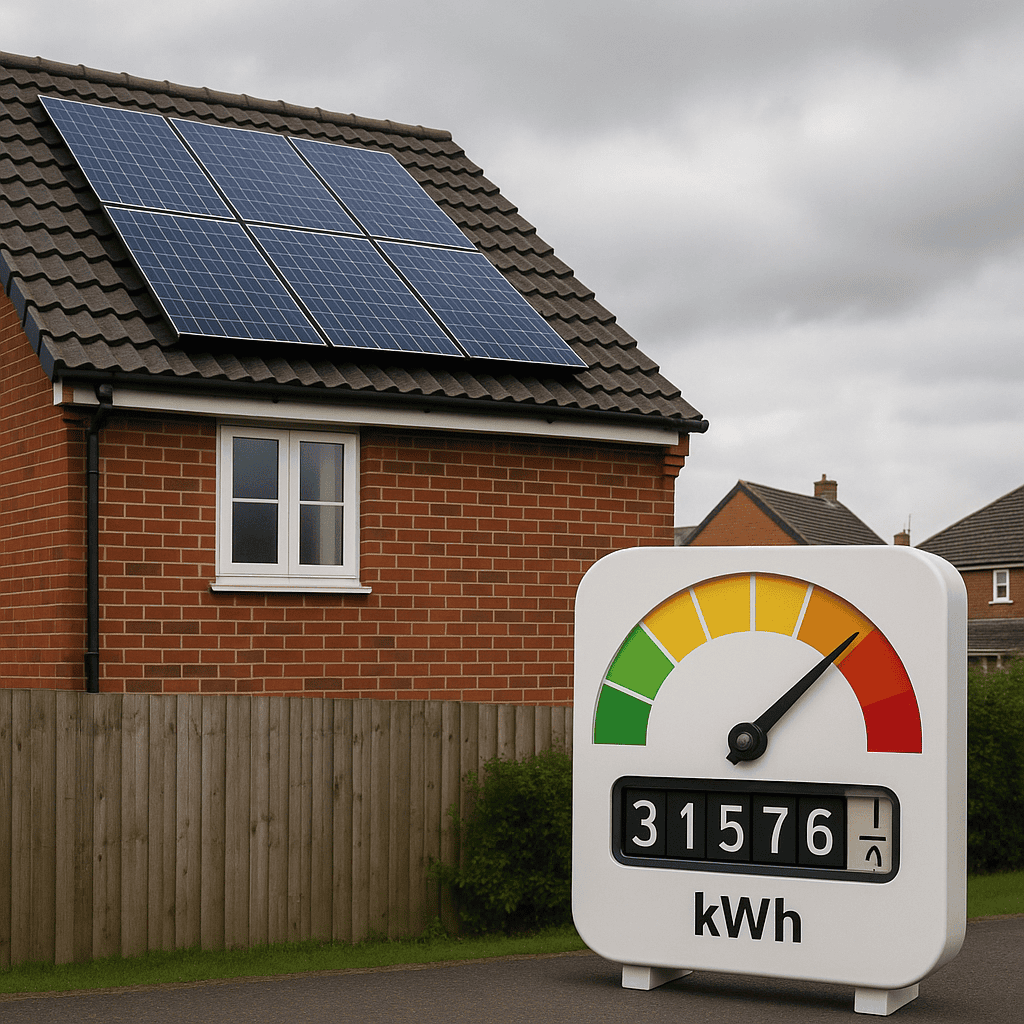
The initial cost of installing solar panels can be a barrier for some homeowners, as it typically involves purchasing the panels and paying for installation. However, the long-term benefits often outweigh these initial expenses. Once installed, solar panels have minimal maintenance costs and can significantly reduce, or even eliminate, monthly electricity bills. Additionally, many regions offer financial incentives, such as tax credits or rebates, which can further offset the initial costs.
In contrast, relying on traditional energy sources involves ongoing costs that can fluctuate due to market conditions. Homeowners are subject to price increases, and there’s little control over these expenses. In comparison, solar energy provides a degree of predictability, as once the panels are installed, the energy they produce is essentially free.
Furthermore, the environmental benefits of solar panels are an added advantage. By generating clean energy, homeowners can reduce their carbon footprint, contributing to a more sustainable future. This not only benefits the planet but can also enhance the property’s value. Overall, while the initial costs of solar panels may be higher, the potential savings and environmental benefits make them a worthwhile consideration for many homeowners.