
How do solar batteries work to store energy for residential use?
Solar batteries play a crucial role in harnessing and storing energy from the sun for residential use. When solar panels collect sunlight, they convert it into electricity. However, not all of this electricity is used immediately, especially during peak sunlight hours. This is where solar batteries come into play, storing excess energy for later use, such as during the night or on cloudy days. By integrating solar batteries into your home energy system, you can maximise the utilisation of solar power, reduce reliance on the grid, and potentially lower electricity bills.
Understanding how solar batteries work involves recognising their function as energy reservoirs. When your solar panels produce more electricity than your household consumes, the surplus energy is channelled into the batteries. This stored energy is then available to power your home when solar generation is low, ensuring a consistent energy supply. Thus, solar batteries not only enhance energy efficiency but also contribute to energy independence and sustainability.
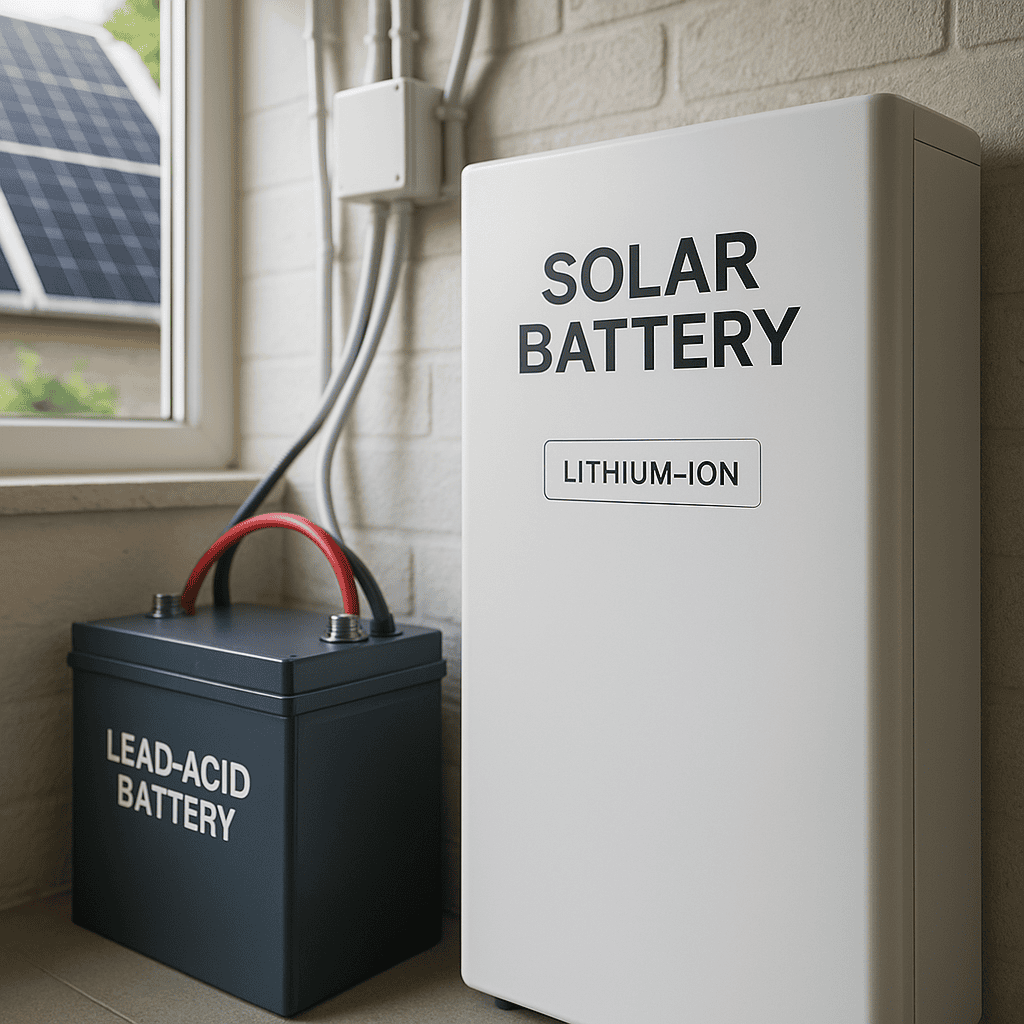
Solar batteries are typically classified based on the technology they use, with the most common types being lithium-ion and lead-acid batteries. Lithium-ion batteries are favoured for their high efficiency, longer lifespan, and compact size, making them ideal for residential use. In contrast, lead-acid batteries, while more affordable, tend to have a shorter lifespan and lower efficiency. The choice of battery technology can significantly impact the overall performance and cost-effectiveness of your solar energy system.
The efficiency of solar batteries is measured by their round-trip efficiency, which is the percentage of energy put into the battery that can be retrieved. Higher efficiency means more energy is available for use, thus maximising the benefits of your solar investment. Additionally, the capacity of a battery, measured in kilowatt-hours (kWh), determines how much energy can be stored, influencing how long your home can be powered without relying on the grid.
Incorporating solar batteries into your home not only provides a backup during power outages but also allows for better energy management. By storing excess solar energy, you can use it during peak tariff periods, reducing electricity costs. Moreover, as the UK moves towards a more sustainable future, investing in solar battery technology supports the transition to renewable energy sources, contributing to a reduction in carbon footprint and promoting environmental conservation.