
How do home solar panels work to generate electricity?
Home solar panels, also known as photovoltaic (PV) panels, are an increasingly popular method for generating electricity while reducing energy costs. These panels capture sunlight and convert it into electricity that can be used to power your home. By harnessing the sun’s energy, solar panels provide a renewable and environmentally friendly alternative to traditional energy sources. Understanding how these panels work can help you make informed decisions about incorporating solar energy into your household.
Solar panels generate electricity through a process that involves several components working together. The panels themselves are made up of many solar cells, which are typically composed of silicon. When sunlight hits these cells, it excites electrons, creating an electric current. This current is then converted from direct current (DC) to alternating current (AC) using an inverter, making it suitable for household use. This seamless conversion process allows homeowners to enjoy a sustainable energy source that can significantly reduce their reliance on the grid.
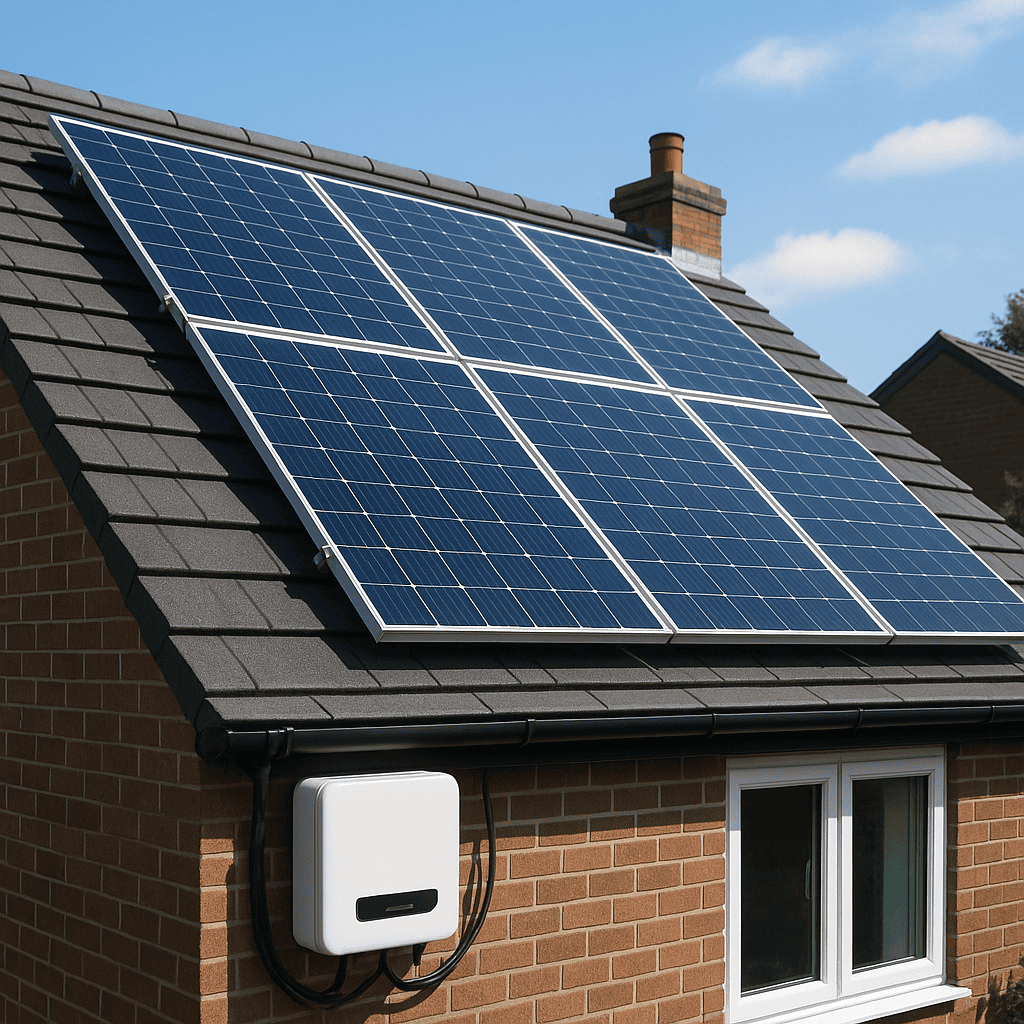
The operation of home solar panels begins with the absorption of sunlight by the photovoltaic cells within the panels. These cells are designed to capture photons, the basic units of light, which in turn release electrons from the silicon atoms in the cells. This release of electrons generates a flow of electricity, known as direct current (DC). The efficiency of this process largely depends on the quality and positioning of the solar panels, as well as the availability of sunlight.
Once the direct current is generated, it must be converted into alternating current (AC) to be compatible with household appliances and the electrical grid. This conversion is carried out by an inverter, a crucial component of any solar power system. The inverter not only transforms DC to AC but also ensures that the electricity produced aligns with the voltage and frequency requirements of the home’s electrical system.
Finally, the alternating current is fed into the home’s electrical panel, where it can be distributed to power various appliances and devices. Any excess electricity generated can often be fed back into the grid, potentially earning credits or payments from your energy supplier. This process not only reduces your electricity bills but also contributes to a more sustainable environment by utilising a clean and renewable energy source.