
How does the location of my business affect the size of the solar system I need?
The location of your business plays a significant role in determining the size of the solar system you need. Factors such as the amount of sunlight your location receives, local weather patterns, and regional regulations can all influence the efficiency and size of the solar system required. For instance, a business situated in a region with abundant sunshine may need a smaller system to meet its energy needs compared to one in a cloudier area.
Additionally, geographical factors such as latitude can affect solar panel performance. Businesses located at higher latitudes might require larger systems to capture sufficient sunlight due to the angle of the sun being lower in the sky. Understanding these variables is crucial to ensuring your solar system is optimally designed for your specific location.
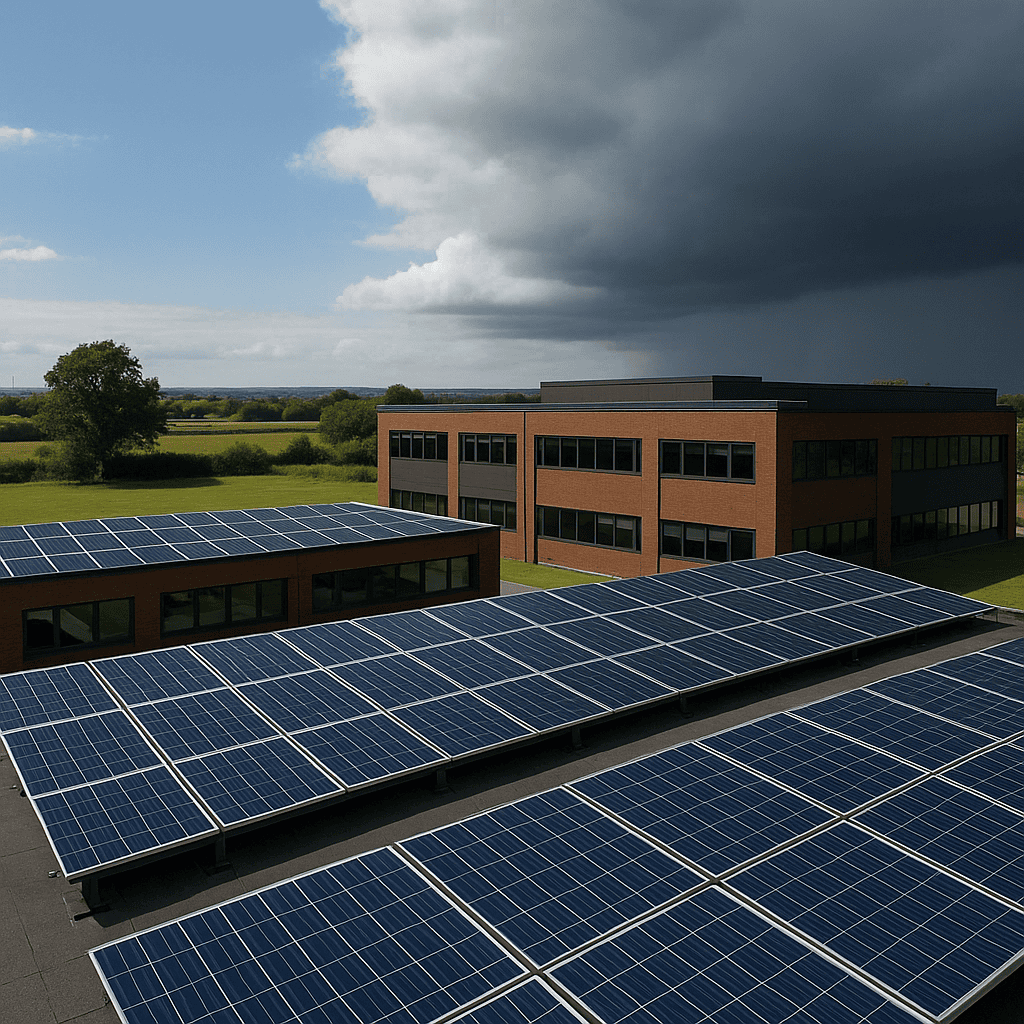
Firstly, the amount of sunlight your business location receives directly impacts the energy output of your solar system. Regions with high solar irradiance allow for more efficient energy production, meaning a smaller system might suffice. Conversely, in areas with less sunlight, a larger system may be necessary to compensate for reduced energy generation.
Secondly, local weather patterns can affect solar efficiency. Frequent cloud cover or precipitation can reduce the amount of sunlight reaching your panels, necessitating a larger system to achieve the desired energy production. Conversely, locations with clear, sunny weather can benefit from smaller, more efficient systems.
Lastly, regional regulations and incentives play a part in determining the size of your solar system. Some areas offer incentives for larger installations or have specific requirements that might influence the size of the system you choose. It is essential to research and understand these factors when planning your solar installation to ensure it meets both your energy needs and regulatory compliance.