
What are the key design considerations for commercial solar projects?
Designing a commercial solar project requires a comprehensive understanding of various critical factors to ensure its success. From site assessment to financial planning, each aspect plays a pivotal role in shaping the project’s outcome. A well-thought-out design not only maximises energy efficiency but also ensures long-term sustainability and cost-effectiveness.
To begin with, understanding the specific energy needs of the commercial entity is paramount. This involves analysing current energy consumption patterns and projecting future requirements. Additionally, the physical characteristics of the site, such as roof orientation, angle, and shading, must be thoroughly evaluated to optimise solar panel placement for maximum exposure to sunlight.
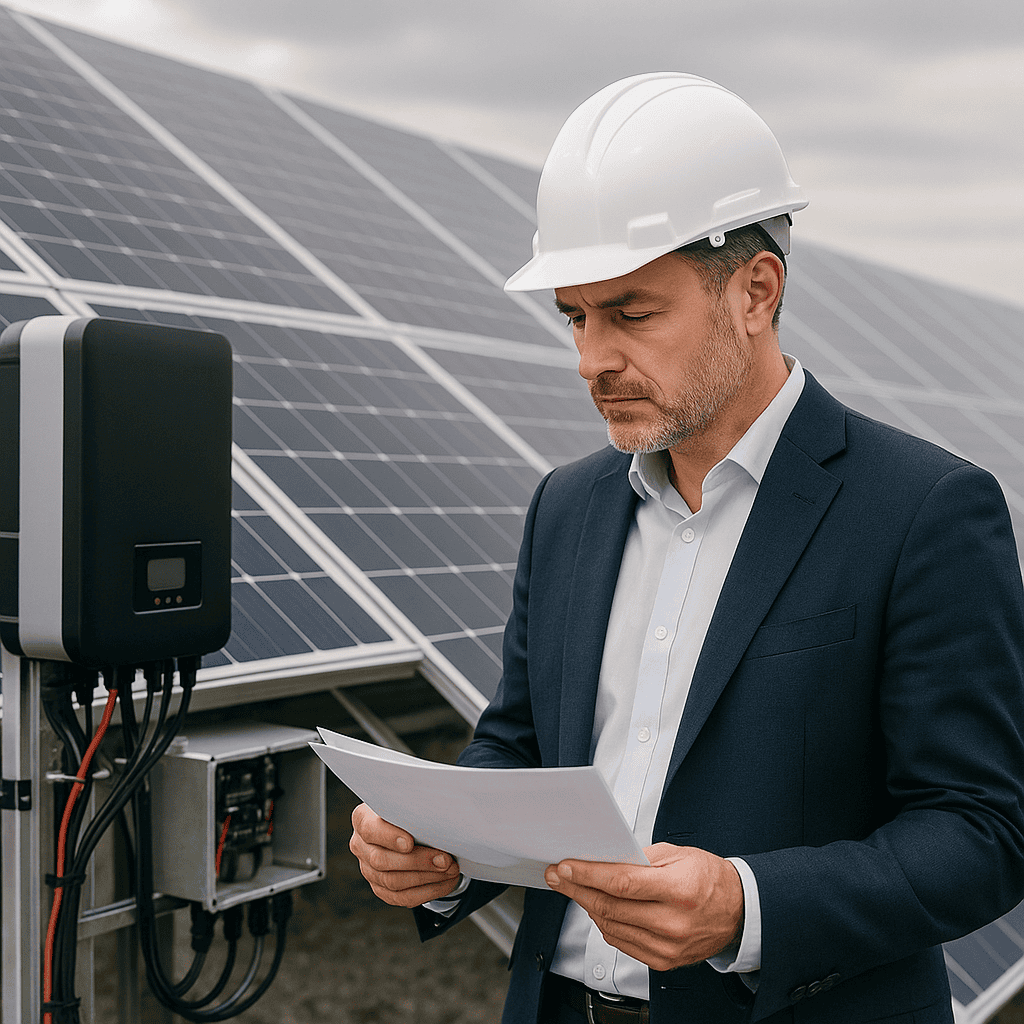
One of the primary considerations in commercial solar design is the selection of appropriate technology. This involves choosing the right type of solar panels and inverters that align with the energy goals and budget of the project. Advances in solar technology offer a range of options, each with unique benefits and efficiencies, making it crucial to select equipment that offers the best return on investment.
Another crucial factor is regulatory compliance and permitting. Navigating local regulations and obtaining the necessary approvals can be complex, but it is an essential step to ensure the project adheres to legal standards. Understanding zoning laws, building codes, and grid connection requirements is vital to avoid potential delays or fines.
Lastly, financial planning and risk assessment are key components of a successful commercial solar project. This includes evaluating funding options, such as grants, loans, or power purchase agreements, and assessing the financial viability of the project. A thorough risk assessment will help identify potential challenges and develop strategies to mitigate them, ensuring the project’s long-term success and sustainability.