
What are the benefits of integrating load balancing with commercial solar for EV charging?
Integrating load balancing with commercial solar for electric vehicle (EV) charging presents a multitude of benefits, enhancing both efficiency and sustainability. By optimising the distribution of electricity, businesses can significantly reduce energy costs while simultaneously minimising their carbon footprint. This synergy between solar energy and load balancing ensures that EV charging stations operate at peak efficiency, providing a reliable service to customers.
Moreover, the integration supports the growing demand for EV charging infrastructure by making it more adaptable and resilient. As the adoption of electric vehicles continues to rise, the need for efficient energy solutions becomes paramount. Load balancing, in conjunction with solar power, offers a forward-thinking approach that not only meets current demands but also prepares for future growth.
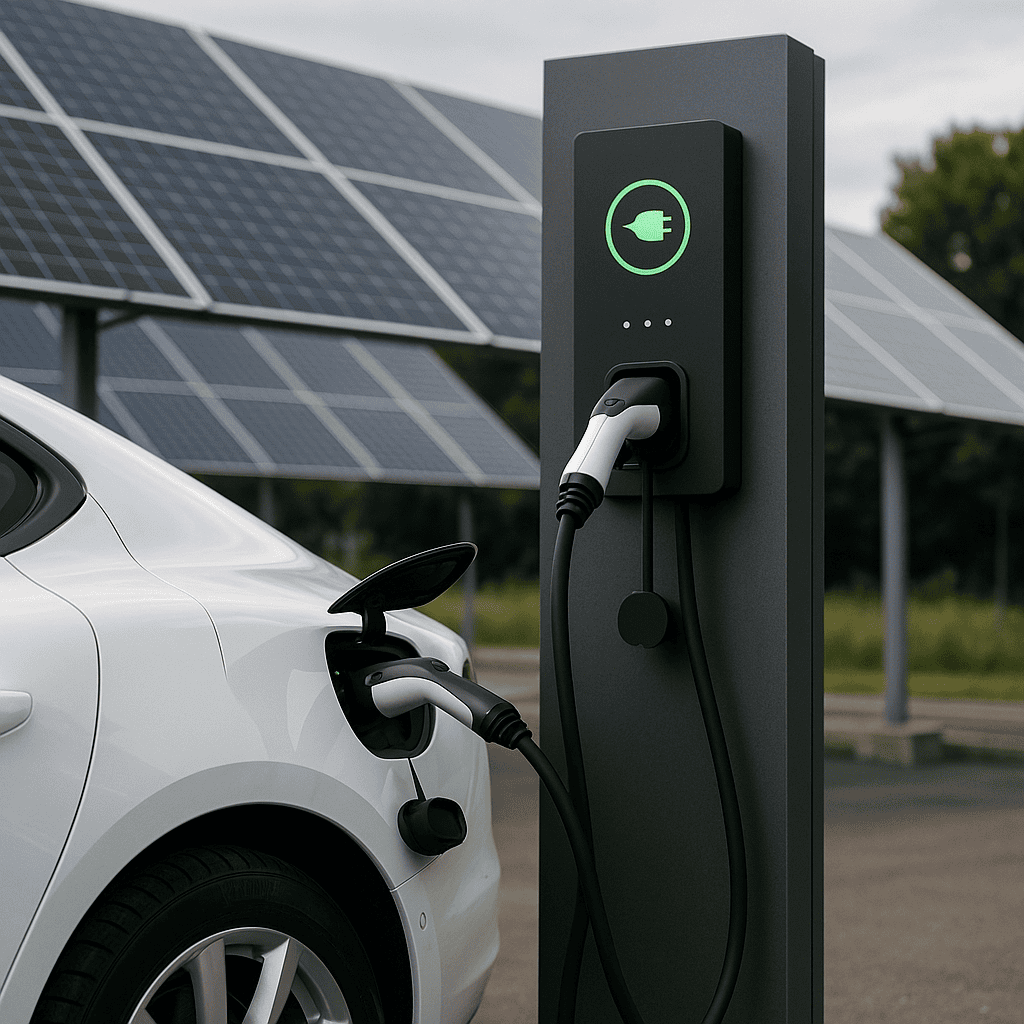
One of the primary advantages of integrating load balancing with commercial solar is the optimisation of energy usage. By intelligently managing the flow of electricity, load balancing ensures that energy is distributed where it is needed most, preventing overloads and reducing the risk of outages. This results in a more stable and reliable charging system, which is crucial for businesses that rely on consistent service delivery.
Furthermore, the combination of solar energy and load balancing promotes economic efficiency. Solar panels generate electricity at a lower cost compared to traditional energy sources, and when paired with load balancing, businesses can maximise their return on investment. This integration allows for the use of solar power during peak sunlight hours, reducing dependency on the grid and lowering electricity bills.
Finally, the environmental benefits cannot be overlooked. By harnessing renewable energy and optimising its use through load balancing, businesses contribute to a more sustainable future. This approach not only reduces greenhouse gas emissions but also supports the transition to a cleaner energy landscape, aligning with global efforts to combat climate change.