
How do workplace EV chargers contribute to sustainability and reduce carbon footprints?
Workplace electric vehicle (EV) chargers play a pivotal role in promoting sustainability by facilitating the transition from traditional fuel-powered vehicles to electric alternatives. By providing convenient access to charging facilities at work, employers can significantly encourage employees to opt for electric vehicles, thereby reducing the overall carbon emissions associated with daily commutes.
Furthermore, the installation of EV chargers at workplaces not only supports the environmental goals of reducing greenhouse gas emissions but also aligns with broader sustainability initiatives. This shift helps to decrease the reliance on fossil fuels, contributing to cleaner air and a healthier environment for all.
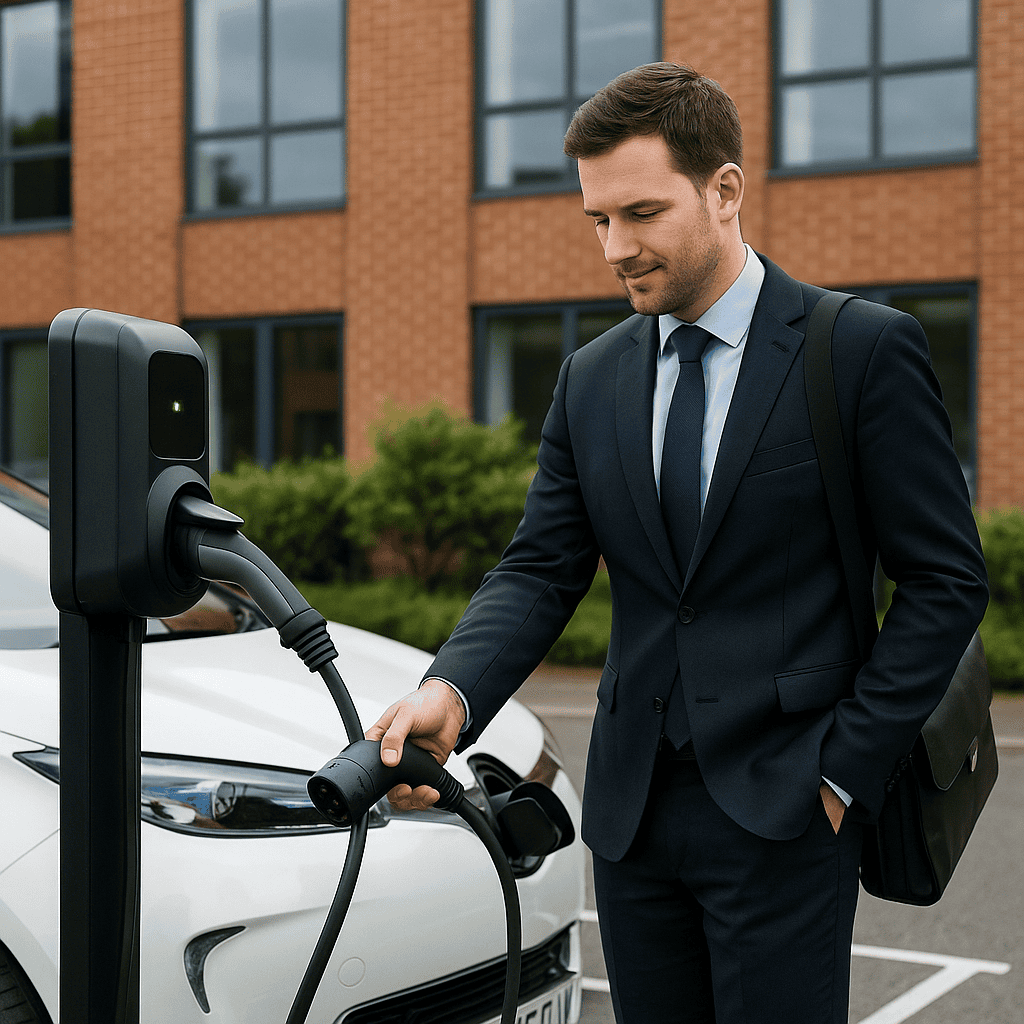
One of the primary benefits of workplace EV chargers is their ability to reduce the carbon footprint of commuting. By making it easier for employees to charge their vehicles, businesses can help lower the emissions generated by traditional petrol or diesel vehicles. This shift not only benefits the environment but also enhances the company’s sustainability credentials.
In addition to environmental benefits, workplace EV chargers can also encourage a shift in employee mindset towards more sustainable practices. Employees are more likely to consider purchasing an electric vehicle when they know they have reliable charging options available at work. This can lead to a broader adoption of EVs, further amplifying the positive impact on sustainability.
Moreover, the presence of EV chargers at the workplace can foster a culture of environmental awareness and responsibility. It demonstrates a company’s commitment to sustainable practices, potentially influencing employees to adopt similar values and behaviours in their personal lives, thereby extending the benefits beyond the workplace.