
How does fleet EV charging integrate with existing solar energy systems?
Integrating fleet electric vehicle (EV) charging with existing solar energy systems offers a sustainable approach to managing energy consumption. By utilising solar power, fleets can significantly reduce their carbon footprint while also cutting down on energy costs. This synergy not only supports environmental goals but also enhances the efficiency of fleet operations.
Solar energy systems can be seamlessly integrated with EV charging infrastructure to provide a reliable and eco-friendly power source. This integration allows for the optimal use of renewable energy, ensuring that fleet operations are both sustainable and cost-effective. As organisations strive to meet sustainability targets, combining solar energy with EV charging is an increasingly popular solution.
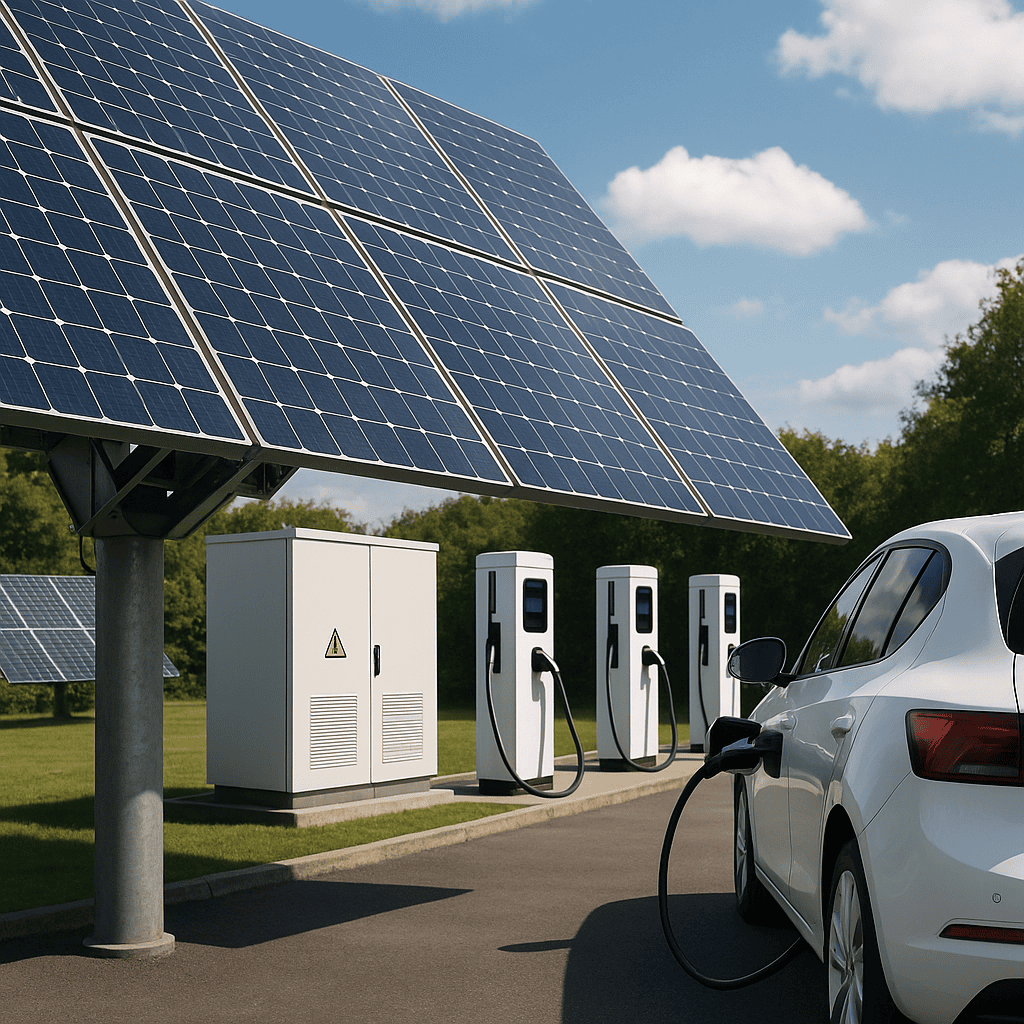
To achieve integration, the first step involves assessing the capacity of the existing solar energy system. This assessment ensures that the solar panels can generate sufficient power to meet the demands of fleet EV charging. If necessary, additional solar panels can be installed to enhance capacity, allowing the system to accommodate increased energy needs.
The next consideration is the implementation of smart charging solutions. These systems can prioritise the use of solar energy, charging vehicles when solar power is most abundant. By doing so, fleets can maximise the use of renewable energy and minimise reliance on the grid, further reducing operational costs and environmental impact.
Finally, energy storage solutions, such as batteries, can be incorporated to store excess solar power. This stored energy can be utilised during periods of low solar generation, ensuring a consistent and reliable power supply for EV charging. By integrating energy storage, fleets can maintain a stable and efficient charging process, even during off-peak solar production times.