
What are the benefits of monitoring battery storage performance for commercial solar systems?
Monitoring battery storage performance for commercial solar systems offers numerous advantages that can significantly impact the efficiency and cost-effectiveness of your energy solutions. By keeping a close eye on how your battery storage performs, you can ensure that your system is operating at its peak potential, thereby optimising energy use and reducing unnecessary expenditure.
Furthermore, monitoring allows for timely detection of any issues or inefficiencies that may arise, enabling proactive maintenance and minimising downtime. This vigilance not only enhances the longevity of your battery system but also guarantees that you are maximising the return on your investment, ensuring sustainability and reliability in your energy management.
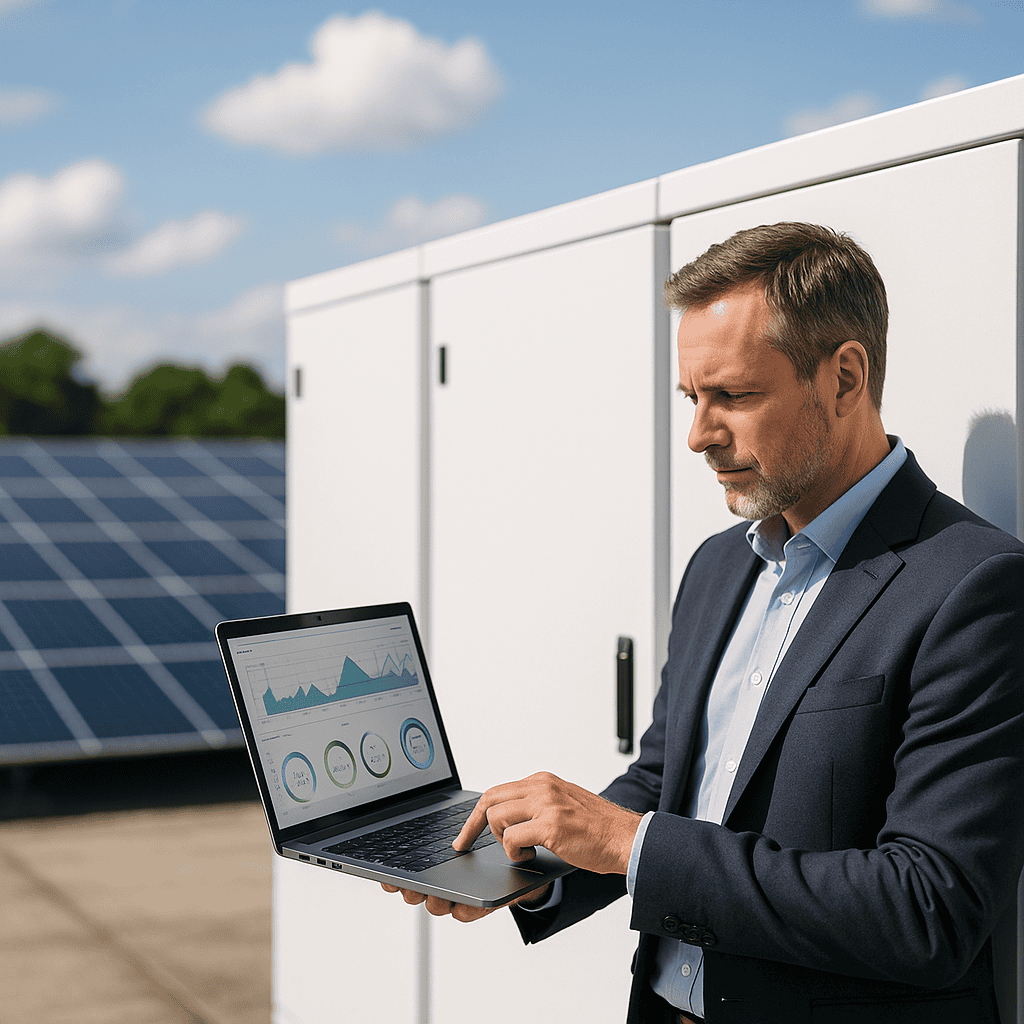
One of the primary benefits of monitoring battery storage performance is the ability to optimise energy efficiency. By analysing data on energy consumption and storage, businesses can adjust their usage patterns to ensure that energy is stored and utilised in the most efficient manner possible. This optimisation leads to reduced energy waste and can result in significant cost savings over time.
Additionally, monitoring provides critical insights into the health and performance of the battery system. This information is invaluable for scheduling maintenance and preventing potential failures before they occur. Early detection of issues allows for swift intervention, reducing the risk of costly repairs and operational downtime, thus maintaining the continuity of energy supply.
Finally, regular monitoring supports strategic decision-making for future energy investments. By understanding the performance metrics of the current system, businesses can make informed choices about upgrades or expansions, ensuring that any new investments align with their energy goals and financial constraints. This strategic approach not only maximises current system benefits but also prepares the business for future energy demands.