
What factors should businesses consider when integrating battery storage with their solar PV systems?
Integrating battery storage with solar photovoltaic (PV) systems offers businesses a powerful way to enhance energy efficiency, reduce costs, and improve sustainability. As companies increasingly look to renewable energy solutions, understanding the key factors involved in this integration becomes essential to maximise benefits and ensure seamless operation.
When considering battery storage integration, businesses should evaluate the compatibility of the battery system with existing infrastructure, the financial implications, and the specific energy needs of their operations. A thorough assessment of these elements can lead to a more informed decision-making process, ultimately resulting in a more efficient and sustainable energy solution.
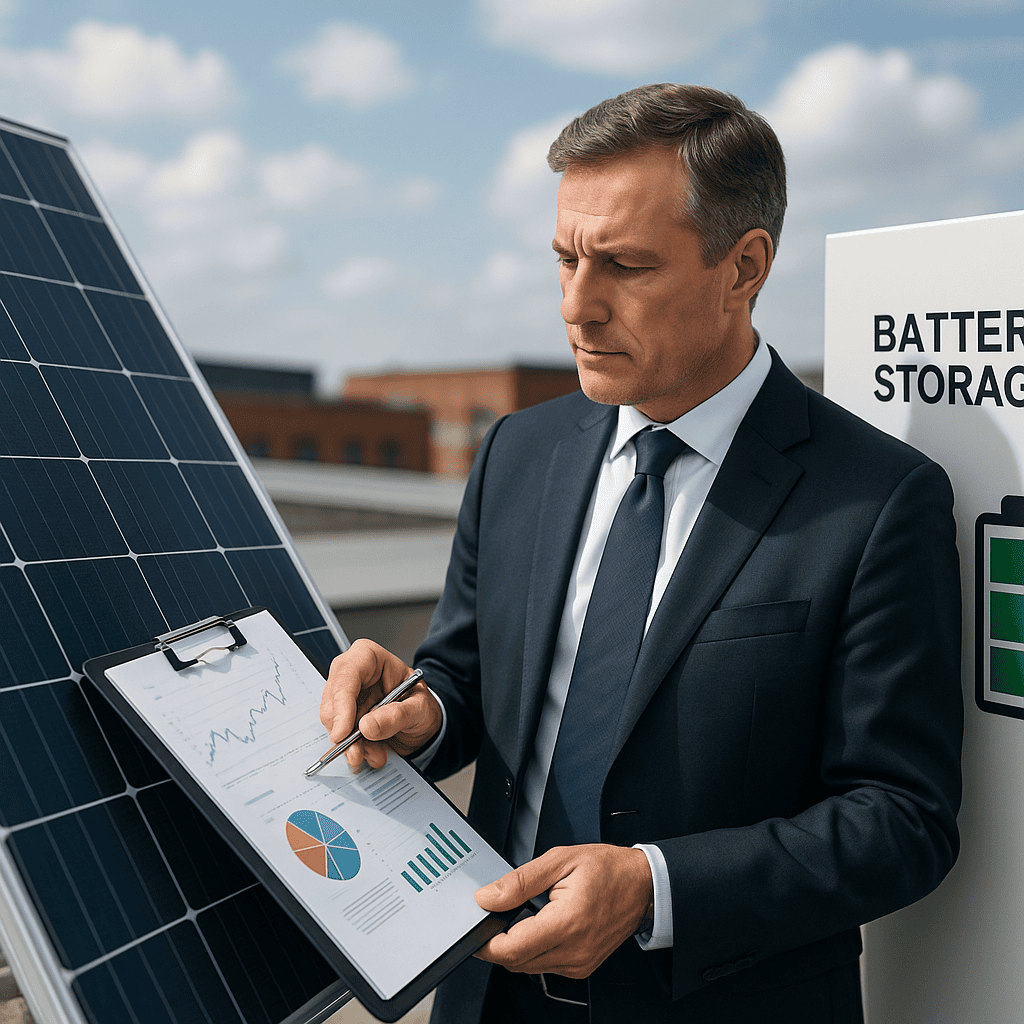
Firstly, compatibility is a crucial factor. Businesses must ensure that the chosen battery storage solution can seamlessly integrate with their existing solar PV system. This involves assessing the technical specifications of both the solar panels and the battery, ensuring they can communicate effectively and operate harmoniously.
Secondly, the financial considerations cannot be overlooked. While the initial investment in battery storage can be significant, businesses should evaluate the long-term cost savings and potential return on investment. Factors such as government incentives, energy tariffs, and the anticipated reduction in energy costs should be carefully considered to determine the financial viability of the integration.
Lastly, understanding the specific energy needs of the business is essential. This involves analysing energy consumption patterns, peak usage times, and the potential for energy storage to mitigate demand charges. By tailoring the battery storage solution to meet these unique requirements, businesses can optimise their energy usage and further enhance the sustainability of their operations.