
How do different battery technologies impact safety in commercial solar applications?
In the realm of commercial solar applications, the choice of battery technology is pivotal not only for efficiency but also for safety. Different battery technologies bring distinct safety profiles, influencing how they are integrated and managed within solar systems. Understanding these differences is crucial for businesses looking to harness solar power effectively and securely.
Safety considerations vary significantly between battery types, impacting everything from installation practices to long-term maintenance. By exploring the specific safety features and potential risks of various battery technologies, businesses can make informed decisions that align with their operational needs and safety standards.
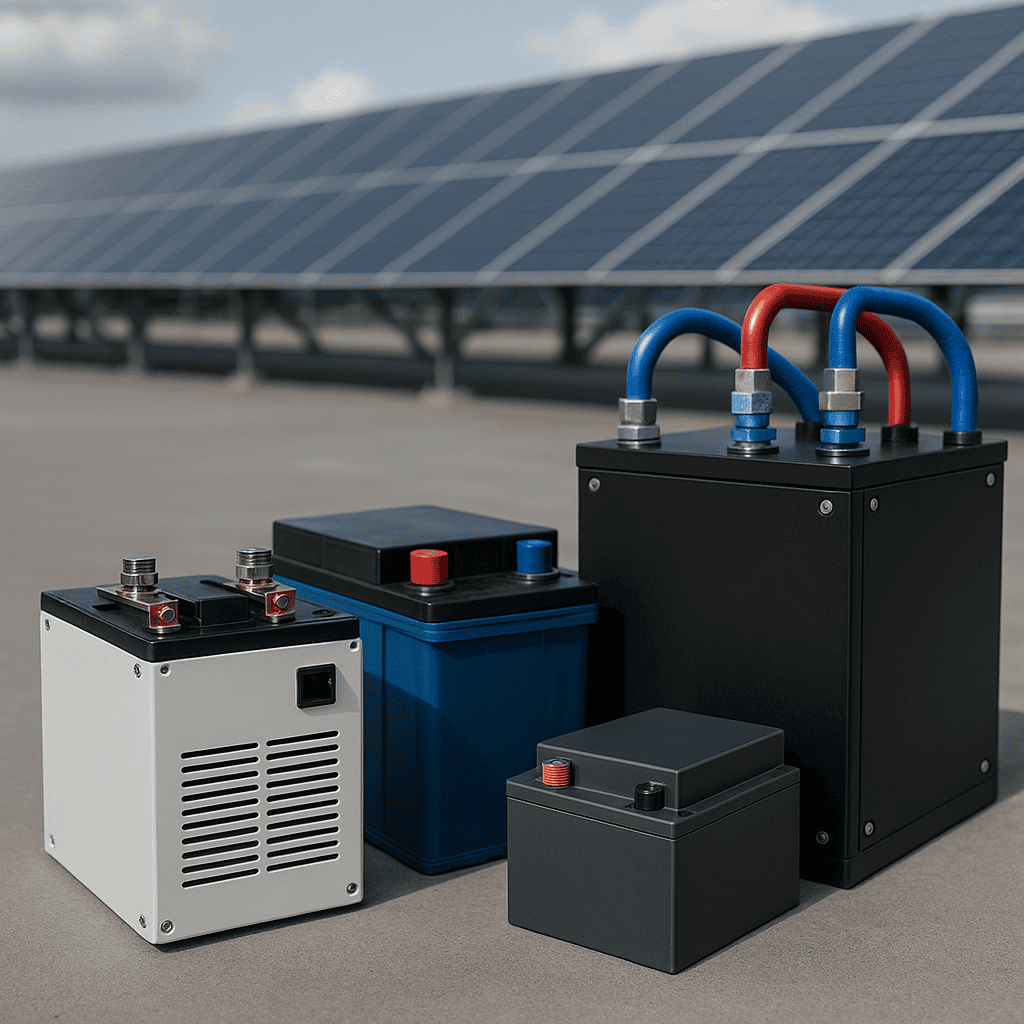
Lithium-ion batteries are widely used in commercial solar applications due to their high energy density and efficiency. However, they require careful management to prevent overheating and potential thermal runaway, a situation where the battery temperature uncontrollably rises. Implementing robust battery management systems is essential to mitigate these risks and ensure safe operation.
Lead-acid batteries, another popular choice, are known for their reliability and cost-effectiveness. They pose different safety challenges, such as the need for proper ventilation to manage gas emissions during charging. Regular maintenance is also crucial to prevent acid leakage, which can be hazardous in commercial environments.
Emerging technologies, such as solid-state and flow batteries, offer promising safety advantages. Solid-state batteries reduce the risk of leakage and fire by using solid electrolytes instead of liquid ones. Flow batteries, on the other hand, separate the energy storage and power generation processes, minimising the risk of overheating. As these technologies evolve, they may offer safer alternatives for commercial solar applications.