
What are the benefits of integrating battery storage with EV fleet charging for businesses?
Integrating battery storage with EV fleet charging offers a transformative opportunity for businesses looking to optimise their energy management strategies. By harnessing the power of stored energy, companies can ensure a more reliable and efficient charging process, which is crucial as the demand for electric vehicles continues to rise. This integration not only supports sustainability goals but also provides significant financial benefits by reducing reliance on the grid during peak hours.
Moreover, businesses can enjoy greater flexibility and control over their energy consumption. Battery storage systems allow for the storage of excess energy generated during low-demand periods, which can then be utilised when demand peaks. This approach not only stabilises energy costs but also enhances the resilience of the energy supply, ensuring that fleet operations remain uninterrupted even in the event of grid disturbances. As a result, integrating battery storage with EV fleet charging emerges as a strategic move for businesses aiming to future-proof their operations.
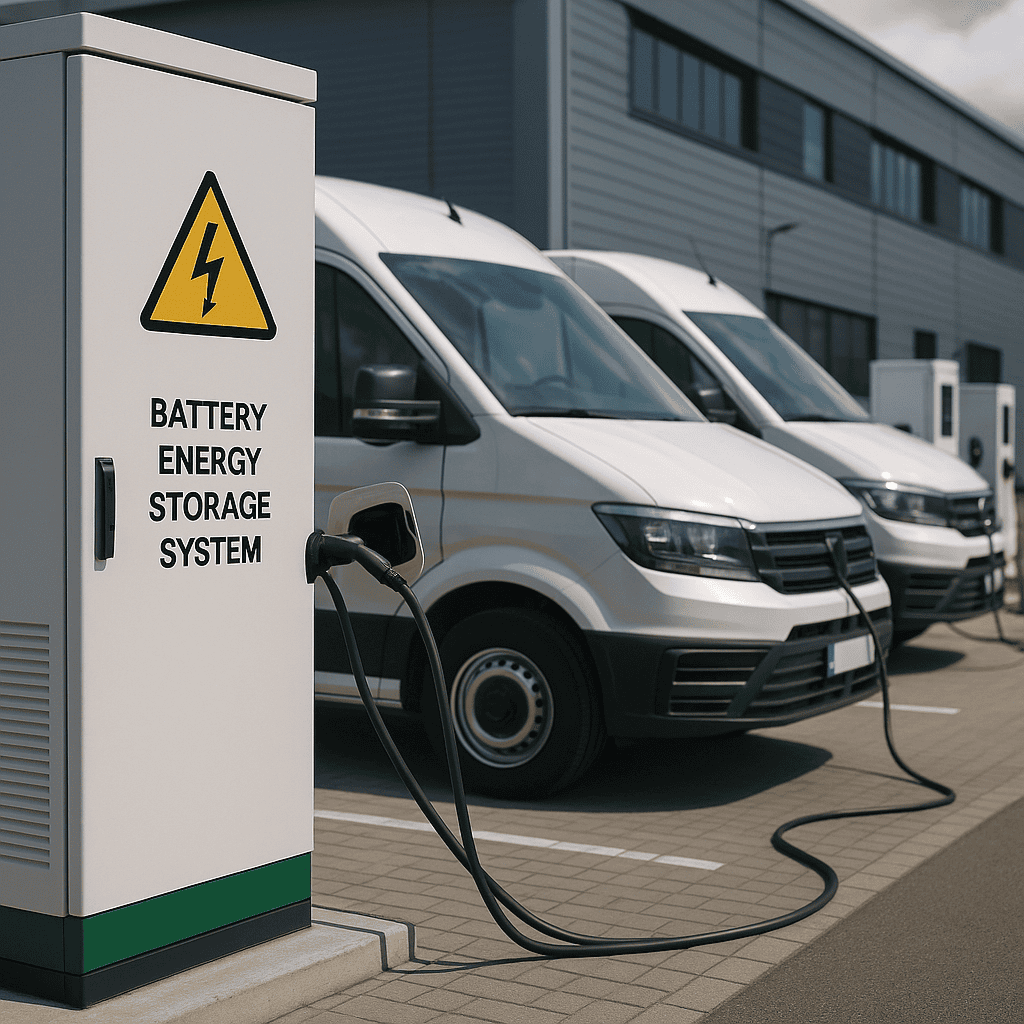
One of the primary benefits of integrating battery storage with EV fleet charging is the potential for significant cost savings. By storing energy when it is cheaper, businesses can avoid the high costs associated with peak electricity demand. This not only lowers operational expenses but also allows for more predictable energy budgeting, which is essential for long-term financial planning.
In addition to cost savings, battery storage enhances the sustainability of business operations. By optimising the use of renewable energy sources, companies can reduce their carbon footprint and demonstrate a commitment to environmental responsibility. This not only improves corporate image but also aligns with growing regulatory pressures and market expectations for sustainable practices.
Furthermore, integrating battery storage with EV fleet charging increases energy independence and security. Businesses can mitigate the risks associated with grid instability and power outages, ensuring that their operations are not adversely affected by external energy supply issues. This resilience is particularly crucial for businesses that rely heavily on their fleet for daily operations, as it ensures uninterrupted service and operational continuity.