
What factors should businesses consider when evaluating solar maintenance contract compliance?
When evaluating solar maintenance contract compliance, businesses must consider several critical factors to ensure their investment in solar energy remains beneficial. Proper compliance not only ensures the longevity and efficiency of solar systems but also safeguards against potential legal and financial repercussions. By understanding the intricacies of these contracts, businesses can better protect their interests and maximise the return on their solar investments.
A key aspect of this evaluation involves scrutinising the terms and conditions outlined in the contract. It is essential to ensure that all parties involved are meeting their obligations. Additionally, the contract should clearly define performance metrics and maintenance schedules. This clarity helps in maintaining the system’s optimal performance and anticipating any potential issues that could arise, thereby preventing disruptions to business operations.
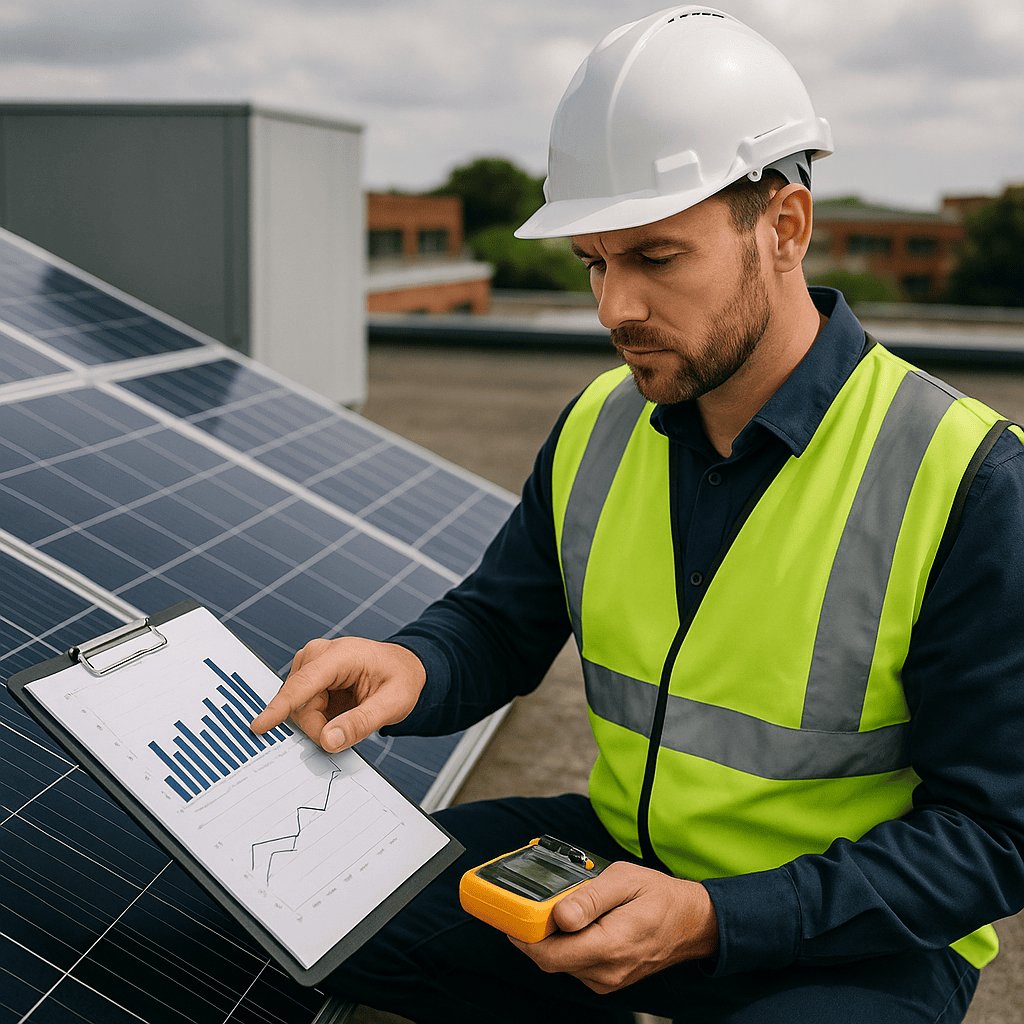
Firstly, businesses should assess whether the maintenance provider is adhering to the specified maintenance schedule. Regular inspections and timely servicing are crucial to preventing minor issues from escalating into major problems. Compliance with the agreed schedule ensures that the solar system operates at its peak efficiency, thereby maximising energy production and cost savings.
Secondly, it is important to evaluate the quality of service provided. This involves checking whether the maintenance work meets industry standards and whether the service provider uses certified technicians and genuine parts. High-quality maintenance not only extends the lifespan of the solar system but also enhances its reliability and safety, reducing the risk of unexpected failures.
Finally, businesses should review the performance data and reports provided by the maintenance provider. These reports should offer insights into the system’s operational efficiency and highlight any deviations from expected performance levels. By closely monitoring this data, businesses can ensure that the solar system is delivering the promised benefits and make informed decisions about future investments in solar technology.