
How do local fire codes affect the installation of solar panels on commercial properties?
When considering the installation of solar panels on commercial properties, understanding the nuances of local fire codes is crucial. These regulations are put in place to ensure not only the safety of the building and its occupants but also the efficiency and effectiveness of firefighting efforts in the event of a fire. Compliance with these codes is essential to avoid legal repercussions and to ensure the safety of all stakeholders involved.
Local fire codes can significantly impact the design and installation process of solar panel systems. They dictate various requirements, such as the spacing between panels and roof access pathways for firefighters. By adhering to these codes, property owners can ensure a smooth installation process while maintaining a high standard of safety.
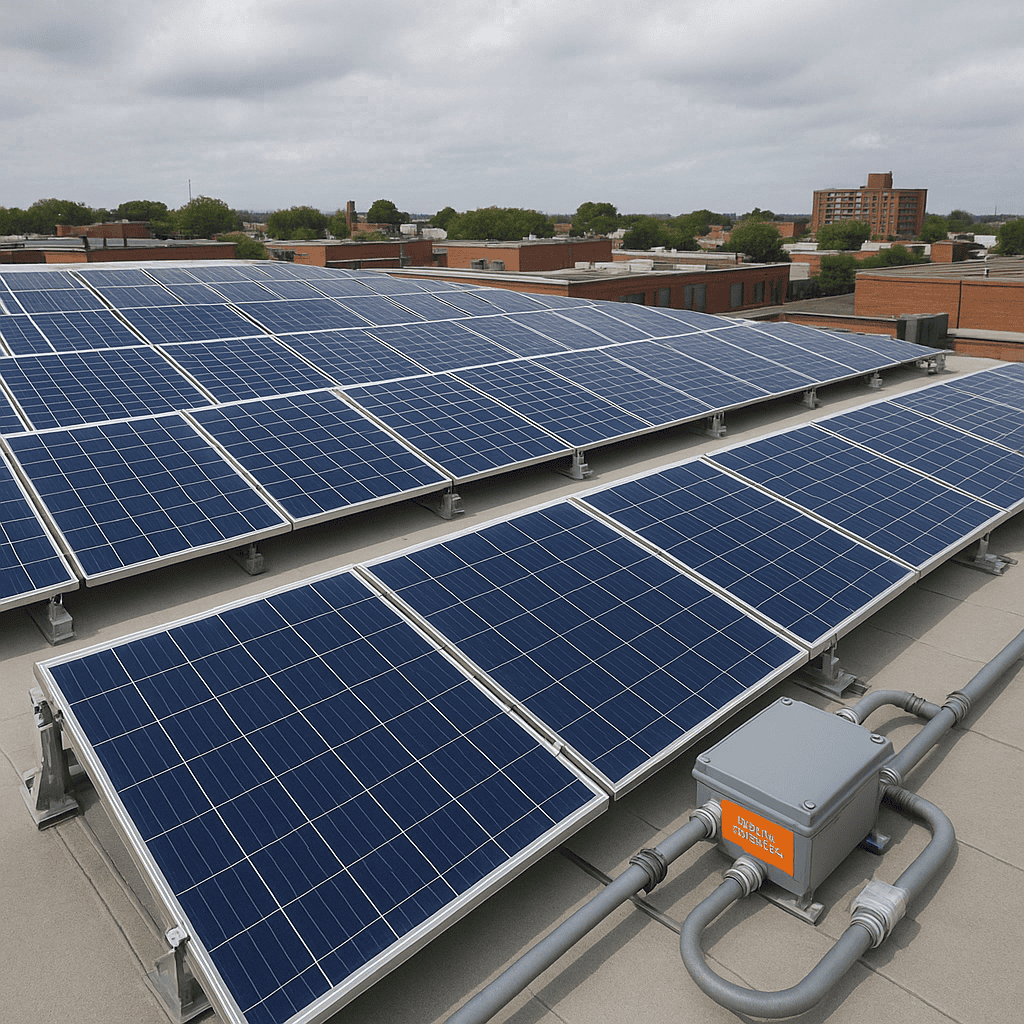
One of the primary considerations influenced by local fire codes is the layout of solar panel installations. Fire codes often require clear pathways on rooftops to facilitate firefighter movement during emergencies. These pathways ensure that firefighters can access critical areas without obstruction, which is vital for both safety and operational efficiency. As a result, installers must carefully plan the arrangement of solar panels to comply with these requirements.
In addition to layout considerations, local fire codes may specify materials and components that must be used in solar panel installations. For instance, fire-resistant materials might be mandated to reduce the risk of fire spreading across the rooftop. These materials help in maintaining the structural integrity of the building, providing an additional layer of safety for both occupants and emergency responders.
Lastly, fire codes may also impose specific requirements regarding the electrical systems associated with solar panels. Proper labelling and disconnect options are typically required to ensure that firefighters can safely and quickly de-energise the solar array in case of an emergency. By understanding and adhering to these requirements, commercial property owners can ensure compliance while prioritising safety and operational efficiency.