
What factors influence the overall cost of commercial solar systems?
The overall cost of commercial solar systems is influenced by several key factors, each playing a significant role in determining the final expenditure. Understanding these factors is crucial for businesses considering solar energy, as it can help in budgeting and making informed decisions about their investments.
Firstly, the size and capacity of the solar system are primary determinants of cost. Larger systems with higher energy outputs typically require more solar panels and equipment, leading to increased costs. Secondly, the quality of the components, including solar panels, inverters, and mounting systems, can significantly impact the price. High-quality components often come with a higher price tag but can offer better efficiency and longevity.
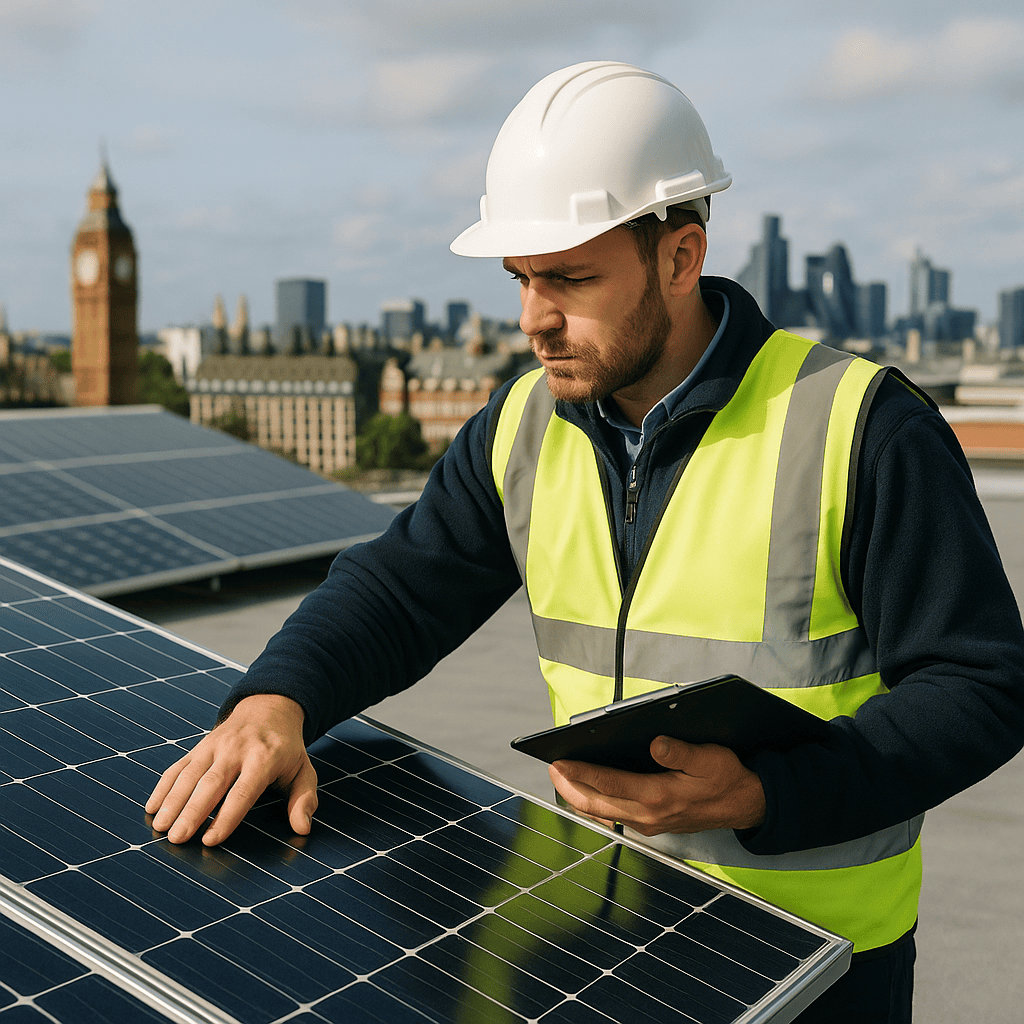
Location is another critical factor influencing the cost of commercial solar systems. Installation costs can vary depending on the geographical area, local regulations, and the complexity of the installation site. Areas with abundant sunshine may require fewer panels to achieve the desired energy output, potentially reducing costs.
Additionally, government incentives and subsidies can affect the overall cost. Many regions offer financial incentives to encourage the adoption of solar energy, which can offset upfront costs and make solar systems more affordable. It’s important for businesses to research and take advantage of any available incentives to reduce their investment costs.
Finally, the choice of installer and the level of after-sales support can also impact the overall expense. Reputable installers with extensive experience may charge more for their services, but they often provide better warranties and support, ensuring the system operates efficiently over its lifetime. Making a well-informed choice in this regard can lead to long-term savings and peace of mind.