
What are the key operations and maintenance practices for large scale commercial solar systems?
Large-scale commercial solar systems are a significant investment, designed to deliver clean energy efficiently and reliably. To ensure these systems operate at peak performance, implementing robust operations and maintenance (O&M) practices is crucial. These practices not only extend the life of the solar installations but also maximise return on investment by ensuring consistent energy output.
A well-structured O&M strategy involves regular inspections and prompt maintenance to address any issues before they escalate. By adhering to industry best practices, businesses can ensure their solar systems continue to function smoothly, reducing downtime and maintaining energy production levels. This proactive approach is essential for harnessing the full potential of solar power.
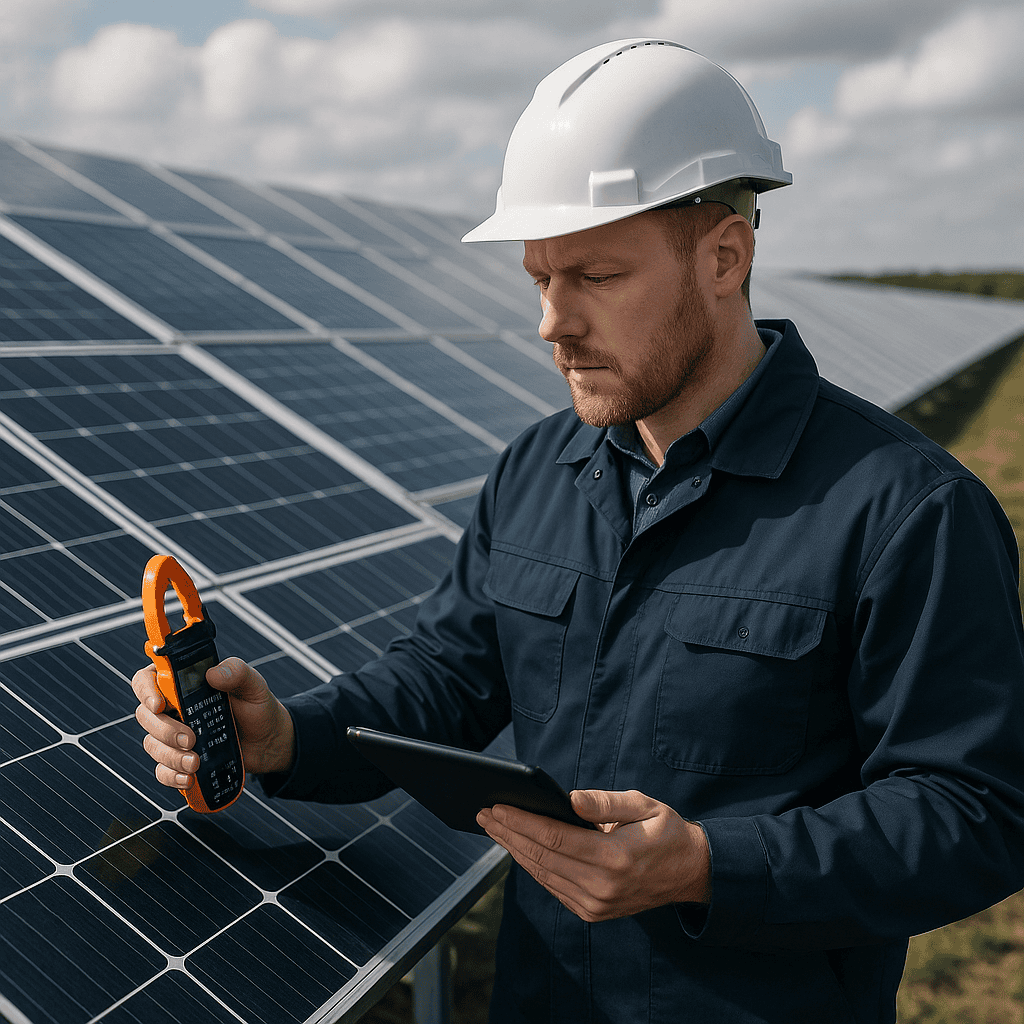
One of the key practices in maintaining large-scale commercial solar systems is conducting routine inspections. These inspections should be thorough, covering all components such as solar panels, inverters, and mounting systems. Regular checks help identify wear and tear, potential failures, and any obstructions that may impact performance. Addressing these issues early can prevent costly repairs and ensure the system remains efficient.
Another essential element of solar O&M is performance monitoring. Utilising advanced monitoring tools allows for real-time tracking of energy production and system health. This data-driven approach aids in identifying anomalies and inefficiencies quickly, enabling timely interventions. By maintaining an optimal performance level, businesses can ensure their solar systems are contributing effectively to their energy needs.
Lastly, keeping up to date with technological advancements and industry standards is vital. As solar technology evolves, incorporating new developments can enhance system efficiency and reliability. Training staff regularly and updating maintenance protocols align with the latest practices, ensuring that the solar installations remain at the forefront of energy production. This continuous improvement cycle helps businesses stay competitive and sustainable in their solar energy endeavours.