
What factors influence the export limits for commercial solar energy systems?
Export limits for commercial solar energy systems are influenced by a variety of factors that ensure the stability and efficiency of the power grid. Understanding these factors is crucial for businesses looking to optimise their solar investments and maximise their energy contributions. This page delves into the key elements that determine the export limits, providing clarity for those navigating the complexities of solar energy regulations.
From grid capacity to local infrastructure, several aspects come into play when setting export limits for large-scale and ground-mounted solar systems. By examining these factors, businesses can better plan their solar projects to align with regulatory requirements and contribute effectively to the renewable energy landscape.
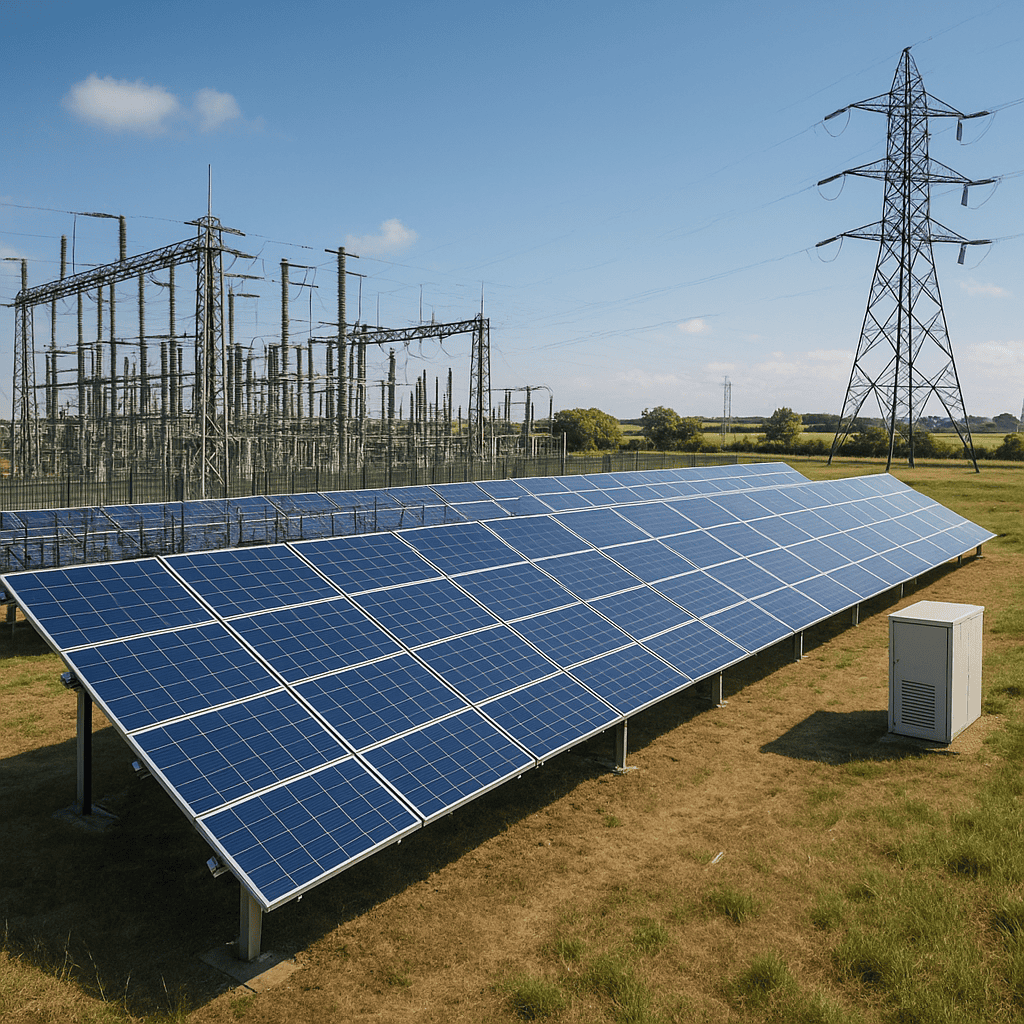
One of the primary factors affecting export limits is the capacity of the local electricity grid. The grid must be able to handle the influx of energy generated by solar systems without compromising its stability. If the local grid is already operating near its maximum capacity, export limits may be imposed to prevent overloading and ensure consistent power quality for all users.
Another significant factor is the technical specifications of the solar system itself. The size and output capacity of the solar installation can dictate how much energy can be exported. Larger systems with higher output may face stricter limits to prevent potential disruptions, whereas smaller systems might have more flexibility in their export capabilities.
Finally, regulatory policies and local government guidelines play a crucial role in setting export limits. These regulations are designed to balance the integration of renewable energy sources with the existing energy infrastructure. By adhering to these guidelines, businesses can ensure compliance and support the sustainable growth of solar energy within their communities.