
What types of battery technologies are best suited for large-scale solar applications?
In the rapidly evolving world of renewable energy, selecting the right battery technology for large-scale solar applications is crucial for optimising performance and efficiency. The sheer variety of available options can be overwhelming, but understanding the strengths and weaknesses of each technology can guide decision-makers towards the most suitable choice.
Lithium-ion batteries have emerged as a dominant force in the solar energy storage sector due to their high energy density, efficiency, and decreasing costs. However, other technologies like flow batteries and lead-acid batteries also offer unique advantages that may be better suited to specific project requirements.
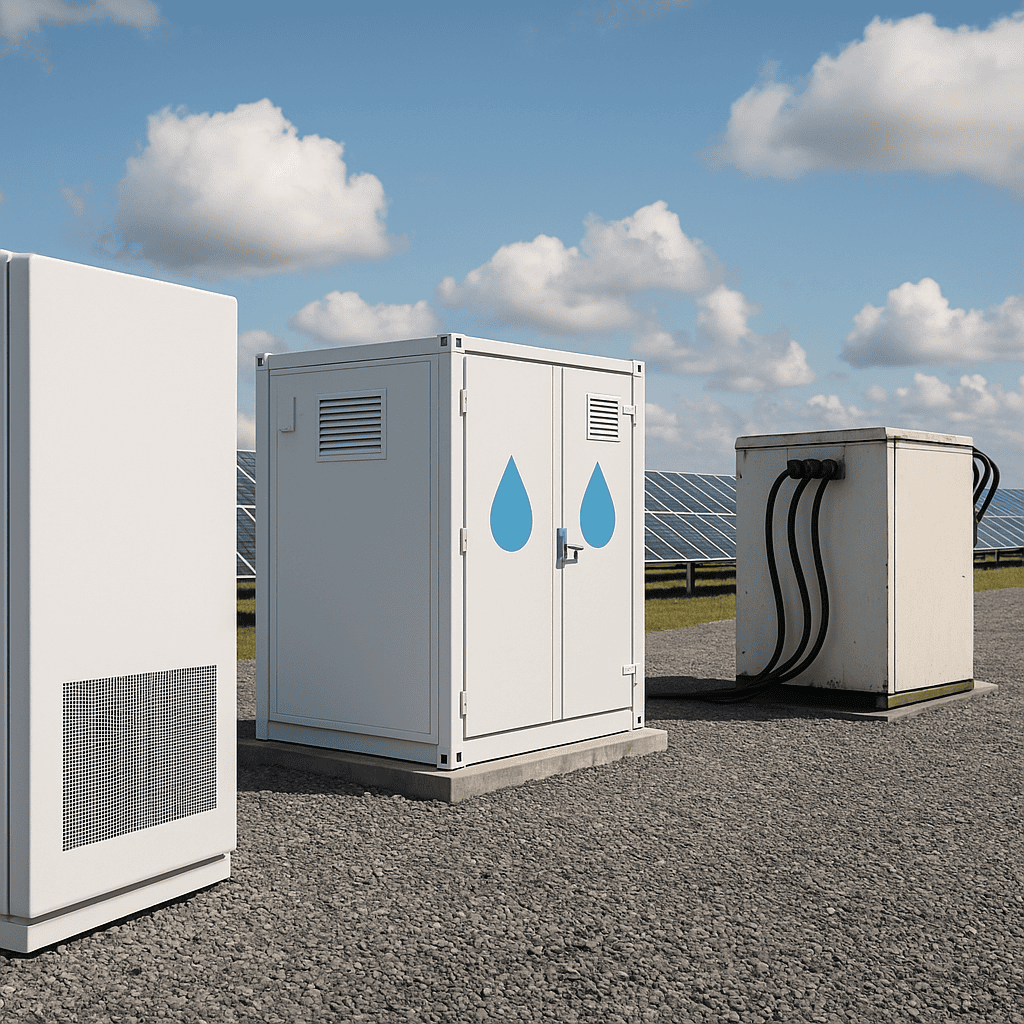
Lithium-ion batteries are widely regarded as the go-to option for many large-scale solar projects. Their high energy density allows for significant storage capacity in a relatively compact size, making them ideal for installations where space is a premium. Additionally, their efficiency rates, often exceeding 90%, ensure that energy losses are minimised during the charge and discharge cycles.
Flow batteries, on the other hand, present a compelling alternative, particularly for projects that demand long-duration energy storage. These batteries offer the advantage of scalability and can maintain consistent performance over a prolonged period. Their ability to independently size power and energy capacity makes them suitable for applications where flexibility is paramount.
Lead-acid batteries, while older technology, remain a viable option for large-scale solar applications, especially when cost is a critical factor. Their lower initial investment and established reliability make them an attractive choice for projects with less demanding energy storage requirements. However, they typically require more maintenance and have shorter lifespans compared to newer technologies.