
What factors determine land suitability for large scale commercial solar installations?
When considering land for large-scale commercial solar installations, several key factors must be evaluated to ensure optimal efficiency and sustainability. These factors include the geographic location, climate conditions, topography, and existing land use. Each of these elements plays a crucial role in determining the suitability of a site for solar energy production.
The geographic location and climate are particularly important, as areas with high solar irradiance and minimal cloud cover will naturally provide more energy potential. Furthermore, the topography of the land can affect the installation process and the efficiency of the solar panels. It is essential to conduct thorough surveys and assessments to identify the most suitable sites for solar development.
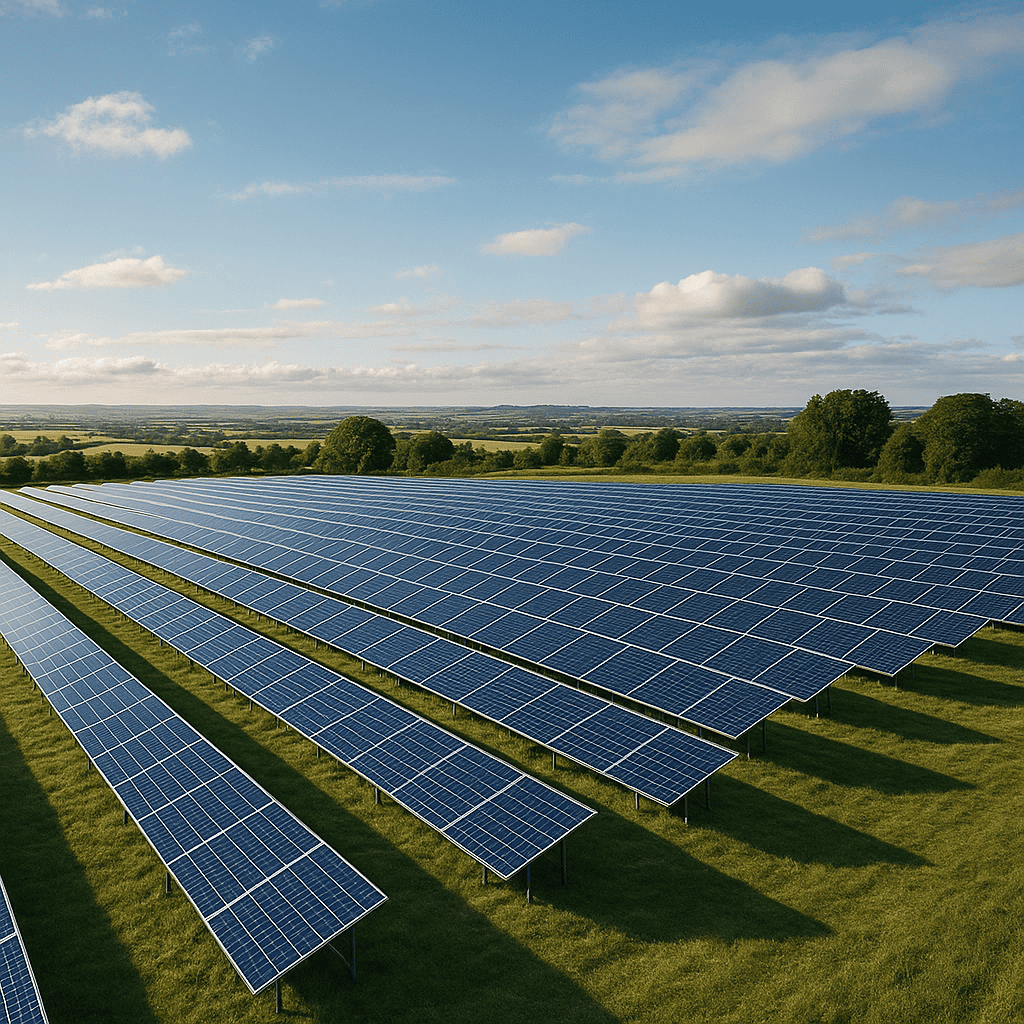
Firstly, geographic location is a primary determinant of land suitability for solar installations. Regions closer to the equator generally receive more sunlight throughout the year, enhancing the potential energy output. Additionally, areas with stable weather patterns, low cloud cover, and minimal atmospheric disturbances are ideal for maximising solar energy production.
Secondly, the topography of the land significantly influences installation feasibility. Flat or gently sloping terrains are preferable as they facilitate easier installation and maintenance of solar panels. Steep or uneven terrains may increase installation costs and reduce the overall efficiency of the solar array.
Lastly, existing land use and environmental considerations must be taken into account. Land that is already developed or heavily forested may pose challenges for solar installations, both in terms of cost and environmental impact. Conducting comprehensive surveys and environmental assessments is vital to ensure that the chosen site aligns with both economic and ecological goals.