
What factors should be considered when connecting large solar systems to the grid?
Connecting large solar systems to the grid involves a multifaceted array of considerations that ensure both efficiency and reliability. As the demand for renewable energy sources grows, understanding these factors becomes essential for seamless integration. A successful grid connection not only supports energy distribution but also enhances the overall stability of the power system.
Key considerations include technical, regulatory, and economic factors. Technical aspects encompass the compatibility of equipment and the capacity of existing infrastructure to handle additional loads. Regulatory considerations involve compliance with national and local grid codes, ensuring safety and efficiency. Economically, stakeholders must evaluate the costs associated with grid connection, including potential upgrades and ongoing maintenance.
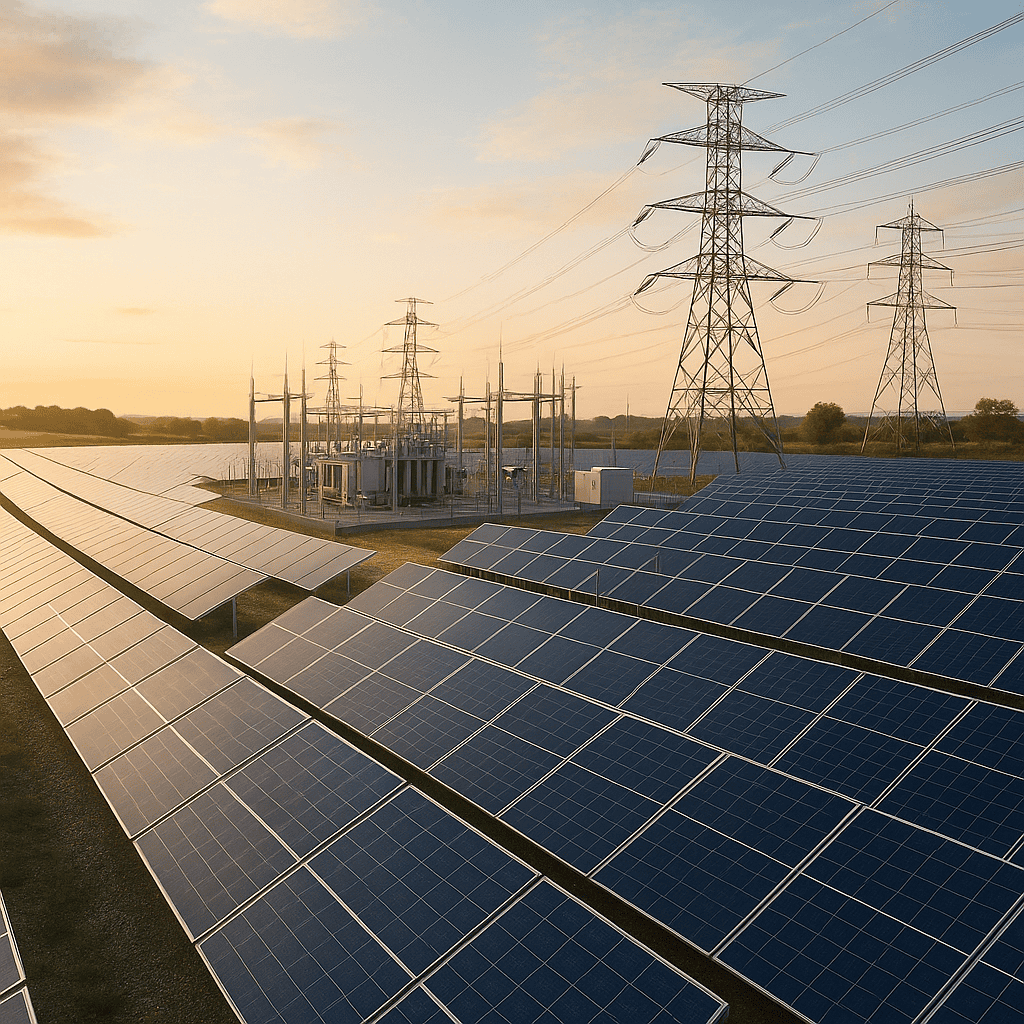
One of the primary technical considerations is the assessment of the grid’s capacity to accommodate new solar installations. This involves analysing the current load and the potential impact of additional solar power. Ensuring that the infrastructure can handle increased energy flow is crucial to prevent overloads and maintain stability.
Regulatory compliance is another critical factor. This includes adhering to grid codes, which are designed to ensure safety and reliability. These codes may dictate specific technical requirements, such as voltage and frequency standards, as well as operational protocols. Staying informed about regulatory changes is essential for maintaining compliance and avoiding potential penalties.
Economic factors should not be overlooked. The costs associated with connecting solar systems to the grid can be significant, including the initial investment and any necessary upgrades to existing infrastructure. Additionally, ongoing maintenance and operational expenses must be considered. A thorough cost-benefit analysis can help stakeholders make informed decisions, balancing the initial outlay against long-term savings and environmental benefits.