
How does the grid connection process work for ground-mounted solar installations?
Understanding the grid connection process for ground-mounted solar installations is crucial for anyone looking to implement large-scale solar energy solutions. This process involves several key steps, each designed to ensure that solar power is safely and efficiently integrated into the existing electrical grid. By familiarising yourself with these steps, you can better navigate the complexities of solar energy projects and ensure a successful connection.
The grid connection process typically begins with a feasibility study to assess the potential impact of the solar installation on the local grid. This study helps determine the best approach for connecting your solar system to the grid, taking into account factors such as location, system size, and existing grid infrastructure. From there, the process moves through design, application, and approval stages, ultimately culminating in the physical connection of your solar installation to the grid.
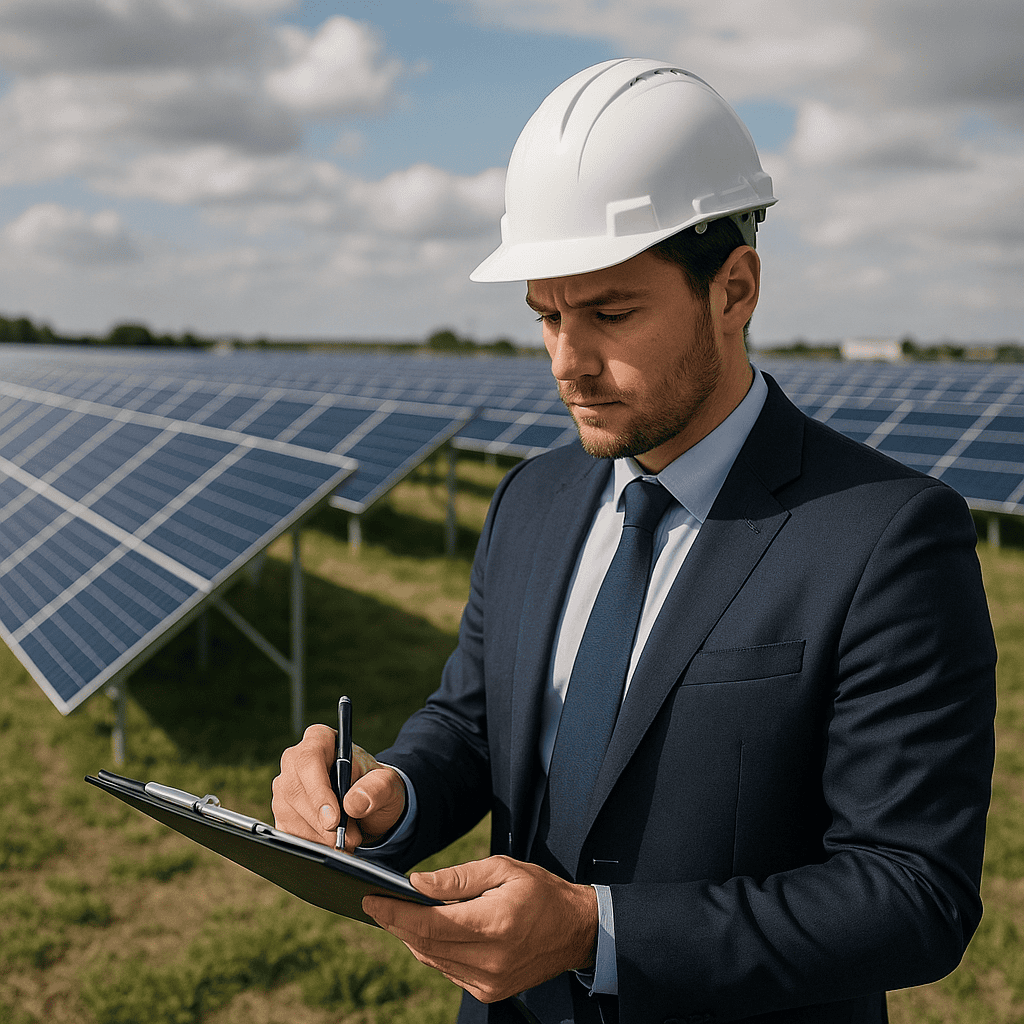
The first step in the grid connection process is conducting a feasibility study. This involves analysing the proposed site and determining the technical requirements and potential impacts on the local grid. The study helps identify any necessary upgrades or modifications to the grid infrastructure, ensuring that your solar installation can be safely and effectively integrated.
Once the feasibility study is complete, the next step is to design the connection. This involves creating detailed plans for how your solar installation will connect to the grid, considering factors such as cable routes, transformer requirements, and safety measures. The design must comply with local regulations and standards, ensuring a seamless integration of solar power into the grid.
After the design phase, you must submit an application to the relevant grid operator for approval. The application process includes providing detailed information about your solar installation and its intended connection to the grid. Once approved, the final step is the physical connection, where your solar system is linked to the grid, enabling the flow of clean, renewable energy into the electricity network.