
What incentives are available for agricultural businesses to adopt solar energy solutions?
Adopting solar energy solutions can significantly benefit agricultural businesses by reducing energy costs and enhancing sustainability. In the UK, various incentives are available to encourage farmers and agricultural enterprises to transition to solar power. These incentives not only help offset the initial investment costs but also contribute to long-term savings and environmental benefits.
Government schemes, such as the Feed-in Tariffs (FITs) and the Smart Export Guarantee (SEG), provide financial support to those generating renewable energy. Additionally, tax relief opportunities, including the Annual Investment Allowance, allow businesses to deduct the cost of solar installations from their taxable profits. By taking advantage of these incentives, agricultural businesses can make a positive impact on both their financial bottom line and the environment.
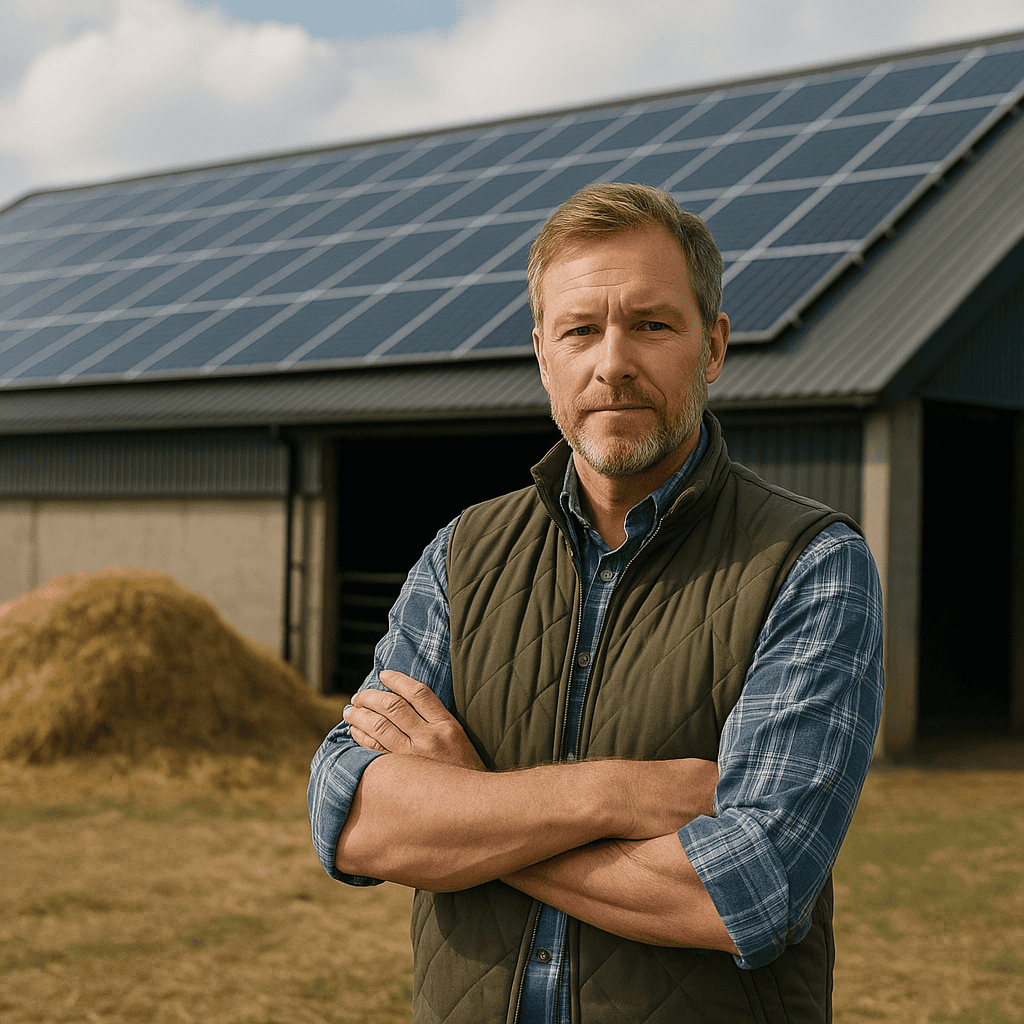
The Feed-in Tariffs (FITs) scheme, although closed to new applicants, still benefits those already registered by providing payments for the energy generated and exported back to the grid. For new installations, the Smart Export Guarantee (SEG) offers a similar benefit by paying businesses for surplus energy exported to the grid, thus providing a continuous source of revenue.
Tax incentives, such as the Annual Investment Allowance, enable agricultural businesses to claim immediate tax relief on the cost of solar installations. This can significantly reduce the upfront financial burden, making solar energy more accessible and appealing. Furthermore, Enhanced Capital Allowances (ECAs) allow businesses to claim 100% first-year allowances on qualifying energy-saving equipment, further incentivising solar adoption.
In addition to financial incentives, adopting solar energy contributes to a farm’s sustainability credentials. By reducing reliance on fossil fuels, agricultural businesses can lower their carbon footprint and promote a greener image to consumers. This not only aligns with growing environmental responsibilities but also enhances the farm’s market appeal and competitiveness.