
How can solar energy contribute to sustainability initiatives in educational facilities?
Solar energy plays a pivotal role in advancing sustainability initiatives within educational facilities. By harnessing the power of the sun, schools and colleges can significantly reduce their carbon footprint, contributing to a healthier environment. This renewable energy source not only supports ecological goals but also presents a cost-effective solution, allowing educational institutions to allocate more resources towards academic and extracurricular activities.
Implementing solar energy systems in educational facilities is a forward-thinking approach that aligns with global sustainability goals. It provides a practical demonstration of environmental stewardship, inspiring students and staff to adopt greener practices. Furthermore, it serves as an educational tool, offering students firsthand learning opportunities about renewable energy and sustainability.
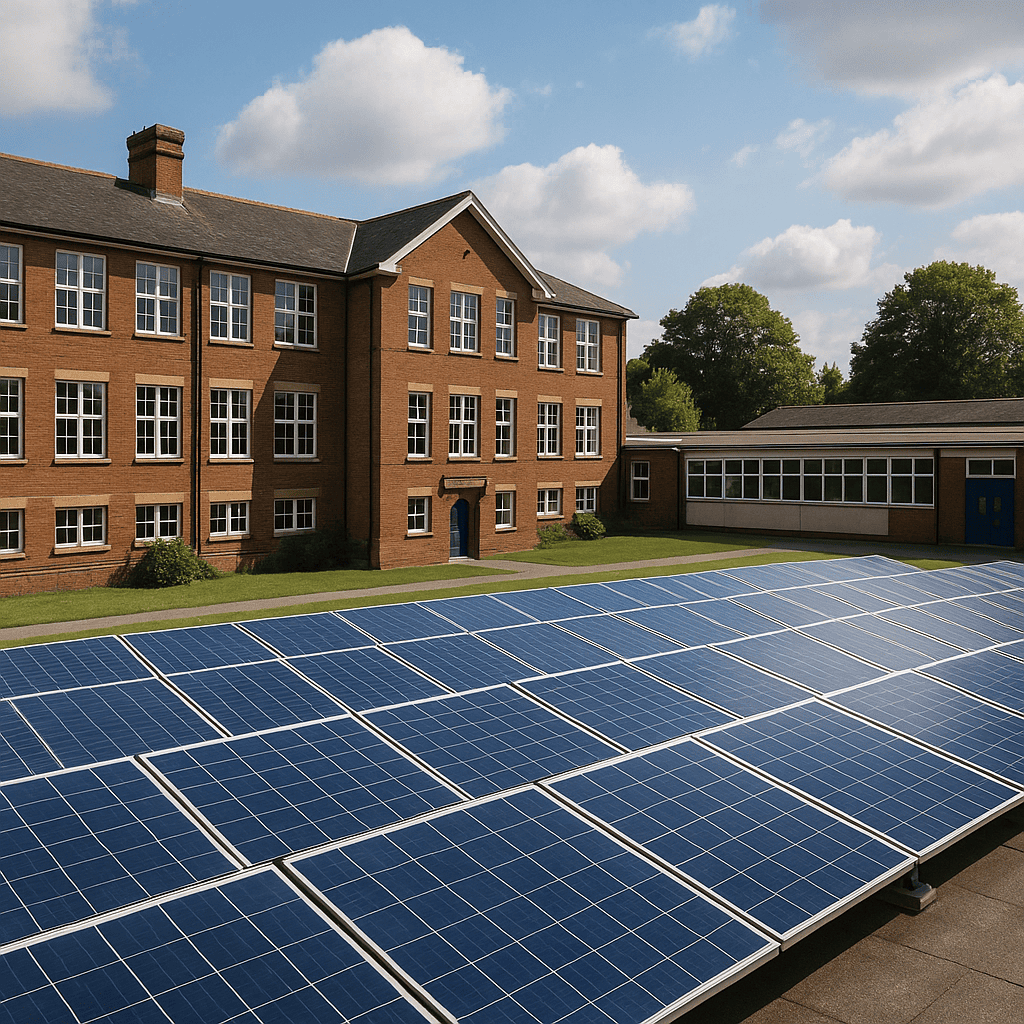
One of the primary ways solar energy contributes to sustainability in educational facilities is by reducing reliance on fossil fuels. By installing solar panels, schools can generate their own electricity, resulting in lower greenhouse gas emissions. This shift not only supports environmental objectives but also promotes energy independence, shielding institutions from fluctuating energy prices.
Additionally, the financial savings realised from reduced energy bills can be redirected towards educational programs and infrastructure improvements. These savings allow schools to enhance their learning environments without compromising on quality. Moreover, the initial investment in solar technology can often be offset by government incentives and grants, making it a financially viable option for many institutions.
Solar energy also serves as an invaluable educational resource. Schools can integrate solar technology into their curriculum, providing students with practical insights into renewable energy technologies and their benefits. This hands-on learning experience equips students with the knowledge and skills needed to tackle future environmental challenges. By incorporating solar energy, educational facilities not only contribute to sustainability but also prepare future generations to continue this vital work.