
How Solar Panels Reduce Energy Costs
Solar panels are an effective way for businesses to reduce energy costs. By harnessing renewable energy, companies can significantly lower their electricity bills while contributing to sustainability goals.
Understanding Energy Savings
Solar panels generate electricity from sunlight, reducing reliance on grid power and leading to substantial savings on energy bills over time.
Impact of System Size on Savings
The size of your solar system directly influences the amount of energy produced, with larger systems yielding greater savings by offsetting more electricity usage.
Long-Term Financial Benefits
Investing in solar panels not only reduces immediate energy costs but also provides long-term financial benefits through lower operational expenses and potential government incentives.
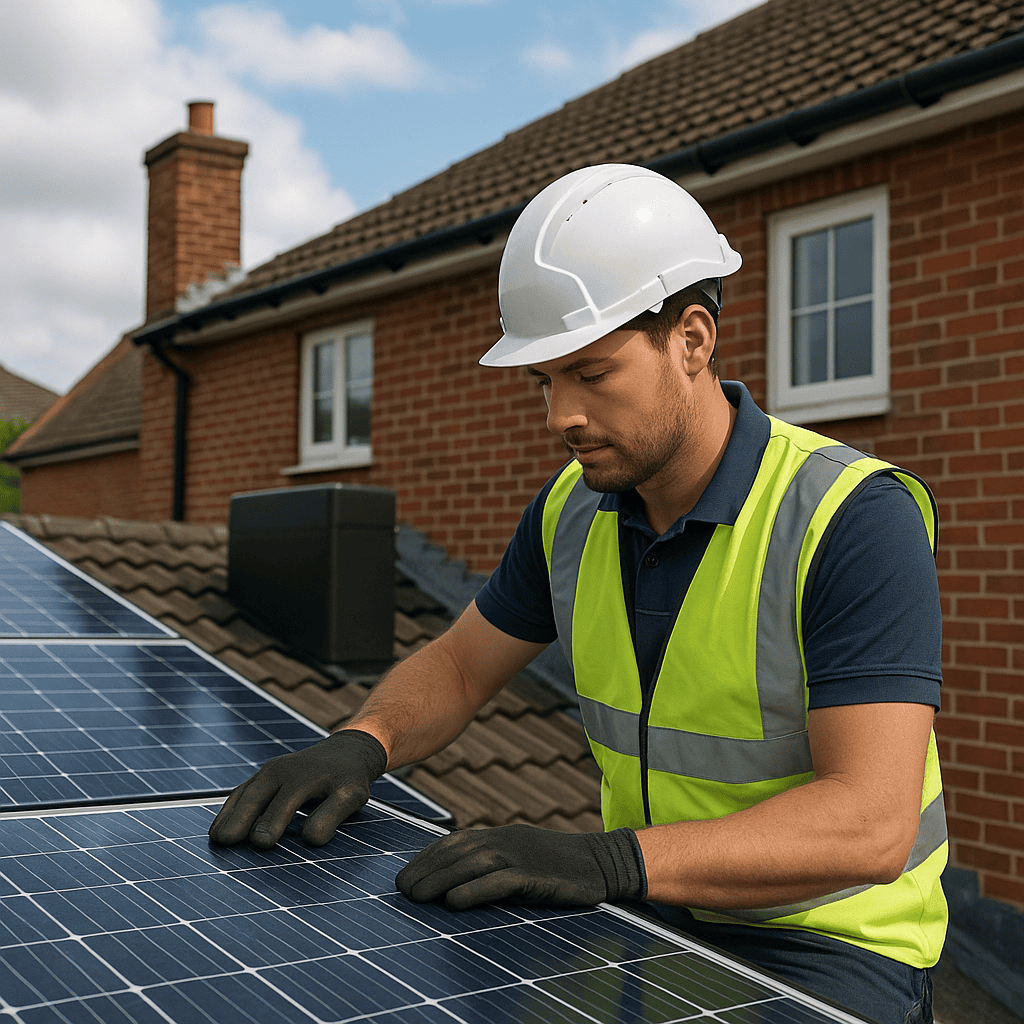
Navigating Your Solar Journey
Embarking on the path to solar energy efficiency begins with a comprehensive, free site assessment conducted by our expert team. This initial step allows us to evaluate your property’s potential and tailor a bespoke solar PV and battery storage system that meets your unique energy needs. Our commitment to high-quality, safe installations is evidenced by our listing with the Renewable Energy Consumer Code, ensuring you receive the best service possible.
Once your custom design is finalized, our certified installation team steps in to bring your solar vision to life. Every installation is carried out with meticulous attention to detail, ensuring that your system operates at peak performance from day one. By choosing our end-to-end service, you can rest assured knowing that each stage of the process is handled with the utmost professionalism and care.
After installation, we don’t just leave you to navigate the solar landscape alone. Our ongoing maintenance services ensure your system continues to function efficiently for years to come. This commitment to long-term support not only maximizes your energy savings—which can amount to £800–£1,200 annually—but also contributes to a sustainable future. With our expert guidance, transitioning to solar power becomes a seamless and rewarding experience.
Solar Sizing
The average UK home solar system is around 4 kW, enough to power a typical family’s daily needs.
Initiating Your Solar Journey
To get started with understanding solar system sizes, begin by assessing your energy needs. Review your recent energy bills to determine your average monthly consumption. This will help you identify the right system size that can effectively offset your energy usage. Typically, residential solar PV systems range from 1.5 kW to 10 kW, depending on your household’s energy demands and available roof space.
Next, consider the orientation and size of your roof, as these factors play a crucial role in solar panel efficiency. Conducting a free site assessment with a reputable solar provider can provide valuable insights tailored to your specific situation. This assessment not only evaluates your roof’s suitability but also offers a bespoke design that maximizes energy production. By gathering this information, you will be well-prepared to explore your options further and make informed decisions about your solar PV installation.
Top 3 things about Typical System Sizes
Understanding solar system sizes helps in selecting the right setup for energy needs and budget considerations.
Common system sizes
Typical residential solar systems range from 3 kW to 10 kW, depending on energy consumption and available roof space.
Energy output expectations
A 4 kW system can generate approximately 3,400 kWh annually, enough to cover the average household's electricity needs in the UK.
Factors influencing size selection
Factors such as roof orientation, shading, and energy usage patterns significantly impact the optimal size of a solar system for a property.
Top 5 Questions About Solar System Sizes
What are the typical system sizes for solar installations?
Typical solar installation sizes range from 1.5 kW for small residential systems to 4 kW or more for average homes. Larger commercial systems can exceed 10 kW, depending on energy needs and roof space available.
How do solar system sizes affect overall costs?
Solar system sizes directly influence overall costs, as larger systems typically require more panels and equipment, increasing installation and material expenses. However, they can also generate more energy, potentially leading to greater long-term savings on energy bills.
What factors influence the size of a solar energy system?
The size of a solar energy system is influenced by factors such as energy consumption, available roof space, local climate, and budget. Additionally, the orientation and angle of the installation site can affect system efficiency and output.
Are there standard sizes for residential and commercial solar systems?
Yes, residential solar systems typically range from 1.5 kW to 4 kW, while commercial systems can vary significantly, often starting from 10 kW and exceeding 100 kW, depending on energy needs and available space.
How can I calculate the ideal solar system size for my energy needs?
To determine the ideal solar system size, assess your average energy consumption in kilowatt-hours (kWh) per month. Use this figure alongside local sunlight hours and system efficiency to calculate the appropriate system size for your specific energy needs.