
How Solar Panels Reduce Energy Costs
Solar panels are a smart investment for businesses seeking to optimise energy efficiency and reduce overheads. Ground mount structures provide a reliable foundation for these systems, enhancing their benefits.
Lowering Energy Bills
By harnessing solar energy, businesses can significantly decrease their reliance on grid electricity, leading to reduced energy bills and increased savings over time.
Enhancing Energy Independence
Ground mount structures support solar panels that generate power on-site, providing greater energy independence and protecting against fluctuating energy prices in the market.
Long-Term Financial Benefits
Investing in solar panels with ground mount structures not only lowers immediate costs but also contributes to long-term financial stability through potential government incentives and reduced operational expenses.
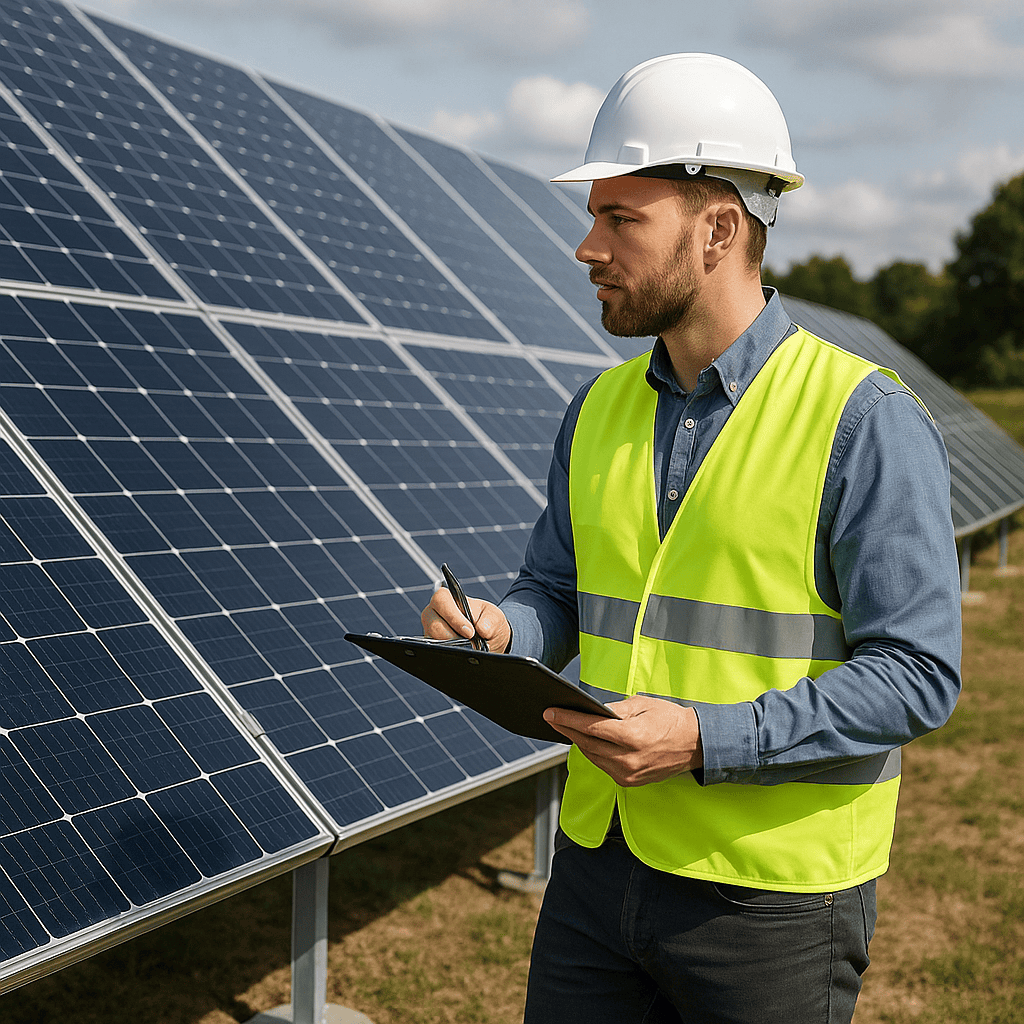
Exploring the Ground Mount Installation Process
The journey to installing ground mount structures for solar PV systems begins with a comprehensive site assessment. Our team of experts visits your location to evaluate factors such as sun exposure, soil type, and available space. This assessment is crucial to designing a system that maximizes energy generation and aligns with your specific needs.
Following the assessment, our designers craft a bespoke solar solution tailored to your site. This includes selecting the optimal placement and tilt angle for the panels to ensure maximum efficiency. We take pride in using high-quality materials and components to guarantee the longevity and performance of your solar installation.
Once the design is finalized, our certified technicians handle the installation, adhering to the highest safety standards. Post-installation, we offer ongoing maintenance services to ensure your system operates efficiently, helping you save significantly on energy bills while contributing to a sustainable future.
Solar Grounding
Did you know? Ground mount structures can maximize solar energy output by optimizing panel angles and reducing shading.
Steps to Installing Ground Mount Structures
To begin the process of installing ground mount structures for solar PV systems, the first step is to conduct a thorough site assessment. This involves evaluating your property to determine the best location for the installation, taking into account factors such as sunlight exposure, soil type, and proximity to existing electrical infrastructure. This assessment helps ensure optimal energy production and system efficiency.
Once the site has been evaluated, the next step is to design a bespoke ground mount system that aligns with your energy needs and budget. Engaging with a qualified renewable energy provider will guide you through the various mounting options, ensuring the chosen system is safe, high-quality, and compliant with relevant regulations. By following these steps, you can effectively set the groundwork for a successful solar PV installation that contributes to significant savings on energy bills. Continue reading to explore the different types of ground mount structures available.
Top 3 things about Ground Mount Structures
Ground mount structures provide a versatile and efficient solution for solar panel installations. Understanding their key aspects can help in making informed decisions.
Types of Ground Mount Systems
There are various types of ground mount systems, including fixed-tilt and tracking mounts, each designed for specific energy needs and site conditions.
Site Assessment Importance
Conducting a thorough site assessment is crucial to determine the optimal location, angle, and orientation for ground mount installations to maximise energy production.
Regulatory Considerations
Ground mount structures may require planning permission and adherence to local regulations, making it essential to consult relevant authorities before installation.
Top 5 Questions About Ground Mount Structures
What are the benefits of using ground mount structures for solar panels?
Ground mount structures provide optimal positioning for solar panels, maximising sunlight exposure and energy production. They offer flexibility in installation, are suitable for uneven terrain, and can be easily adjusted for angle and orientation, enhancing overall system efficiency.
How do ground mount systems compare in cost to roof-mounted solar installations?
Ground mount systems typically have a higher initial installation cost compared to roof-mounted solar installations due to the need for additional materials and site preparation. However, they can offer greater flexibility and potentially higher energy yields, depending on the location.
What factors influence the pricing of ground mount solar structures?
Pricing for ground mount solar structures is influenced by factors such as material quality, design complexity, installation location, system size, and any additional features required for site-specific conditions. These elements collectively determine the overall cost of the installation.
What materials are commonly used in ground mount solar systems?
Common materials for ground mount solar systems include aluminium for the frame due to its lightweight and corrosion resistance, steel for structural support, and concrete for securing the mounts. These materials ensure durability and stability in various weather conditions.
How do I choose the right ground mount system for my solar project?
Consider factors such as site conditions, panel size, and local regulations when selecting a ground mount system. Assess the terrain, wind load requirements, and desired orientation to ensure optimal performance and stability for your solar project.
