
Harnessing Solar Energy for Cost Savings
Integrating solar panels into your energy strategy can significantly reduce costs, especially when combined with time of use tariffs. Discover how solar power can enhance your savings and energy management.
Maximising Savings with Solar Panels
Solar panels generate electricity from sunlight, enabling businesses to lower their reliance on grid energy during peak pricing hours.
Optimising Time of Use Tariffs
By producing energy during the day, solar panels allow you to utilise cheaper off-peak tariffs, reducing overall energy expenses.
Enhancing Energy Independence
Solar energy provides businesses with greater control over their energy consumption, leading to more predictable and manageable costs.
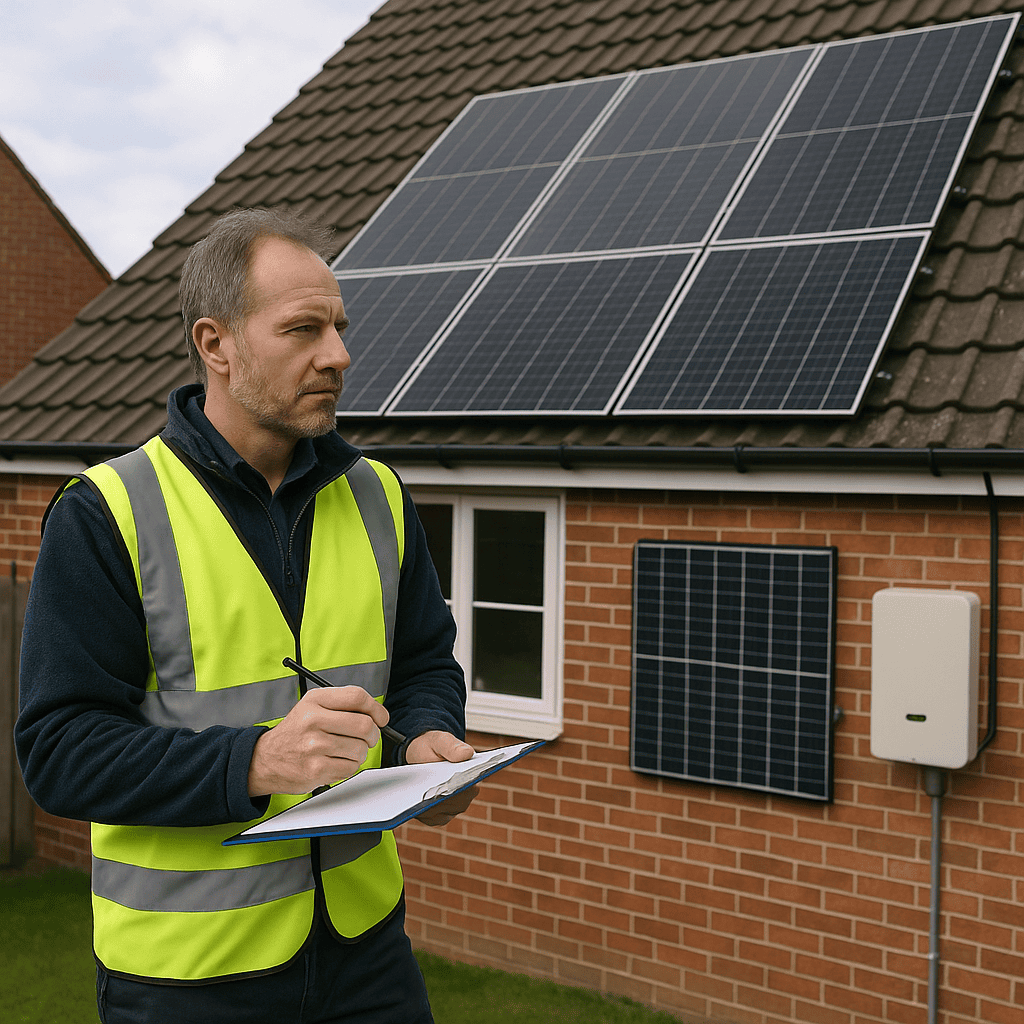
Navigating Time of Use Tariffs
Understanding the process of switching to Time of Use (TOU) tariffs begins with a comprehensive assessment of your energy needs. Our UK-based renewable energy company provides a free site assessment to evaluate your current energy consumption patterns and identify potential savings. This initial step is crucial as it lays the groundwork for a tailored approach, ensuring that the TOU tariffs align with your lifestyle and energy requirements.
Once the assessment is complete, our expert team designs a bespoke solar PV and battery storage system that maximizes your energy usage efficiency. We focus on high-quality installations that comply with the Renewable Energy Consumer Code, ensuring safety and reliability. Our certified installations are aimed at leveraging TOU tariffs efficiently, allowing homeowners to shift their energy consumption to off-peak times, resulting in substantial cost savings.
Finally, ongoing maintenance and support are provided to ensure your system operates optimally. Regular maintenance checks are conducted to address any issues promptly, ensuring the longevity and efficiency of your solar PV and battery storage system. With this end-to-end service, typical homeowners can expect to save between £800–£1,200 annually on their energy bills while contributing to a sustainable future.
Power Savings
Time of Use Tariffs can cut energy bills by up to 30% by optimizing electricity usage times.
Getting Started with Time of Use Tariffs
To begin utilizing Time of Use (TOU) tariffs effectively, first, assess your current energy consumption patterns. Review your electricity bills to identify peak usage times and consider how you can adjust your habits to consume energy during off-peak hours, when rates are lower. Simple changes, such as running appliances like dishwashers and washing machines at night, can lead to significant savings.
Next, consult with your energy provider to understand the specific TOU tariffs available in your area. Not all providers offer the same structure, so it’s crucial to find one that aligns with your lifestyle and energy needs. By understanding the nuances of these tariffs, you can optimize your energy usage and make informed decisions about your solar PV and battery storage options, further enhancing your savings. Continue reading to discover how solar energy can complement your TOU strategy.
Top 3 things about Time of Use Tariffs
Time of Use Tariffs can help consumers save money by adjusting energy costs based on peak and off-peak usage times. Understanding these tariffs is essential for effective energy management.
Variable Pricing Structure
Time of Use Tariffs feature different energy prices depending on the time of day, encouraging users to shift usage to cheaper periods for cost savings.
Peak and Off-Peak Hours
Typically, peak hours are when demand is highest, resulting in higher rates. Off-peak hours offer lower rates, making them ideal for energy-intensive tasks.
Smart Meters Required
To benefit from Time of Use Tariffs, a smart meter is usually required. This device tracks energy usage in real-time, enabling accurate billing and savings.
Top 5 Questions About Time of Use Tariffs
What are time of use tariffs and how do they impact solar energy savings?
Time of use tariffs charge different rates for electricity depending on the time of day. By using solar energy during peak hours, you can maximise savings, as you avoid higher costs and potentially benefit from exporting surplus energy back to the grid.
How can solar technology help reduce costs associated with time of use tariffs?
Solar technology can significantly lower costs linked to time of use tariffs by generating electricity during peak sunlight hours, allowing users to consume their own energy and reduce reliance on grid power when rates are highest, ultimately leading to savings.
What is the relationship between grid usage and time of use tariffs for solar energy users?
Time of use tariffs incentivise solar energy users to consume electricity during off-peak hours when grid demand is lower. This relationship allows users to maximise savings by aligning their energy usage with periods of lower costs, enhancing overall efficiency.
How do time of use tariffs affect the export rates for solar energy back to the grid?
Time of use tariffs can influence export rates by varying the payment you receive for solar energy fed back to the grid, depending on peak and off-peak demand times. Higher rates during peak periods can enhance your overall savings.
What strategies can solar users implement to maximize savings with time of use tariffs?
Solar users can maximise savings by aligning energy consumption with peak solar generation times, utilising stored energy during high-cost periods, and monitoring tariff schedules to shift usage to off-peak times, thus reducing overall energy costs effectively.