
How Solar Panels Reduce Energy Costs
Solar panels significantly lower energy costs by harnessing sunlight to generate electricity, reducing reliance on conventional energy sources and providing substantial savings for commercial operations.
Lowering Operational Expenses
By generating your own electricity, solar panels can drastically cut operational expenses, leading to improved profitability for businesses.
Maximising Energy Export
Utilising export limits effectively allows businesses to sell excess energy back to the grid, creating an additional revenue stream and enhancing overall financial performance.
Curtailment Strategies for Savings
Implementing curtailment strategies helps manage excess energy production, ensuring that businesses optimise their energy use and avoid unnecessary costs while maintaining efficiency.
Navigating Solar Export and Curtailment
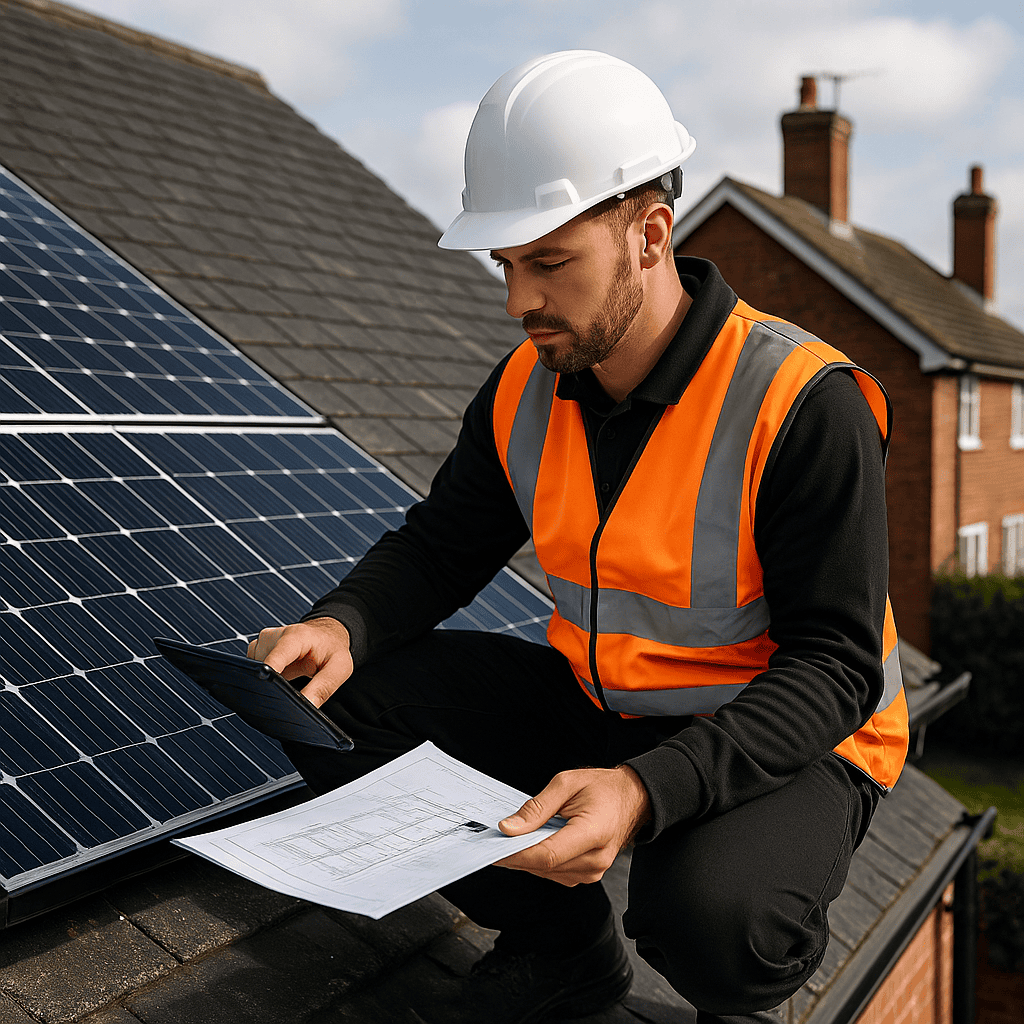
The process of maximizing solar export efficiency begins with a comprehensive site assessment. Our experts analyze your property’s solar potential, considering factors like roof orientation and shading. This assessment is crucial in designing a bespoke solar PV and battery storage system that meets your energy needs while optimizing export limits. Our tailored designs ensure you get the most out of your solar investment.
Once the design phase is complete, our certified installation team takes over. With a focus on quality and safety, they ensure every component is installed to the highest standards, adhering to industry regulations and guidelines. Our installations are not just about compliance; they are about setting a benchmark in performance and longevity, helping you save significantly on energy bills.
Ongoing maintenance is the final step in ensuring your system remains efficient and effective. Our maintenance services include regular check-ups and performance monitoring, allowing you to continue maximizing export efficiency. By partnering with us, you’re not just installing a solar system; you’re investing in a sustainable, cost-effective energy solution with long-term benefits.
Solar Efficiency
Using smart tech, solar export curtailment can boost your system’s efficiency by managing grid limits effectively.
Getting Started with Solar Export and Curtailment
To maximize your solar export efficiency, begin by assessing your energy consumption and production patterns. Understanding how much energy your solar PV system generates and how much you use in your home is crucial. This data will help you identify potential export limits and curtailment scenarios. Consider using energy monitoring tools that provide real-time insights, allowing you to adjust your usage accordingly and ensure that you are making the most of your generated energy.
Next, familiarize yourself with your energy provider’s policies regarding solar exports. Each provider has specific rules and limitations that impact how much energy you can export back to the grid. By understanding these regulations, you can better plan your energy usage and optimize your system for maximum savings. Keep reading to explore advanced strategies for enhancing your solar output and minimizing curtailment.
Top 3 things about Export Limits and Curtailment
Understanding export limits and curtailment is essential for optimising solar energy efficiency and ensuring compliance with grid regulations.
What are Export Limits?
Export limits refer to the maximum amount of electricity that can be fed back into the grid from renewable sources, often influenced by local grid capacity.
Understanding Curtailment
Curtailment occurs when energy production exceeds grid demand, leading to a temporary reduction in the amount of electricity that can be exported.
Impact on Solar Efficiency
Export limits and curtailment can significantly affect the financial returns of solar installations by reducing potential income from energy exports.
Top 5 Questions About Solar Export Limits and Curtailment
What are the export limits for solar energy systems connected to the grid?
Export limits for solar energy systems connected to the grid typically depend on the system size and local grid capacity. In the UK, most domestic systems are capped at 3.68 kW for export, ensuring grid stability and efficient energy distribution.
How does curtailment affect solar energy production and profitability?
Curtailment limits the amount of solar energy that can be exported to the grid, reducing overall production and potential revenue. This can significantly impact profitability, especially during peak generation times when demand for energy is high.
What factors influence the curtailment of solar energy exports?
Curtailment of solar energy exports is influenced by grid demand, capacity limits, weather conditions, and regulatory policies. These factors determine how much solar energy can be fed into the grid without compromising stability and reliability.
How can homeowners mitigate the impact of export limits on their solar investments?
Homeowners can optimise their solar investments by installing battery storage systems to store excess energy, utilising smart energy management systems to control usage, and considering time-of-use tariffs to maximise savings during peak export periods.
What are the financial implications of curtailment for solar energy users?
Curtailment can lead to reduced income for solar energy users, as it limits the amount of electricity they can export to the grid. This may result in lower earnings from feed-in tariffs and decreased overall return on investment.