
How Solar Panels Reduce Energy Costs
Solar panels are a sustainable investment that significantly reduce energy costs for businesses. By harnessing renewable energy, they provide long-term savings while enhancing operational efficiency and sustainability.
Lower Energy Bills
By generating electricity from sunlight, solar panels reduce reliance on the grid, leading to lower monthly energy bills for commercial operations.
Incentives and Savings
Businesses can benefit from government incentives and tax credits, further decreasing initial installation costs and enhancing overall savings on energy expenditures.
Increased Property Value
Investing in solar technology can increase property value, making it an attractive option for businesses looking to enhance their financial portfolio.
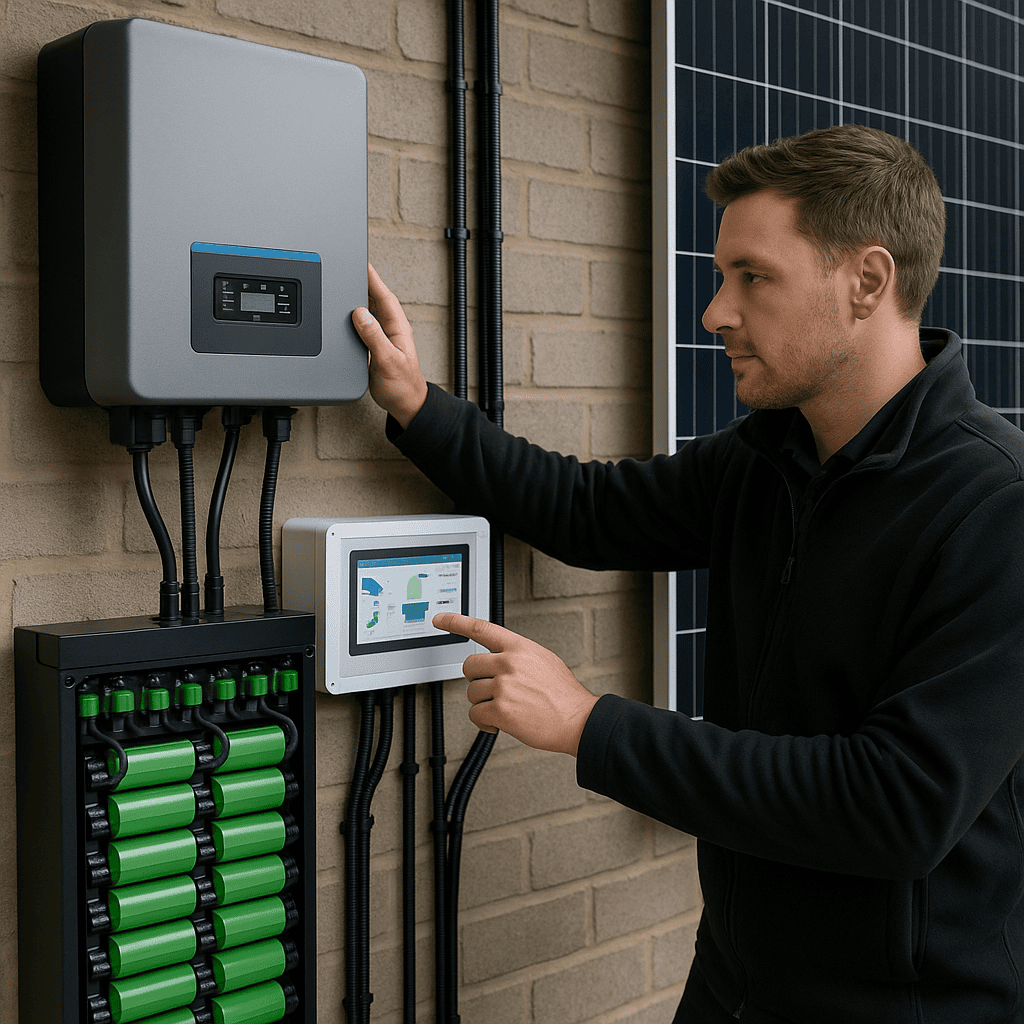
Exploring the Battery Management System Process
The process of integrating a Battery Management System (BMS) within renewable energy solutions begins with a comprehensive site assessment. Our UK-based experts evaluate your specific energy needs and the potential for solar PV and battery storage installations. This assessment allows us to design a bespoke system tailored to maximize efficiency and safety, ensuring compliance with the Renewable Energy Consumer Code.
Following the design phase, our certified team undertakes the installation of the BMS and monitoring systems. This involves precise integration with solar panels and battery storage units, guaranteeing optimal performance. Our focus on high-quality workmanship ensures that each component is installed correctly, minimizing potential issues and increasing the longevity of the system.
Post-installation, continuous monitoring and maintenance are essential to ensure the system operates at peak efficiency. Our advanced monitoring solutions provide real-time data and alerts, allowing for proactive management and swift resolution of any issues. This ongoing support helps homeowners save significantly on energy bills, with typical savings ranging from £800 to £1,200 annually.
Battery Brains
A Battery Management System (BMS) acts like a brain, optimizing performance and ensuring battery health and safety.
Getting Started with Battery Technology
To begin exploring battery technology, it’s essential to first understand your energy needs and consumption patterns. Start by evaluating how much energy your household or business uses on a daily basis, as this will help determine the appropriate battery storage capacity you require. Consider factors such as peak usage times and seasonal variations in energy demand. Gathering this information will provide a solid foundation for making informed decisions about your battery system.
Next, research the various types of battery technologies available in the market, such as lithium-ion, lead-acid, or flow batteries. Each type has its own advantages and disadvantages, so understanding these will help you select the best option for your specific circumstances. Additionally, familiarize yourself with monitoring systems and battery management solutions, as these tools can optimise performance and prolong the lifespan of your battery storage system. By taking these steps, you’ll be well-equipped to make smart choices about battery technology for sustainable energy solutions.
Top 3 things about Battery Management Systems
Battery Management Systems (BMS) are crucial for optimising battery performance, ensuring safety, and extending lifespan in renewable energy applications.
Role of Battery Management Systems
BMS monitor and control battery operations, balancing charge levels, and preventing overcharging or deep discharging, which can damage battery cells.
Importance of Monitoring Systems
Monitoring systems provide real-time data on battery health, temperature, and voltage, enabling proactive maintenance and ensuring optimal performance in energy storage solutions.
Impact on Renewable Energy Efficiency
Effective BMS and monitoring enhance the efficiency of renewable energy systems, allowing for better integration of solar and wind energy into the grid.
Top 5 Questions About Battery Management Systems
What is the role of Battery Management Systems (BMS) in solar technology?
Battery Management Systems (BMS) play a crucial role in solar technology by monitoring and managing battery performance, ensuring optimal charging and discharging, enhancing safety, and prolonging battery life, thereby improving the overall efficiency of solar energy storage systems.
How do BMS contribute to the efficiency of solar battery systems?
BMS enhance solar battery systems by optimising charge and discharge cycles, ensuring balanced cell performance, and preventing overcharging or deep discharging. This leads to improved energy efficiency, extended battery lifespan, and reliable operation in renewable energy applications.
What are the costs associated with implementing advanced monitoring systems in battery technology?
Costs for implementing advanced monitoring systems in battery technology can vary significantly based on system complexity, scale, and integration requirements. Typically, expenses include hardware, software, installation, and ongoing maintenance, which should be considered for a comprehensive budget.
How can effective monitoring improve the lifespan of solar batteries?
Effective monitoring enables real-time assessment of battery performance, optimising charge cycles and preventing over-discharge. By ensuring batteries operate within ideal parameters, it significantly enhances their lifespan and reliability, ultimately leading to improved efficiency in solar energy systems.
What features should I look for in a BMS for optimal solar energy storage?
Look for features such as cell balancing, temperature monitoring, state of charge estimation, communication protocols, and safety mechanisms. These ensure efficient energy management, prolong battery life, and enhance the overall performance of your solar energy storage system.
