
How Solar Panels Reduce Energy Costs
Solar panels offer significant savings on energy bills for businesses by harnessing renewable energy from the sun. This can lead to reduced operational costs and improved financial sustainability.
Lowering Operational Expenses
By generating your own electricity, solar panels decrease reliance on grid power, leading to lower monthly energy expenses for commercial operations.
Incentives and Savings
Many businesses benefit from government incentives for solar energy use, which can further enhance the financial advantages and offset initial installation costs.
Long-Term Financial Benefits
Investing in solar panels can result in substantial long-term savings, as energy costs continue to rise, ensuring predictable energy expenses for years to come.
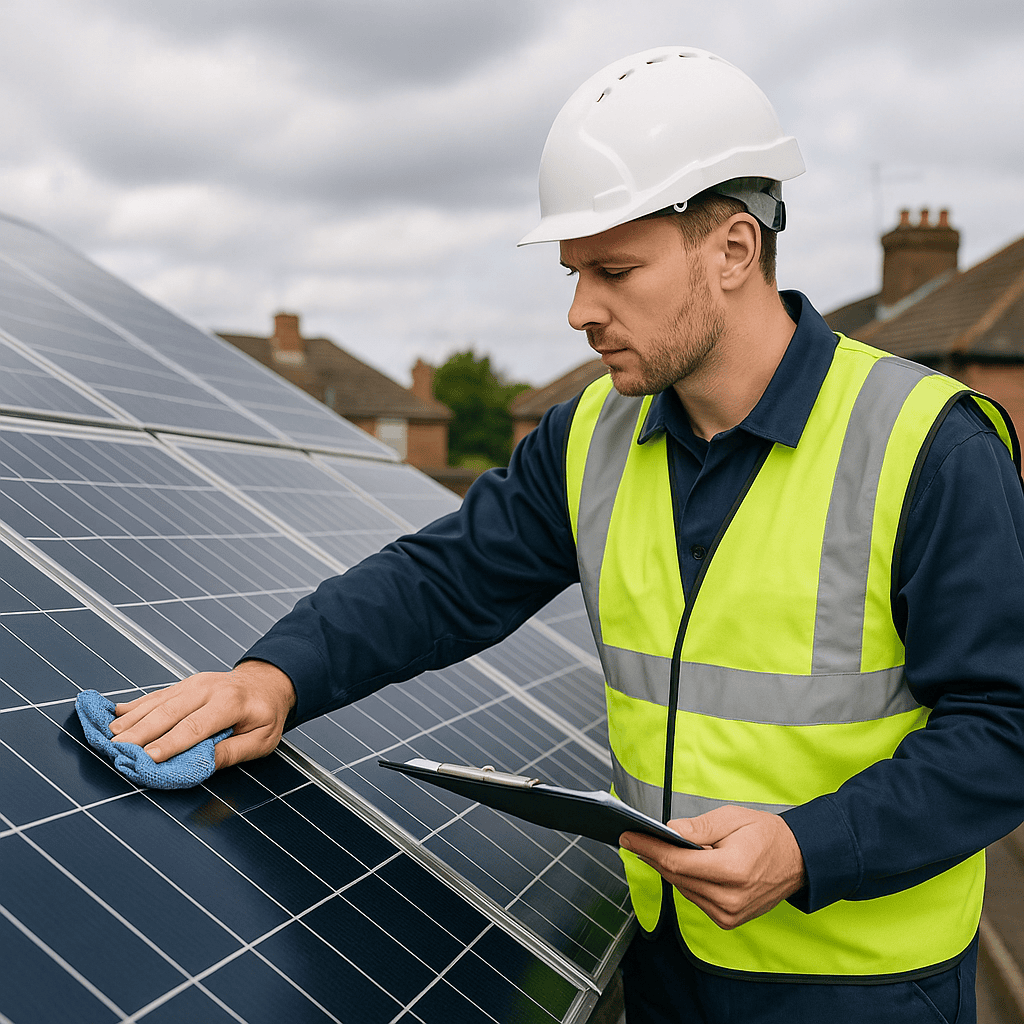
The Maintenance Process for Solar Energy Systems
The maintenance process for solar energy systems begins with a comprehensive assessment of your solar panels and related equipment. Our trained technicians conduct routine inspections to ensure that everything is operating efficiently and safely. They check for any signs of wear and tear, dirt accumulation, or potential issues that could impact performance. This proactive approach helps prevent costly repairs and prolongs the lifespan of your solar system.
Following the initial assessment, our team performs necessary cleaning and minor repairs to maintain optimal performance. Cleaning is crucial, especially in areas prone to dust or bird droppings, as these can significantly reduce energy output. Our high-quality service ensures that panels remain free from obstructions, and all components are functioning correctly, aligning with the standards set by the Renewable Energy Consumer Code.
Finally, we provide you with a detailed report outlining the condition of your solar system and any recommended actions. This transparency allows you to stay informed about your investment and make informed decisions about future maintenance needs. With our end-to-end service, you can enjoy peace of mind knowing that your solar energy system is in expert hands, helping you save £800–£1,200 annually on energy bills.
Maximize Your Solar Investment with Routine Maintenance
Regular maintenance of solar panels ensures optimal performance, prolongs system lifespan, and enhances energy savings for both homes and businesses.
Boost Energy Efficiency
Routine checks ensure your solar panels operate at peak efficiency, maximizing energy production and savings.
Extend System Lifespan
Regular maintenance helps prevent wear and tear, significantly extending the life of your solar energy system.
Reduce Repair Costs
Early detection of issues through maintenance reduces the risk of costly repairs or replacements.
Enhance Safety
Regular inspections identify potential safety hazards, ensuring your solar system remains safe and reliable.
Sustain Energy Savings
Consistent maintenance ensures continued energy savings, with typical homeowners saving £800 to £1,200 annually.
Practical Steps to Begin Solar Panel Maintenance
To effectively manage the maintenance costs associated with solar energy systems, start by familiarizing yourself with the specific requirements of your solar panels and battery storage. Regularly inspect your system for any visible issues, such as dirt accumulation or shading from nearby trees, which can impact efficiency. Document these observations to help track performance over time, ensuring you can identify any necessary maintenance or repairs early on.
Next, consider setting up a maintenance schedule that aligns with the seasons, as weather conditions can affect your system’s performance. It’s advisable to have a professional inspection at least once a year to assess the health of your solar panels and battery storage. By understanding these maintenance practices and their associated costs, you can better manage your investment and maximize the savings on your energy bills.
Top 5 Questions About Solar Panel Maintenance Costs
What factors influence solar energy maintenance costs?
Maintenance costs for solar energy systems are influenced by factors such as system size, type of equipment, location, frequency of servicing, and any necessary repairs. Additionally, local labour rates and the complexity of the installation can also affect overall expenses.
How often should solar energy systems be maintained to minimize costs?
Routine maintenance for solar energy systems is recommended at least once a year. Regular inspections and cleaning help identify issues early, ensuring optimal performance and minimising long-term costs associated with repairs and inefficiencies.
What are the average maintenance costs for solar energy systems?
Average maintenance costs for solar energy systems in the UK typically range from £100 to £300 annually. This includes inspections, cleaning, and minor repairs, ensuring optimal performance and longevity of the solar panels.
Are there any hidden costs associated with solar energy maintenance?
While routine maintenance costs are generally straightforward, potential hidden costs may arise from unexpected repairs, replacement parts, or additional services not covered in standard maintenance agreements. It's advisable to review your contract and consult with your provider for clarity.
How can regular maintenance reduce long-term solar energy costs?
Regular maintenance ensures solar panels operate efficiently, preventing costly repairs and optimising energy output. By addressing minor issues promptly, you can extend the system's lifespan and maximise savings on energy bills, ultimately reducing long-term solar energy costs.