
Top 3 things about Planning Permission for Homes
Understanding planning permission and solar grants is essential for homeowners considering solar energy installations. Here are three key points to keep in mind.
Planning Permission Requirements
Most residential solar installations do not require planning permission, but there are exceptions, especially for listed buildings or conservation areas. Always check local regulations first.
Available Solar Grants
Various government grants and incentives exist to support residential solar installations, helping to reduce upfront costs. These can vary by region and eligibility criteria.
Impact on Property Value
Installing solar panels can enhance property value, making homes more attractive to potential buyers. However, this can depend on local market conditions and buyer preferences.
Getting Started with Solar Grants for Homes
To begin your journey towards installing solar panels at home, the first step is to assess your property’s suitability for solar energy. This involves considering factors such as roof orientation, shading, and available space. You can obtain a free site assessment from a certified renewable energy company, which will provide you with a tailored design and an estimate of potential energy savings.
Next, familiarize yourself with the planning permission requirements in your area. While many residential solar installations do not require formal planning permission, it’s essential to check local regulations to ensure compliance. Additionally, explore available solar grants and funding schemes that can help offset installation costs. Various government initiatives and local programs may provide financial support, making solar energy more accessible for homeowners. Keep researching and stay informed about these opportunities to maximize your investment in renewable energy.
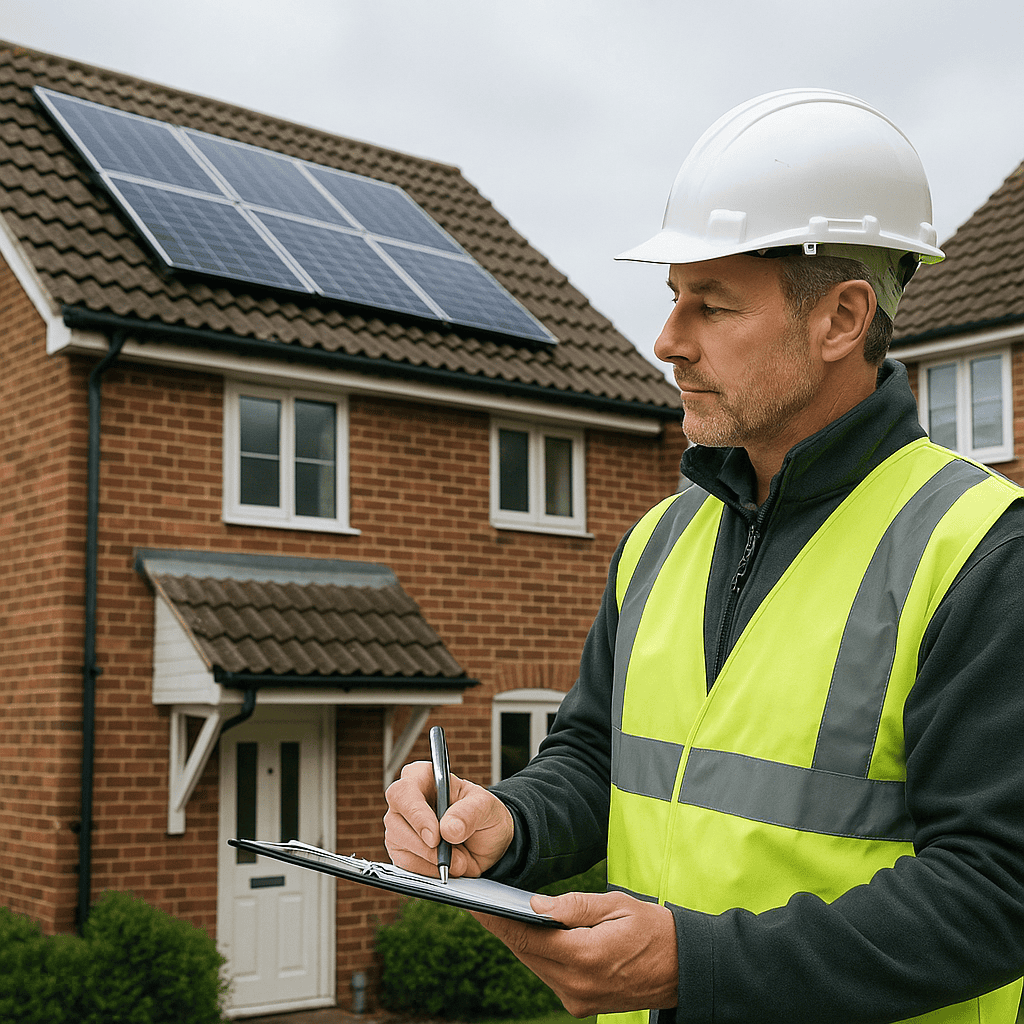
Navigating the Solar Installation Journey
The process begins with a free site assessment conducted by our expert team to evaluate your home’s suitability for solar panels. During this visit, we assess factors like roof orientation, shading, and structural integrity to ensure optimal solar performance. After the assessment, we design a bespoke solar solution tailored to your energy needs and preferences. Once you approve the design, we move forward with all necessary planning permissions and funding applications, ensuring a smooth, hassle-free experience.
Our certified installers then handle the installation with precision, adhering to the highest safety and quality standards. As members of the Renewable Energy Consumer Code, we guarantee that each step meets regulatory compliance and industry best practices. After installation, we conduct rigorous testing to ensure everything functions optimally.
Post-installation, we offer ongoing maintenance services, ensuring your solar system operates efficiently for years to come. With our comprehensive support, homeowners typically see savings of £800–£1,200 annually on energy bills.
Top 5 Questions About Planning Permission for Solar Installations
What are the planning permission requirements for installing residential solar panels?
Most residential solar panel installations do not require planning permission if they meet specific criteria, such as size and placement. However, properties in conservation areas or listed buildings may have additional restrictions, so it's essential to check local regulations.
How can homeowners navigate the planning permission process for solar energy systems?
Homeowners should first check local planning regulations, as many solar installations are permitted developments. Consulting with local authorities can clarify requirements. Engaging with a qualified installer can also help ensure compliance and streamline the application process if needed.
Are there any grants or schemes available to assist with planning permission for solar installations?
While there are no specific grants for planning permission itself, various funding schemes and incentives exist to support solar installations. It's advisable to check local council resources and government websites for available financial assistance related to solar projects.
What factors influence the need for planning permission when installing solar panels on homes?
The need for planning permission when installing solar panels on homes is influenced by factors such as the size and type of installation, location, and whether the property is listed or in a conservation area. Always check local regulations.
How does local legislation impact the planning permission process for residential solar projects?
Local legislation dictates the requirements for planning permission, which can vary by council. Regulations may include restrictions on installation size, appearance, and location, impacting the approval process for residential solar projects. Always check with your local authority for specific guidelines.