
Practical Steps for Ensuring Safety in Solar Installations
To effectively ensure health and safety during solar installations, begin by familiarizing yourself with the relevant industry standards and regulations. In the UK, this includes adhering to guidelines set forth by the Health and Safety Executive (HSE) and the Renewable Energy Consumer Code. Understanding these frameworks will help you identify the necessary safety measures, such as proper site assessments, risk assessments, and compliance with electrical safety standards.
Next, prioritize training and certification for your installation team. Ensure that all personnel involved in the installation process have received proper training in safety protocols, equipment handling, and emergency procedures. Regular safety drills and continued education on evolving regulations will reinforce a culture of safety within your organization. By establishing these foundational practices, you’ll not only protect your team but also enhance the quality and reliability of your solar installations.
Unlocking the Benefits of Rigorous Health and Safety Compliance
Adhering to health and safety standards during solar installations not only safeguards workers but also enhances business credibility and operational efficiency.
Reduced Liability Risks
Complying with safety standards minimizes potential legal issues and financial liabilities, protecting your business from costly litigation.
Enhanced Worker Productivity
A safe working environment boosts employee morale and efficiency, leading to faster project completion and reduced downtime.
Improved Client Trust
Demonstrating commitment to safety builds client confidence, potentially leading to repeat business and positive referrals.
Regulatory Compliance Assurance
Adhering to industry standards ensures compliance with regulatory requirements, avoiding fines and maintaining operational licenses.
Long-term Cost Savings
Investing in safety reduces accident-related expenses and equipment damage, resulting in substantial long-term cost savings.
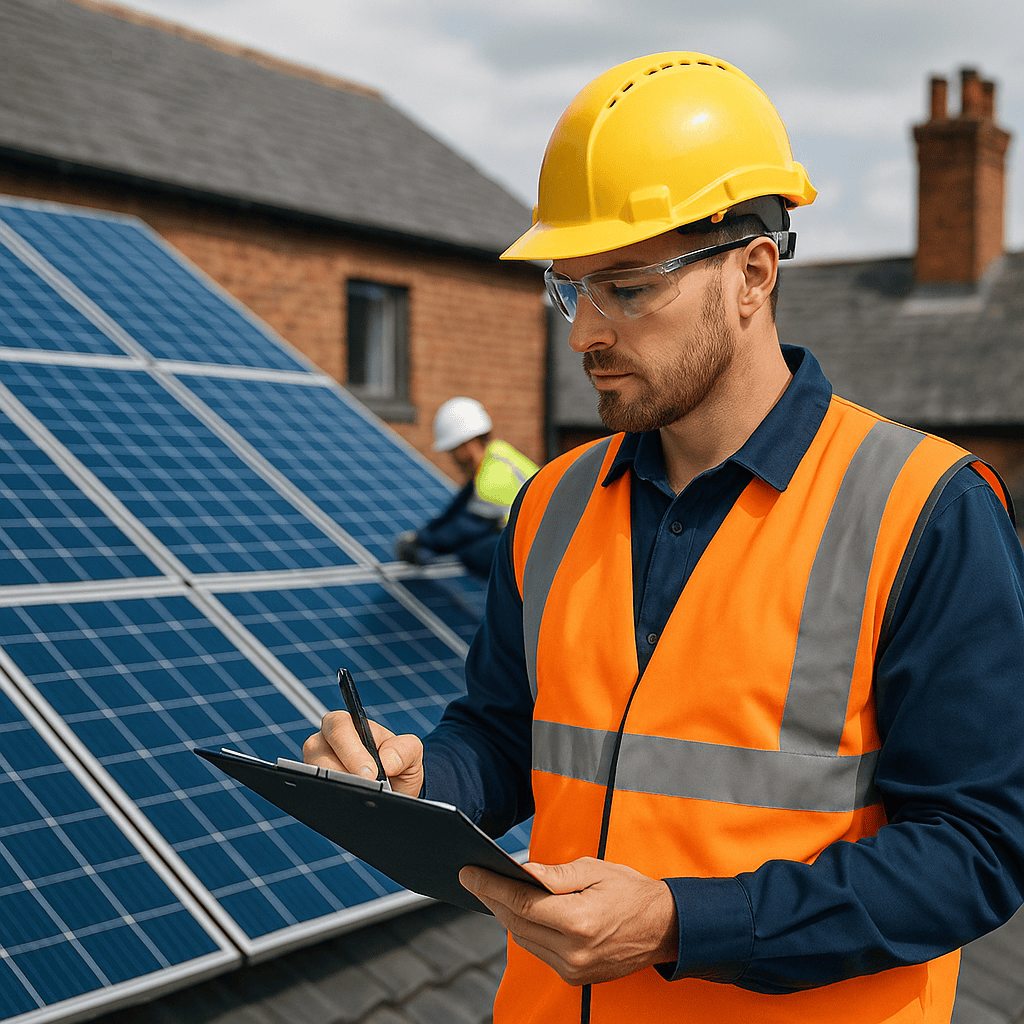
Navigating the Solar Installation Process
The process of ensuring safety during solar installations begins with a comprehensive site assessment. This involves evaluating the structural integrity of the building, potential shading issues, and local climate conditions. Identifying these factors helps in designing a system that maximizes efficiency while maintaining safety standards.
Next, it’s crucial to comply with industry regulations and standards. Installers must be familiar with local codes, obtain necessary permits, and follow guidelines set by industry authorities. This step ensures that the installed systems are both effective and safe for long-term use, minimizing risks associated with solar power systems.
Finally, ongoing training and certification for installation teams are essential. By staying updated with the latest safety protocols and technological advancements, installers can prevent accidents and ensure the system’s optimal performance. Continuous education fosters a culture of safety, reducing potential hazards and maintaining compliance throughout the lifespan of the solar installation.
Solar Safety
Solar installations have one of the lowest injury rates, making them safer than many traditional construction jobs.
Top 5 Questions About Health and Safety in Solar Installations
What are the key health and safety standards for commercial solar installations?
Key health and safety standards for commercial solar installations include adherence to the Health and Safety at Work Act, compliance with the Electricity at Work Regulations, and following the relevant British Standards for installation and maintenance to ensure worker and public safety.
How can compliance with health and safety regulations impact solar installation projects?
Compliance with health and safety regulations ensures a safer work environment, reduces the risk of accidents, and enhances project efficiency. Adhering to these standards also fosters trust with clients and stakeholders, ultimately contributing to the project's success and sustainability.
What safety measures should be implemented during the installation of commercial solar panels?
During commercial solar panel installations, implement measures such as risk assessments, proper training for workers, use of personal protective equipment (PPE), adherence to electrical safety standards, and ensuring safe access to installation sites to mitigate hazards effectively.
How do local regulations affect health and safety practices in solar panel installations?
Local regulations dictate specific health and safety standards for solar panel installations, ensuring compliance with national laws and guidelines. Adhering to these regulations minimises risks, protects workers, and promotes safe practices throughout the installation process.
What are the common health and safety risks associated with commercial solar installations?
Common health and safety risks in commercial solar installations include falls from heights, electrical hazards, exposure to hazardous materials, and equipment-related injuries. Proper training, risk assessments, and adherence to safety regulations are essential to mitigate these risks effectively.